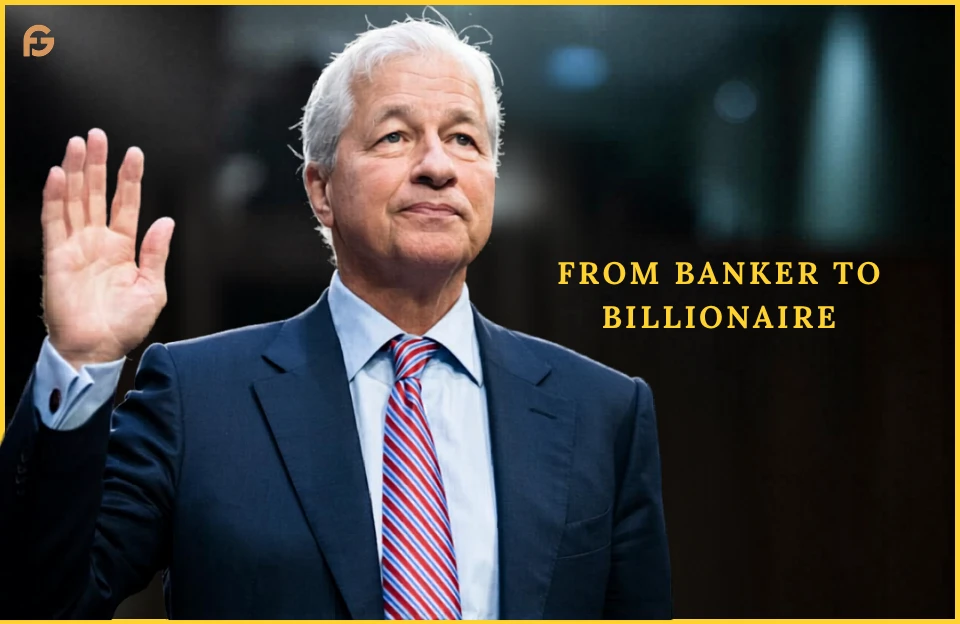
Jamie Dimon didn’t walk into the CEO role at America’s biggest bank. He was fired first by his own mentor, at 42, after spending 16 years helping build Citigroup from the ground up. Most people recognize his name as the chairman of JPMorgan Chase, but the more useful story is what happened in between: how he rebuilt from nothing, mastered Wall Street leadership when most would have walked away, and turned a failing bank into a $3.5 billion profit machine in just three years. His Jamie Dimon net worth in 2026 sits at an estimated $2.8 to $3 billion, and he did it without ever founding a company.
That last part is rare. Becoming a billionaire without founding a company puts him in a category shared by very few people in history. He’s proof that executive career comebacks are not only possible but can produce outcomes more remarkable than the original trajectory. His approach to leadership, risk, and long-term thinking is worth studying closely. The lessons behind the wealth are what actually matter here.
The Numbers, Briefly
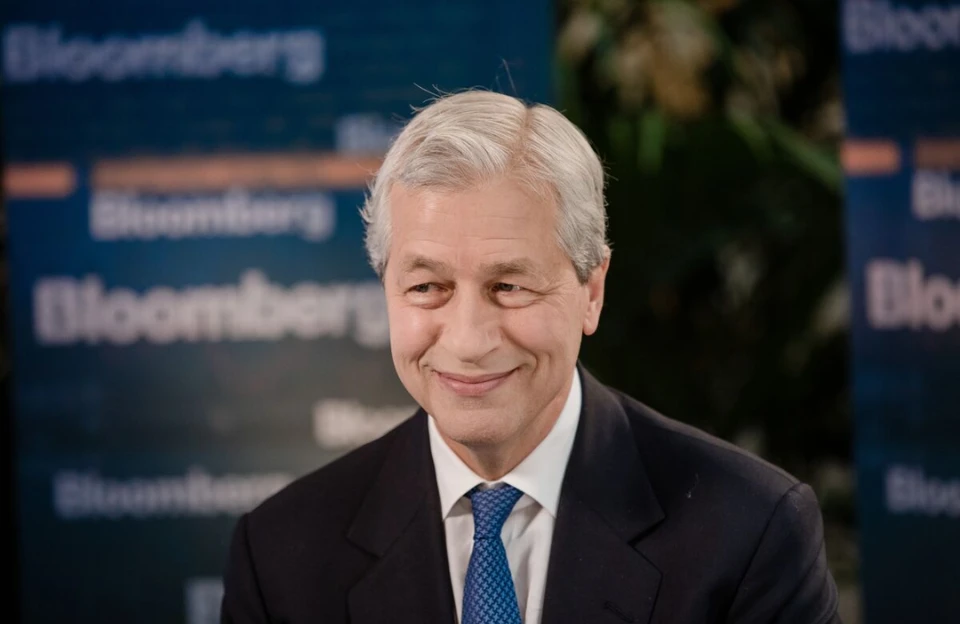
As of 2026, Jamie Dimon’s net worth is estimated at around $2.8 to $3 billion, depending on the valuation of his JPMorgan shares on any given day. He directly owns approximately 7.8 million shares of JPMorgan Chase worth well over $1 billion at current prices alone. His 2025 compensation package totaled $43 million: a $1.5 million base salary, a $5 million cash bonus, and $36.5 million in performance share units tied to the bank’s long-term results.
That last part matters more than it sounds. Nearly 88% of his annual pay is locked to how the bank actually performs over time, not handed over regardless of results. It’s a structure that forces alignment with shareholders, and it’s something most people don’t realize when they hear the headline number.
Still, the salary isn’t really what made him a billionaire. That came from shares accumulating over nearly two decades as CEO, plus the strategic decision, more on this shortly, of betting his own money on himself before anyone else had a reason to.
Where He Started
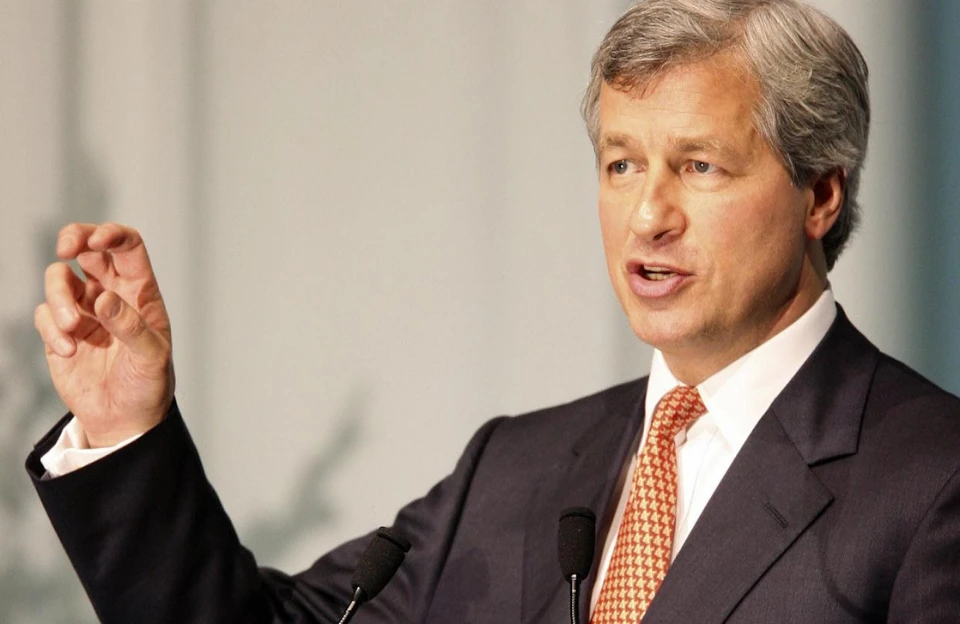
Dimon grew up in New York City, the son and grandson of stockbrokers. Finance was genuinely in the family, not in the clichéd way that gets mentioned in every profile, but in a practical sense, in dinner table conversations that most kids don’t have. He graduated from Tufts University summa cum laude, then earned his MBA from Harvard Business School in 1982, finishing in the top 5% of his class.
He had offers from Goldman Sachs, Morgan Stanley, and Lehman Brothers. He turned them all down to follow Sandy Weill, a legendary dealmaker who’d been pushed out of American Express to a small, obscure consumer lending company called Commercial Credit. “I love the idea of being on the ground floor,” he later said. That instinct, the willingness to bet on potential over prestige, never really left him.
Over the next 16 years, working alongside Weill, Dimon helped build a financial services empire through a relentless series of acquisitions: Primerica, Smith Barney, Travelers Group, and finally, in 1998, the $73 billion merger with Citicorp that created Citigroup at the time, the largest financial services company in the world.
Then he was fired.
The Lesson Nobody Talks About
When the news broke that Dimon had resigned from Citigroup, the trading floor at Salomon Smith Barney, the unit he’d helped build, gave him a standing ovation as he walked out. One investment banker told the Washington Post: “We all wanted to hate him, but he turned out to be a real quality guy.”
That reaction tells you something. The people who actually worked with him weren’t surprised he got pushed out by a power struggle at the top; they were devastated to lose him.
Dimon spent the next 18 months doing something unusual for someone of his stature: almost nothing. He went from working 80 hours a week to zero. He took up boxing. He read biographies of leaders who had, as he put it, “truly suffered.” He took meetings with anyone who called Home Depot, Amazon (where Jeff Bezos was building something he thought had real promise but felt like “a bridge too far”), and various others.
What he was doing, though he may not have framed it this way at the time, was figuring out who he actually was as a leader, separate from his mentor and from the institution that had defined him for 16 years.
Then, in March 2000, he became CEO of Bank One, a struggling Chicago bank that had just posted a $511 million loss.
Three years later, Bank One was earning $3.5 billion in profit.
That turnaround alone would be a remarkable story. But the detail I find most telling happened before he’d even started. Dimon invested $60 million of his own money into Bank One stock before taking the job. He wanted everyone, shareholders, employees, the market, to know he was all in. “I was going to be the captain of the ship,” he said. “I was going to go down or up with the ship.”
That’s not a PR move. That’s conviction.
You May Like
Dave Ramsey Net Worth 2026: How the Financial Guru Built His $200 Million Empire From Bankruptcy
The JPMorgan Years
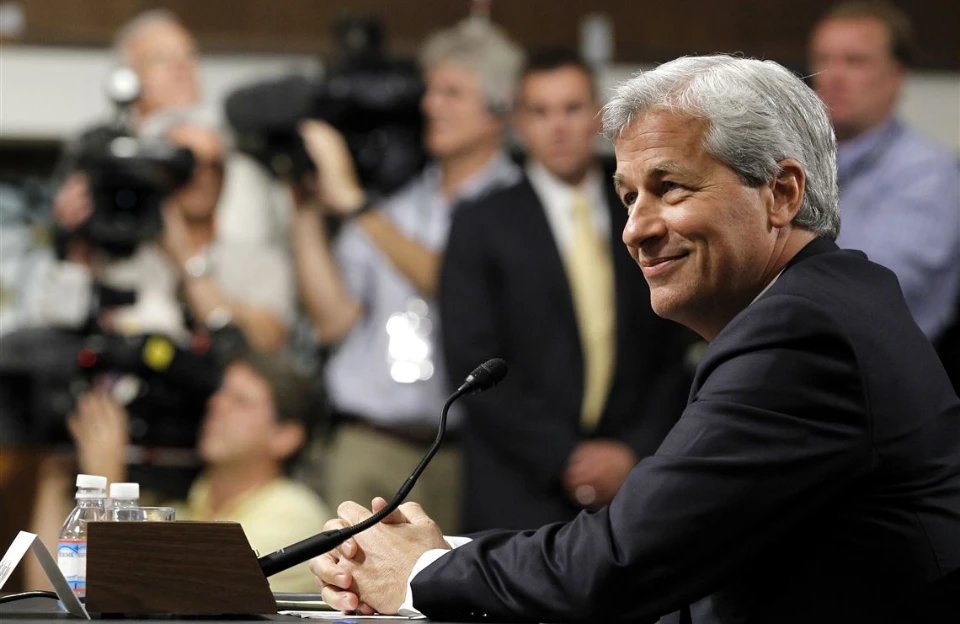
Bank One merged with JPMorgan Chase in 2004. Dimon became President and COO. By the end of 2005, he was named CEO. By the end of 2006, Chairman.
He’s been there ever since, making him one of the longest-serving leaders of any major global bank, which in itself is remarkable in an industry that churns through executives faster than most.
His leadership has been tested in ways that are genuinely hard to simulate in a business school case study. During the 2008 financial crisis, while peers were collapsing, JPMorgan remained profitable. Dimon orchestrated the acquisitions of Bear Stearns and Washington Mutual moves that were chaotic, controversial, and, in hindsight, essential to preventing broader systemic failure. He later described acquiring Bear Stearns as “the right thing to do for the country.” Whether you believe him or not, JPMorgan didn’t need a government bailout.
In 2012, the bank suffered a $6 billion trading loss known as the London Whale scandal. Dimon’s compensation was cut in half that year from roughly $23 million to $11.5 million. He faced Congress. He didn’t hide. His response to that crisis, owning it publicly and restructuring risk management afterward, became a reference point for how CEOs should handle institutional failure.
Under his leadership, JPMorgan Chase became the largest bank in the United States by market capitalization, assets under management, and publicly traded stock value. Since he took the helm in 2006, the bank’s shares have returned roughly 920%.
7 Things Dimon Does That You Can Actually Apply
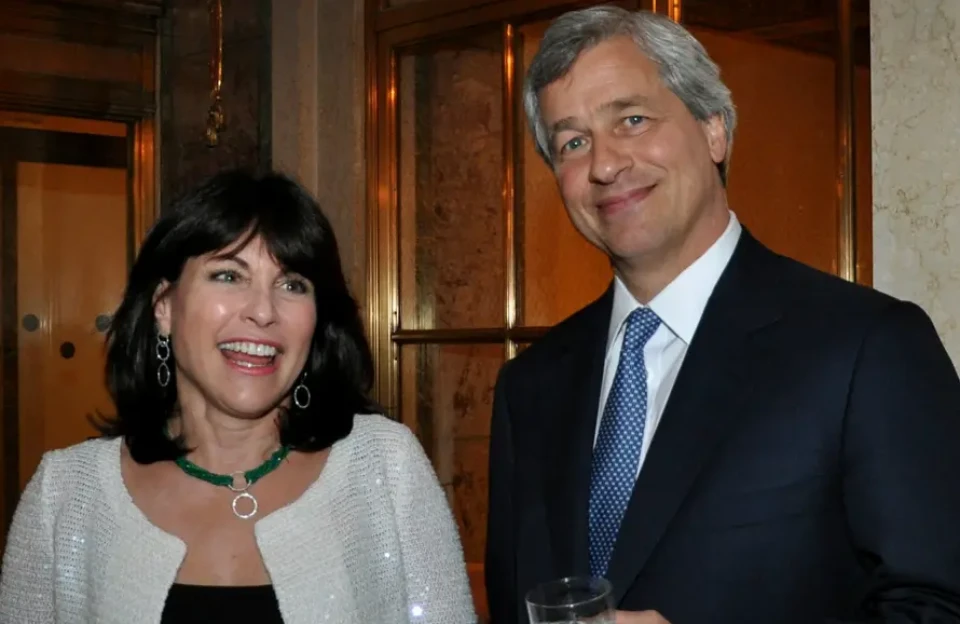
These aren’t motivational abstractions. These are patterns that show up consistently across how he leads, how he talks, and how he’s described by the people who work with him.
1. He bets on himself before asking others to. When Dimon joined Bank One, he put $60 million of his own money into the stock. Most people negotiate for guaranteed pay. He went the other direction, linking his personal upside to the institution’s performance before the institution owed him anything. If you’re starting a business, pitching a project, or asking people to follow you somewhere uncertain, your willingness to carry personal risk signals more than any pitch deck.
2. He treats setbacks as diagnostic tools, not verdicts. After Citigroup, he didn’t immediately bounce to the next job. He spent 18 months reading, reflecting, and talking to people. He described that period as figuring out what kind of leader he wanted to be. The firing didn’t define him; his response to it did. There’s something genuinely useful in that, not as a cliché, but as a practical argument for slowing down after a major failure before rushing into the next thing.
3. He focuses obsessively on details. In multiple interviews, Dimon has said his success comes down to “details, no bullsh**ting, or meetings after meetings.” He has little patience for performance and significant patience for substance. If you want to earn his trust, show up with specifics.
4. He thinks in terms of decades, not quarters. His annual shareholder letters, which are widely read across the finance industry, frequently cover geopolitical risk, technology shifts, and long-term structural issues that have nothing to do with this quarter’s earnings. It’s a rare CEO habit: the willingness to think about where things are going long before they arrive.
5. He keeps his compensation tied to performance. 88% of his annual pay is at-risk equity. This isn’t just a governance point; it’s a signal about how he thinks about accountability. He has more incentive than almost anyone at the firm to care whether the long-term bet pays off.
6. He’s willing to say unpopular things publicly. Dimon has disagreed with U.S. presidents, criticized financial policy, and warned about economic risks that many peers were reluctant to name. In January 2026, JPMorgan was involved in a $5 billion lawsuit filed by Donald Trump over account closures. He doesn’t avoid controversy to protect his public image. That kind of clarity, knowing what you actually think and being willing to say it tends to build more credibility over time than careful neutrality.
7. He takes the long view on talent. When he walked off the Citigroup trading floor, a thousand traders gave him a standing ovation. That’s not an accident. It comes from years of being the kind of leader people actually want to work for, accessible, direct, and willing to spend time explaining things. Building that kind of loyalty doesn’t happen through policy. It happens through how you treat people when nobody is watching.
What His Story Actually Means
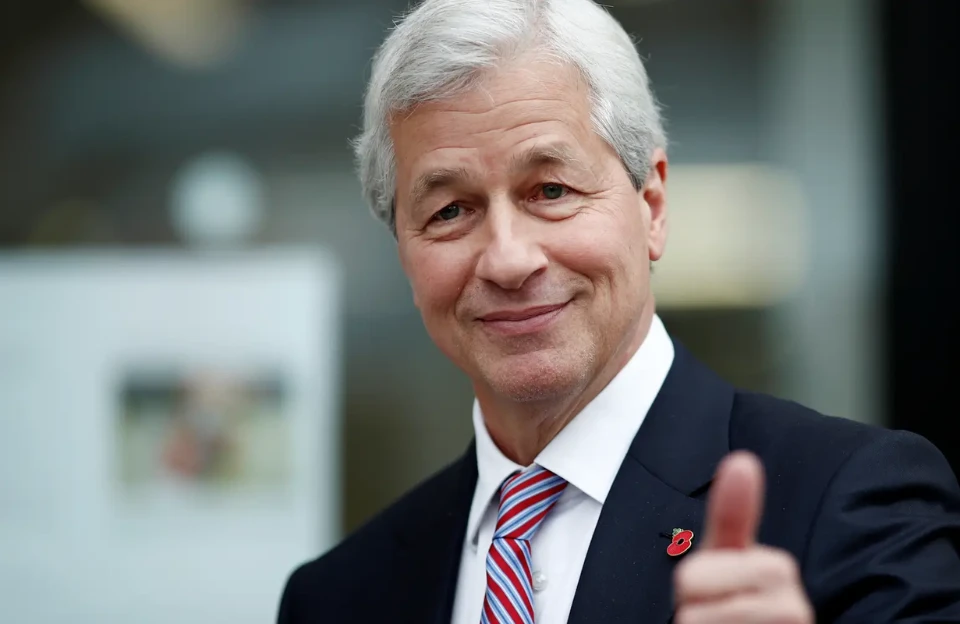
I’ve spent a fair amount of time reading about Dimon, his interviews, his shareholder letters, and the accounts of people who worked with him. What strikes me isn’t the wealth. It’s the consistency. The same instincts that made him follow Sandy Weill to a tiny lending company in 1982 instead of Goldman Sachs, the willingness to bet on potential, to go all in, to think long-term, are the same visible forty years later.
He’s not a complicated person to understand. He’s just unusually disciplined about applying simple principles at scale, over a very long time.
The other thing worth noting: becoming a billionaire without founding a company is genuinely rare. Dimon is in a small category alongside people like Tim Cook, Steve Ballmer, and Sheryl Sandberg, non-founders who turned long-tenure leadership and equity into generational wealth. The mechanism is straightforward in theory: build the institution, hold the equity, let time do its work.
In practice, very few people have the patience, the resilience, or the skill to make that work.
Quick Facts
| Full name | James Dimon |
| Born | March 13, 1956, New York City |
| Education | Tufts University (BA), Harvard Business School (MBA, Baker Scholar) |
| Current role | Chairman & CEO, JPMorgan Chase (since 2006) |
| Net worth (2026 est.) | ~$2.8–$3 billion |
| 2025 compensation | $43 million total |
| JPMorgan shares owned | ~7.8 million |
| JPMorgan stock return under Dimon | ~920% (2006–2025) |
If there’s one thing to take from Dimon’s career, it’s this: he was fired at 42 by the mentor he’d followed for 16 years, and he used that year and a half of uncertainty to figure out exactly who he wanted to be as a leader. Then he went and became the most powerful banker in America. The setback wasn’t an interruption to the story. It was the inflection point.

I’m Shaheen, the writer behind every article on FahadsGuide. I research and write practical guides on budgeting smarter, setting up better living spaces, using AI tools effectively, and building daily habits that actually stick. Background in motivational content on YouTube.Every article is researched and written to be genuinely useful, not just readable.