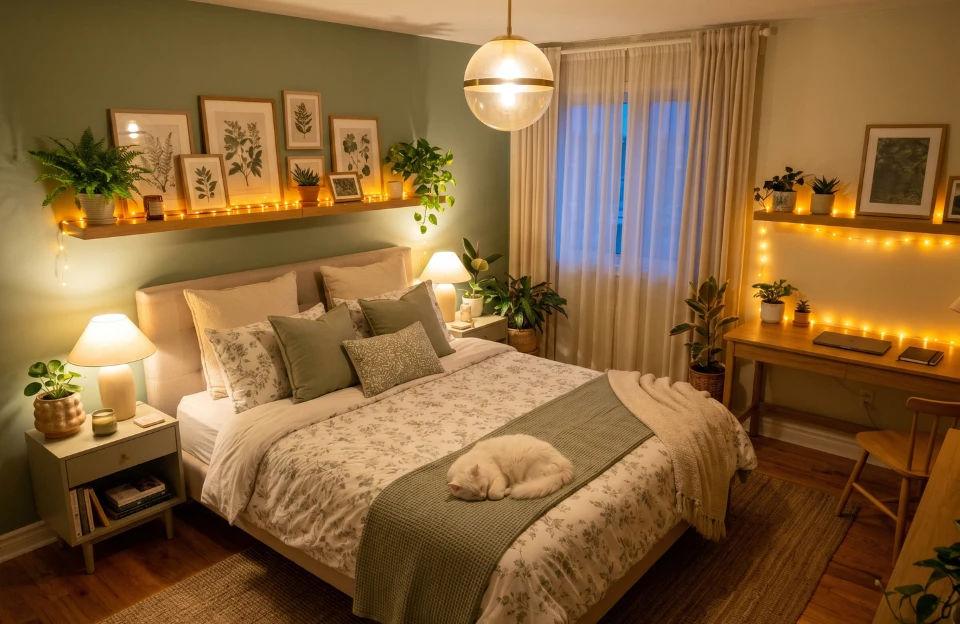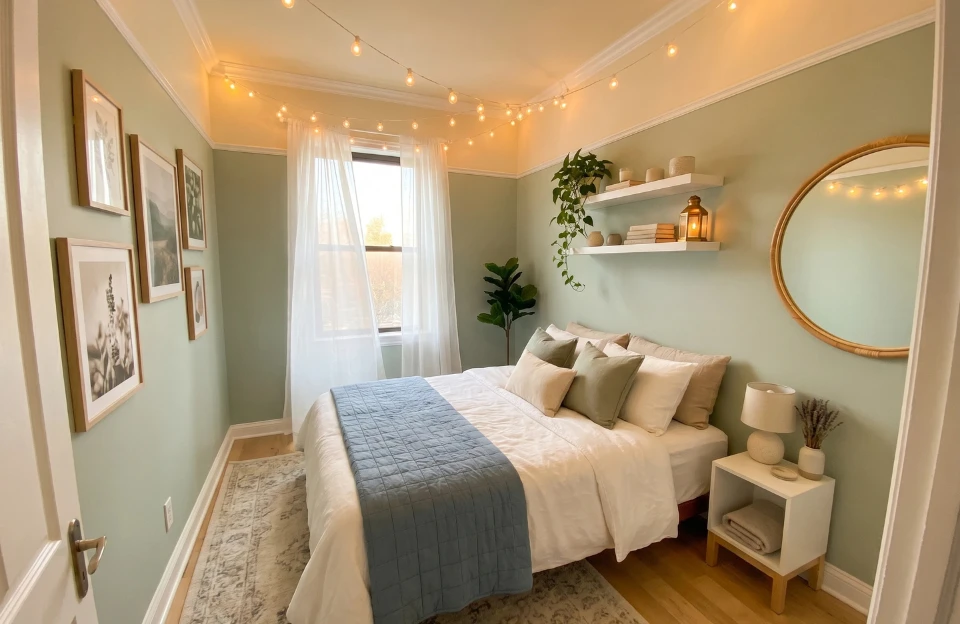
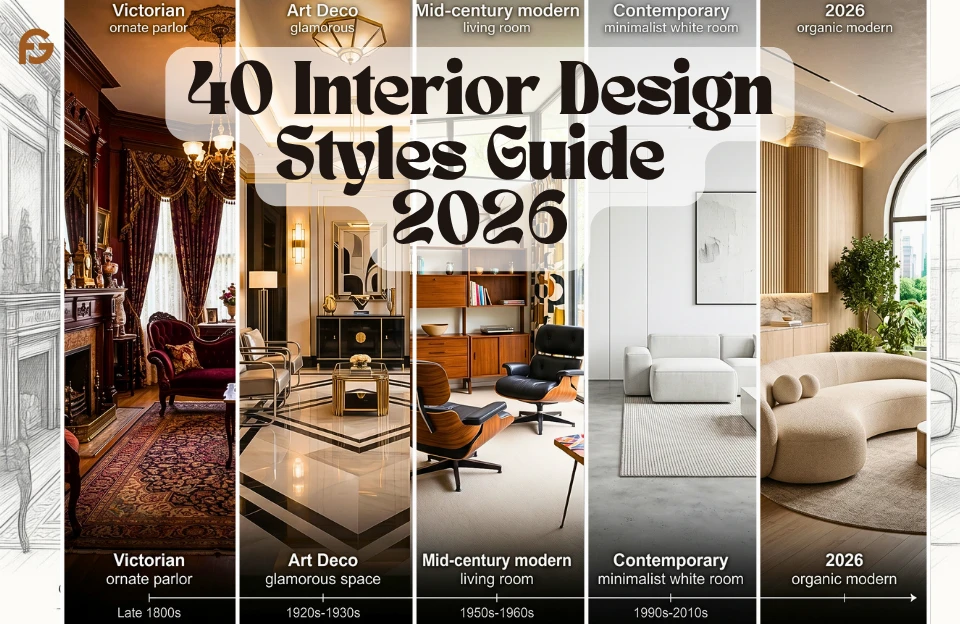
Understanding interior design styles is like learning a new language. Each aesthetic has its own vocabulary of colors, materials, furniture shapes, and decorative elements that create a distinct visual identity and emotional atmosphere.
Whether you’re furnishing your first apartment, planning a home renovation, or simply trying to articulate what you love about certain spaces, knowing the fundamental design styles empowers you to make confident decisions and create cohesive, beautiful rooms that genuinely reflect your personality.
In 2026, interior design will become more democratic and personal than ever before. The old rules about matching everything perfectly or sticking rigidly to a single style have dissolved. Today’s most interesting interiors blend elements from multiple aesthetics, creating eclectic spaces that feel collected over time rather than purchased from a single showroom.
However, understanding the pure forms of each style provides the foundation you need to mix and match successfully. You can’t break the rules artfully until you understand what they are.
This comprehensive guide explores 40 distinct interior design styles, from the most popular to emerging aesthetics you’ll see everywhere in the coming years. For each style, we’ll cover its defining characteristics, key elements, color palettes, materials, and how to achieve the look in your own home.
Consider this your complete interior design education, distilled into one essential reference you’ll return to again and again.
1. Modern Interior Design
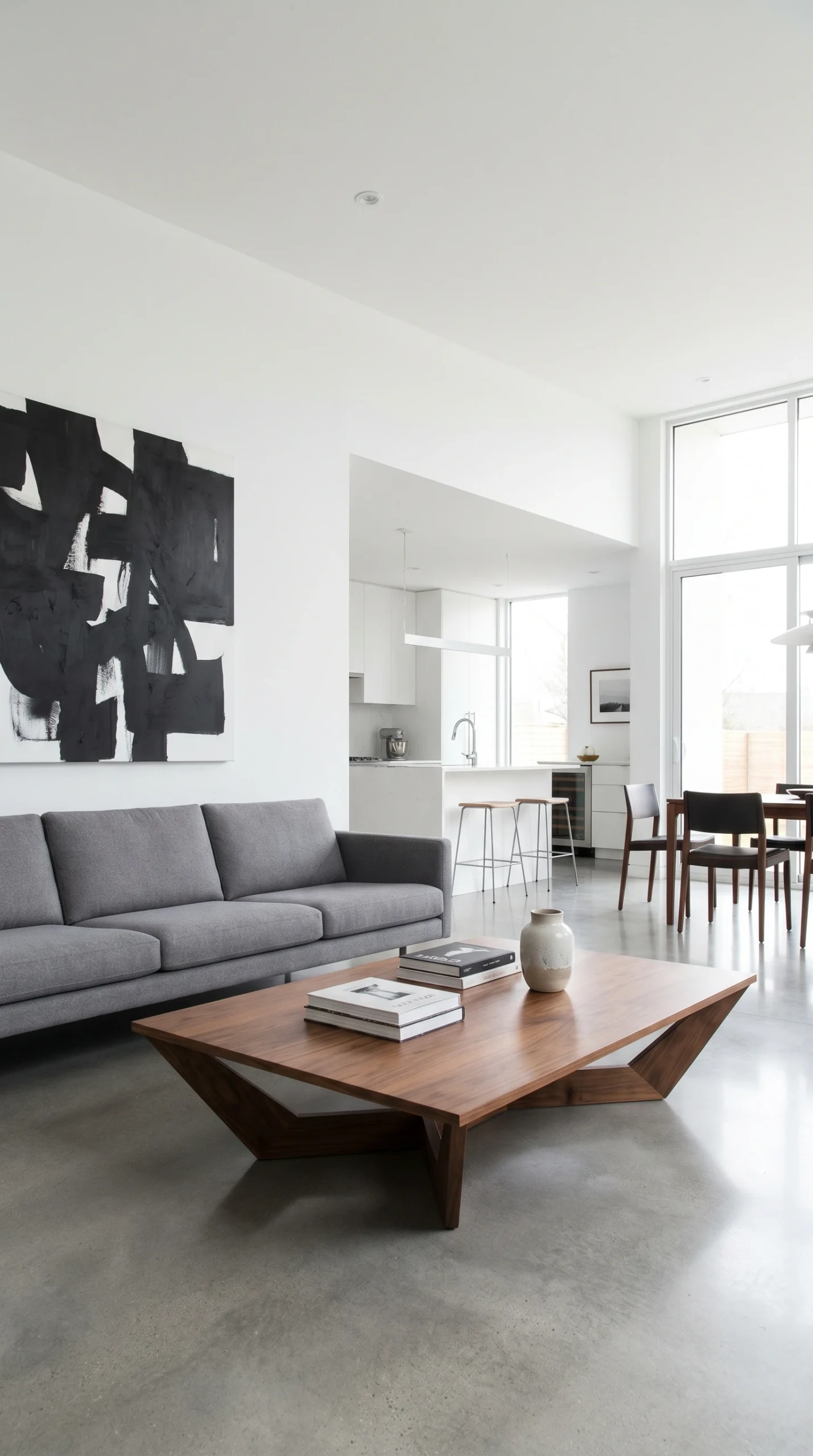
Modern design refers specifically to a movement that emerged in the early to mid-20th century, characterized by clean lines, minimal ornamentation, and a focus on function over decoration.
Key Characteristics
- Simple, clean lines define modern furniture and architecture. Shapes are geometric and unadorned, without the ornate details found in traditional styles.
- Neutral color palettes dominate, with white, black, gray, and beige forming the foundation. Bold accent colors appear sparingly for visual interest.
- Natural materials like wood, leather, stone, and metal are showcased in their honest forms rather than disguised or overly finished.
- Open floor plans eliminate unnecessary walls, creating flowing spaces with multifunctional areas.
- Minimal decoration keeps surfaces relatively clear. When accessories appear, they’re carefully chosen and often serve a functional purpose.
How to Achieve Modern Style
Choose furniture with exposed legs and slim profiles rather than bulky, overstuffed pieces. A low-profile sofa in neutral fabric with thin metal legs exemplifies modern design.
Keep window treatments simple with clean-lined blinds or minimal curtains rather than heavy drapes with elaborate hardware.
Select lighting that makes sculptural statements through interesting shapes and materials rather than ornate embellishments.
2. Contemporary Interior Design
Contemporary design is often confused with modern design, but they’re distinct. While modern refers to a specific historical period, contemporary means “of the moment” and constantly evolves to reflect current trends.
Key Characteristics
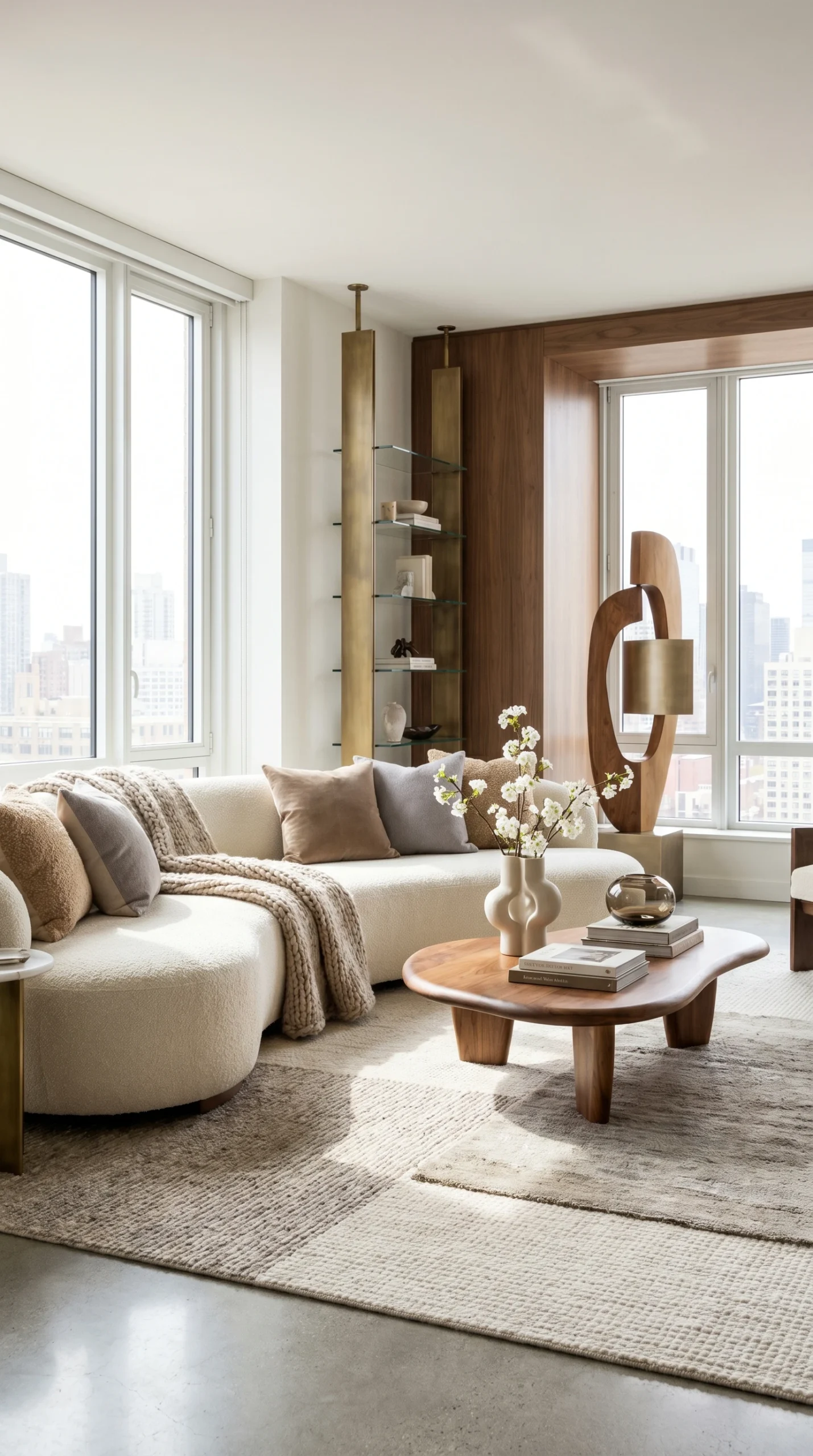
- Current trends define contemporary style, which in 2026 includes curved furniture, organic shapes, warm neutrals, and biophilic elements.
- Neutral foundations with bold accents create sophisticated palettes. Contemporary spaces often feature warm grays, taupes, and creams punctuated by jewel tones or saturated colors.
- Textural variety adds interest without pattern. Contemporary design layers smooth, rough, soft, and hard textures for dimensional depth.
- Mixed materials combine wood, metal, glass, stone, and textiles in unexpected ways.
- Uncluttered spaces maintain the clean aesthetic while feeling warmer and more lived-in than strict modern style.
How to Achieve Contemporary Style
Stay current with design trends, but choose timeless interpretations that won’t feel dated in three years. A curved sofa in neutral bouclé feels contemporary without being too trendy.
Layer textures through varied materials in similar color tones. A room might feature linen curtains, velvet pillows, a leather chair, and a wool rug, all in complementary neutrals.
Choose statement lighting or furniture that reflects current design, but in high-quality materials that will age well.
3. Minimalist Interior Design
Minimalism takes the clean aesthetic of modern design even further, embracing the philosophy that “less is more” and finding beauty in essential elements only.
Key Characteristics
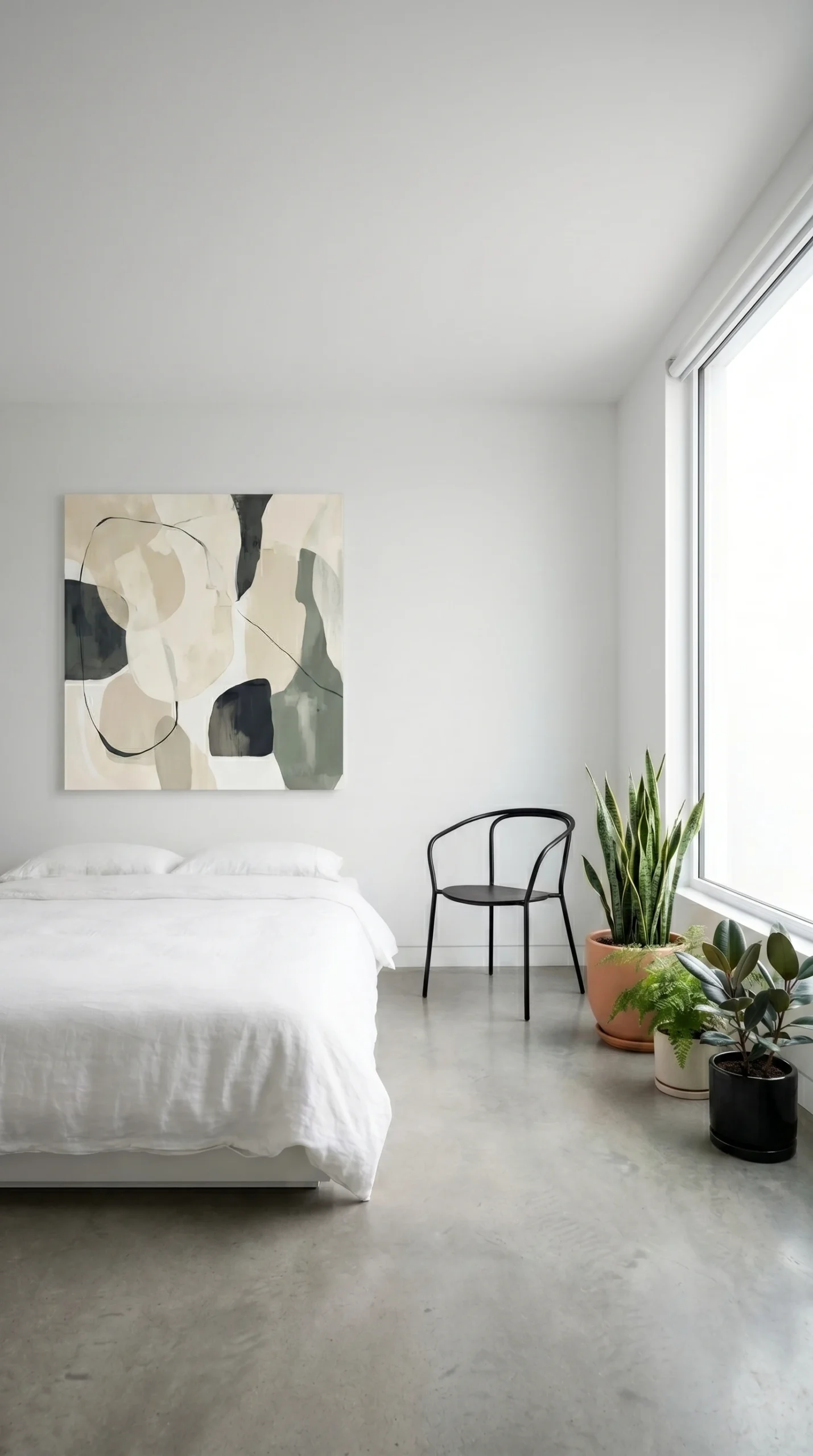
- Extreme simplicity guides every decision. Minimalist spaces contain only what’s necessary, with no superfluous decoration.
- Monochromatic color schemes often feature white, black, gray, or single muted colors throughout the space.
- Hidden storage keeps belongings out of sight, maintaining the uncluttered appearance that defines minimalism.
- Quality over quantity means investing in fewer, better pieces rather than filling spaces with mediocre items.
- Negative space is treated as a design element itself. Empty surfaces and open floors create breathing room and visual calm.
How to Achieve Minimalist Style
Declutter ruthlessly. Minimalism requires letting go of items that don’t serve essential functions or bring genuine joy.
Choose furniture with simple silhouettes and no ornamental details. A platform bed without a headboard exemplifies minimalist thinking.
Keep color schemes to three colors maximum, often variations of a single neutral with subtle tonal differences.
Store everyday items in closed cabinets and drawers to maintain clear surfaces and visual simplicity.
4. Scandinavian Interior Design (Scandi)
Scandinavian design emerged from Nordic countries and balances minimalist principles with warmth and coziness, creating spaces that are both functional and inviting.
Key Characteristics
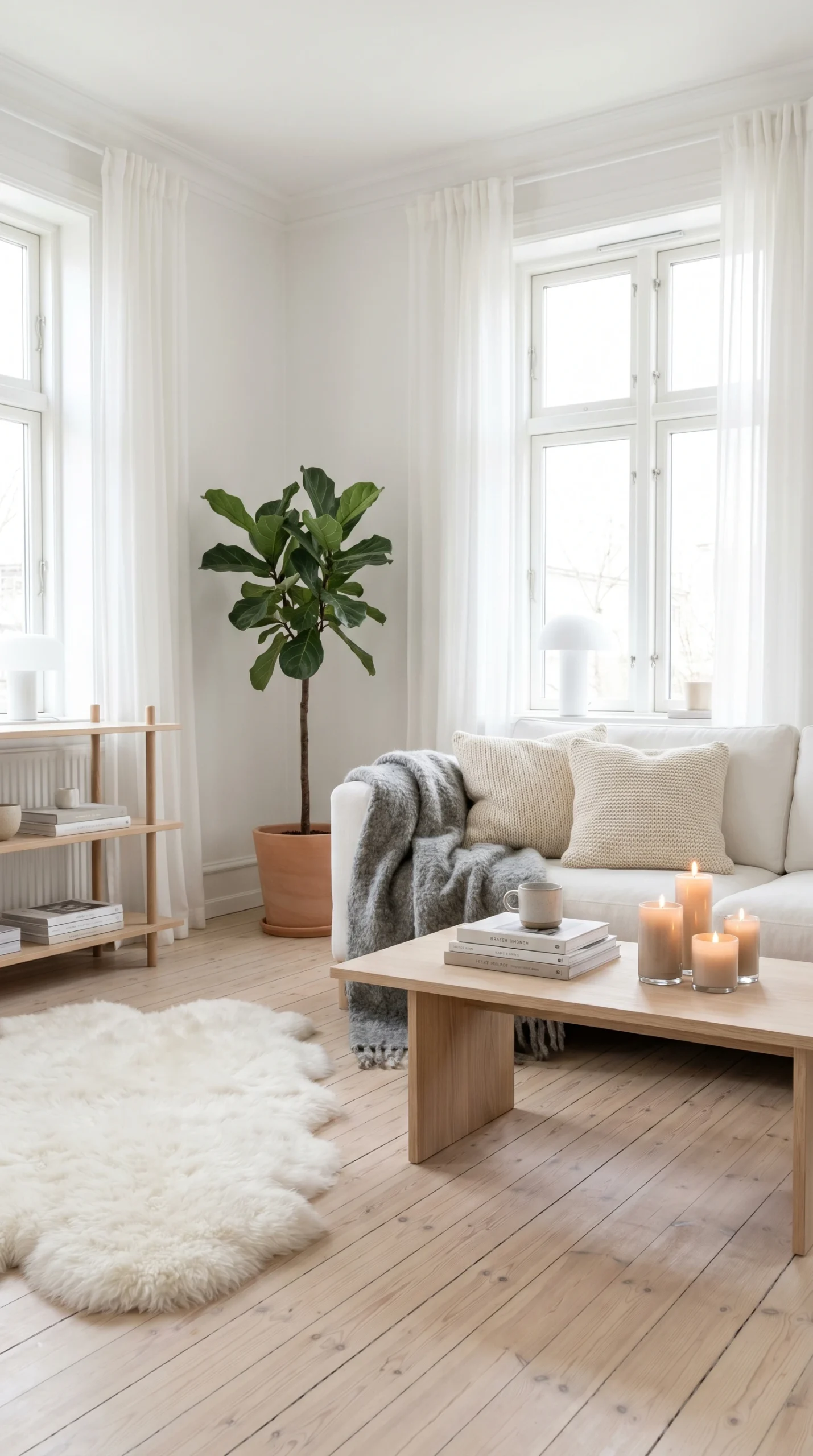
- Light wood tones dominate, particularly birch, ash, and pine in natural finishes that celebrate the wood’s grain.
- White and light neutrals maximize the limited natural light available in Nordic winters, creating bright, airy spaces.
- Functional simplicity ensures every item serves a purpose while looking beautiful. Form follows function, but never at the expense of aesthetics.
- Cozy textiles like wool throws, sheepskin rugs, and linen curtains add warmth and texture to otherwise minimal spaces.
- Natural elements, including plants, wood, leather, and stone, connect interiors to the natural world.
- Hygge elements create cozy atmospheres through candlelight, soft textiles, and intimate gathering spaces.
How to Achieve Scandinavian Style
Paint walls white or very light gray to maximize brightness. Choose warm whites rather than stark cool whites for a cozier feel.
Select furniture in light wood with simple, clean lines. Mid-century Scandinavian pieces from designers like Hans Wegner or Arne Jacobsen are iconic.
Layer cozy textiles in neutral colors for warmth without visual clutter. White linen curtains, gray wool throws, and cream cotton rugs all work beautifully.
Add greenery through simple potted plants in white or natural ceramic planters.
5. Industrial Interior Design
Industrial style draws inspiration from converted warehouses, factories, and lofts, celebrating raw materials, exposed structural elements, and utilitarian aesthetics.
Key Characteristics
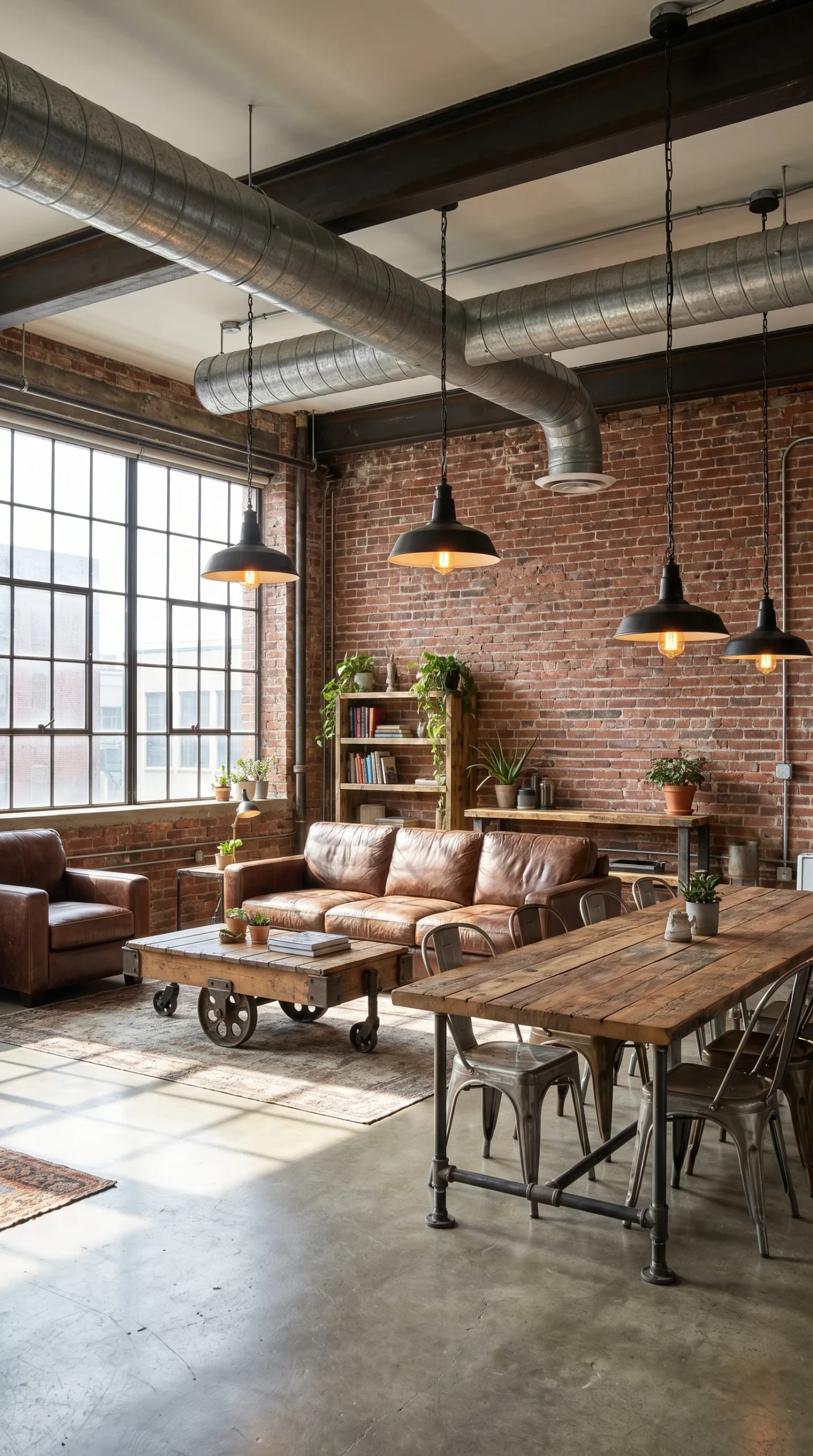
- Exposed structural elements like brick walls, concrete floors, steel beams, and ductwork become design features rather than elements to hide.
- Raw materials, including metal, reclaimed wood, concrete, and brick, appear in their honest, unfinished states.
- Neutral color palettes feature grays, blacks, browns, and whites with occasional rust orange or broad blue accents.
- Utilitarian furniture often includes factory-inspired pieces, metal stools, workbench-style tables, and rolling carts.
- Open floor plans with high ceilings and large windows echo the warehouse spaces that inspired this aesthetic.
- Vintage industrial pieces like factory lights, metal lockers, and antique machinery add authentic character.
How to Achieve Industrial Style
Expose architectural elements where possible. If you have brick walls or concrete floors hidden behind finishes, consider revealing them.
Choose furniture that combines metal and wood, like a dining table with a thick wood top and a metal pipe base.
Install Edison bulb fixtures or metal pendant lights that reference factory lighting.
Incorporate salvaged items like vintage metal signs, old factory equipment, or antique tools as decorative elements.
6. Mid-Century Modern Interior Design
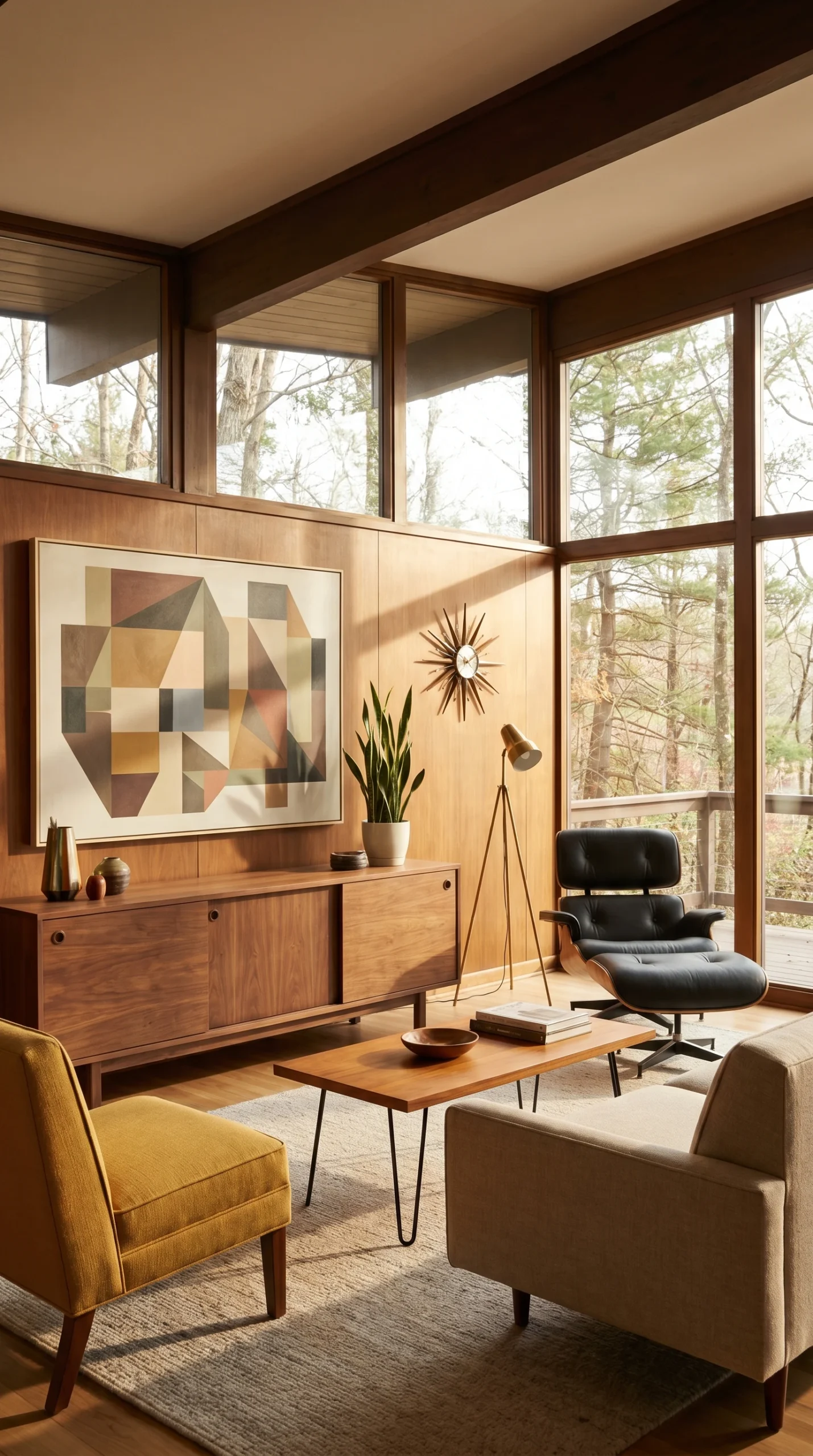
Mid-century modern refers to the design movement from roughly 1945-1969, characterized by clean lines, organic forms, and the integration of nature with modern materials.
Key Characteristics
- Organic and geometric shapes combine curved and angular forms in furniture and architecture. Think Eames chairs with their molded plywood curves on angled metal bases.
- Warm wood tones feature prominently, particularly walnut, teak, and rosewood in rich, oiled finishes.
- Tapered legs on furniture create a signature mid-century silhouette, whether on sofas, tables, chairs, or credenzas.
- Bold accent colors like mustard yellow, burnt orange, avocado green, and turquoise punctuate otherwise neutral palettes.
- Minimal ornamentation keeps designs clean and functional, focusing on beautiful materials and elegant proportions.
- Integration of indoor and outdoor through large windows, glass doors, and natural materials connects living spaces to nature.
How to Achieve Mid-Century Modern Style
Invest in iconic pieces or quality reproductions: an Eames lounge chair, Noguchi coffee table, or Saarinen tulip table instantly establishes the aesthetic.
Choose furniture with tapered wooden legs and simple upholstery in solid colors or subtle patterns.
Add bold accent colors through accessories, artwork, or a single furniture piece against a neutral backdrop.
Incorporate period-appropriate patterns like atomic starburst, abstract geometrics, or simple stripes.
7. Traditional Interior Design
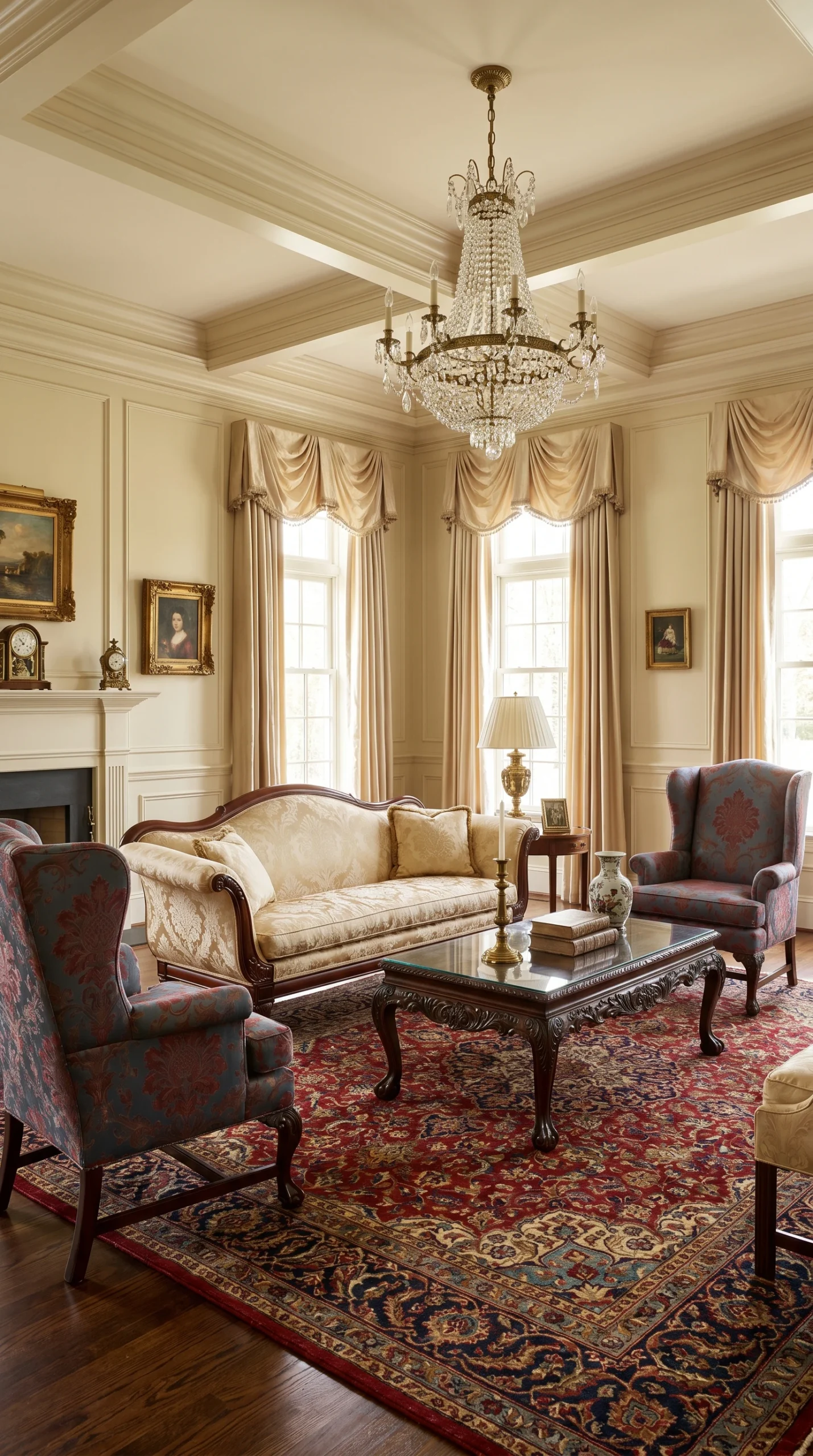
Traditional design draws from European décor from the 18th and 19th centuries, emphasizing classic details, elegant furnishings, and timeless sophistication.
Key Characteristics
- Rich, dark wood furniture in cherry, mahogany, or walnut with ornate details and curved lines.
- Formal arrangements with symmetrical furniture placement and balanced compositions.
- Luxurious fabrics, including silk, velvet, damask, and brocade, are used in layered window treatments and upholstery.
- Decorative details like crown molding, wainscoting, coffered ceilings, and ornate trim add architectural interest.
- Classic patterns such as florals, damasks, stripes, and plaids appear in fabrics and wallpapers.
- Antiques and heirlooms mix with quality reproductions to create collected-over-time aesthetics.
How to Achieve Traditional Style
Invest in wood furniture with classic lines and quality construction. A camelback sofa or wingback chair anchors a traditional room.
Layer window treatments with curtains, valances, and possibly sheers for formal elegance.
Add architectural details through molding and trim if your home lacks them. Crown molding alone dramatically impacts the traditional feel.
Choose area rugs in traditional patterns like Persian or Oriental designs to ground seating areas.
8. Transitional Interior Design
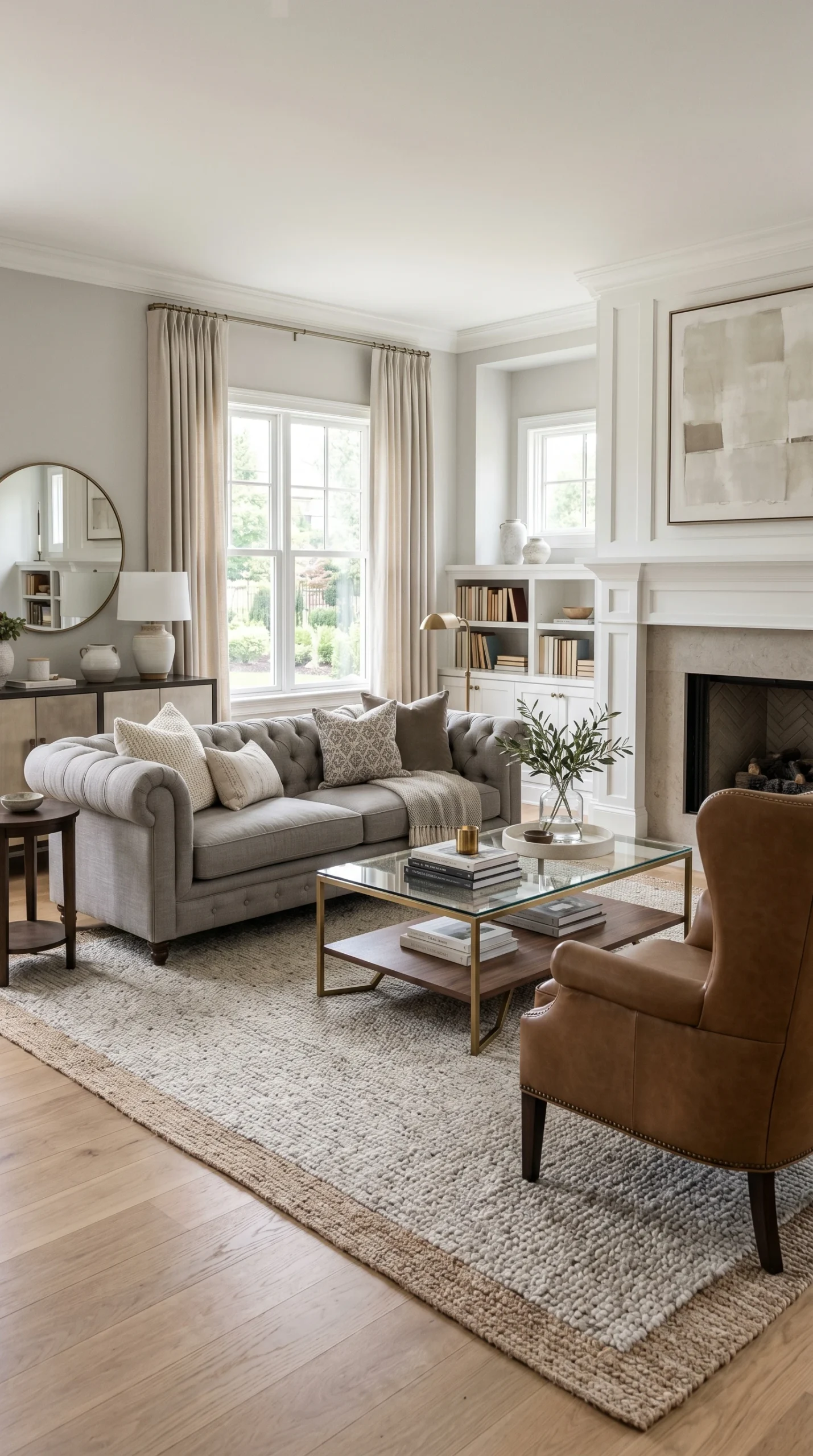
Transitional style bridges traditional and contemporary design, combining the warmth and elegance of traditional with the clean lines and simplicity of contemporary.
Key Characteristics
- Neutral color palettes provide sophisticated backdrops for both traditional and contemporary elements.
- Mixed textures combine smooth and rough, matte and glossy, traditional fabrics and modern materials.
- Straight and curved lines balance contemporary geometric shapes with traditional curved silhouettes.
- Updated classic furniture features traditional shapes with cleaner lines and less ornate details.
- Minimal but intentional accessories avoid both the sparseness of minimalism and the abundance of traditional style.
How to Achieve Transitional Style
Pair traditional furniture shapes (like a tufted sofa) with contemporary fabrics (like linen or velvet in solid neutrals).
Mix finishes: combine wood tones with metals, glass with upholstered pieces, creating visual variety within cohesive palettes.
Keep window treatments simpler than traditional style but more substantial than contemporary minimalism. Simple panels in quality fabrics work well.
Choose classic shapes in updated materials. A wingback chair in leather rather than floral fabric exemplifies transitional thinking.
9. Coastal Interior Design
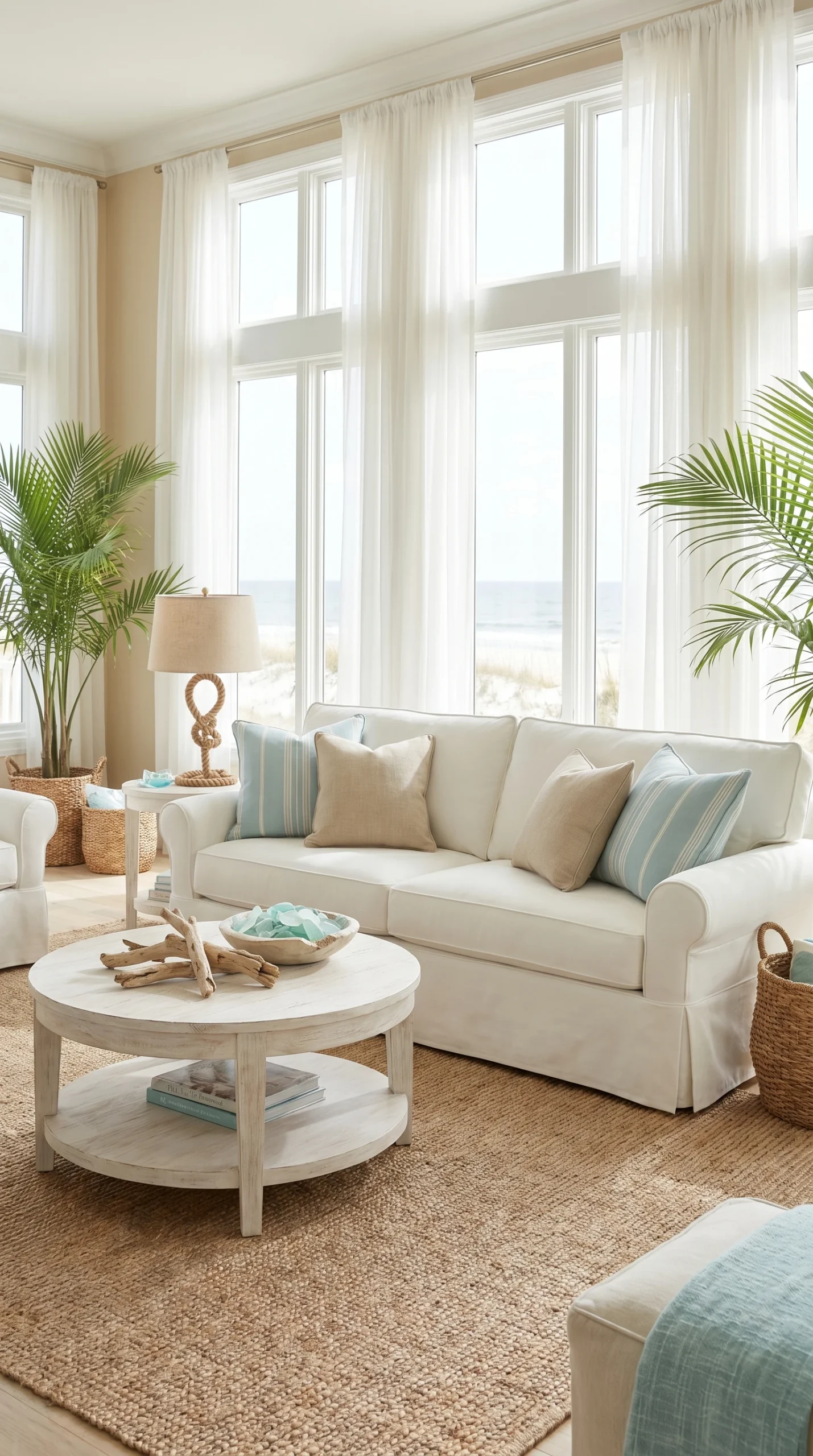
Coastal style captures the breezy, relaxed atmosphere of beachside living, featuring light colors, natural materials, and nautical influences without being overly themed.
Key Characteristics
- Light, airy color palettes dominated by whites, creams, soft blues, seafoam greens, and sandy beiges evoke beach and ocean.
- Natural materials, including weathered wood, jute, sisal, rattan, linen, and cotton, create casual elegance.
- Nautical accents appear subtly through striped patterns, rope details, ship-inspired hardware, and marine-themed artwork.
- Relaxed furniture with slipcovered sofas, whitewashed wood pieces, and comfortable seating encourages laid-back living.
- Natural light is maximized through sheer curtains or minimal window treatments that don’t block ocean breezes or sunlight.
How to Achieve Coastal Style
Paint walls in soft whites or very pale blues to create bright, airy foundations.
Choose furniture in whitewashed or natural wood finishes with relaxed silhouettes rather than formal shapes.
Layer natural fiber textiles: linen curtains, cotton slipcovers, jute rugs, and sisal baskets for organic texture.
Add subtle nautical touches through striped pillows, coral specimens, glass floats, or maritime artwork without being overly literal.
10. Bohemian Interior Design (Boho)
Bohemian style celebrates individuality, creativity, and global influences through eclectic combinations of colors, patterns, textures, and cultural artifacts.
Key Characteristics
- Layered textiles create rich visual and tactile experiences through rugs, throws, pillows, tapestries, and curtains in varied patterns.
- Global influences appear through Moroccan poufs, Indian textiles, African mudcloth, Turkish rugs, and Asian ceramics.
- Rich, saturated colors, including jewel tones, warm earthy hues, and vibrant brights, combine in fearless palettes.
- Mixed patterns layer florals, geometrics, ikat, paisley, and ethnic prints without concern for perfect coordination.
- Vintage and handmade items bring character and stories to spaces, from antique finds to artisan crafts to flea market treasures.
- Plants and natural elements abound, creating indoor jungles with hanging plants, large floor plants, and botanical displays.
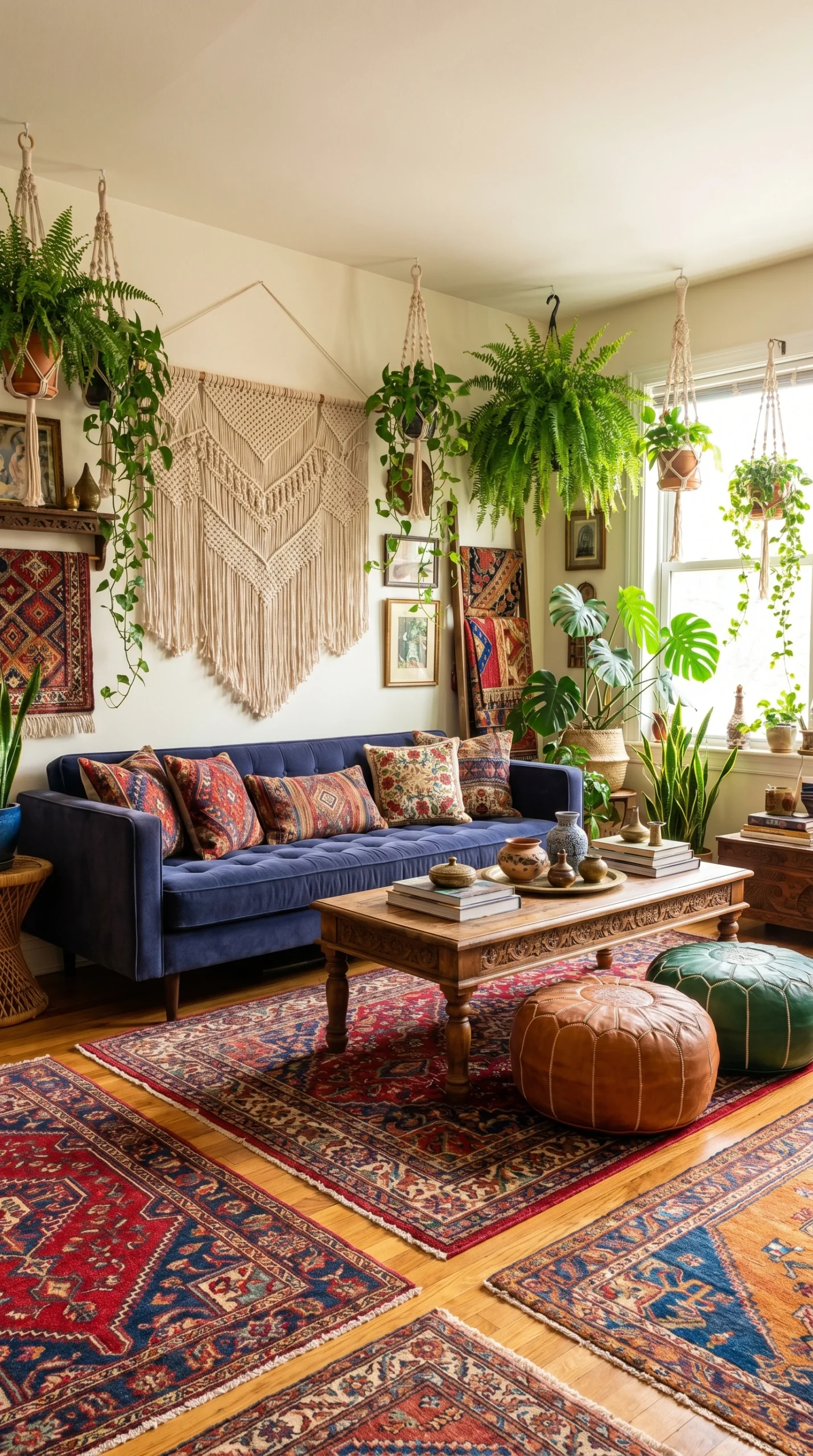
How to Achieve Bohemian Style
Layer rugs of different patterns and origins for depth and warmth. A Persian rug over a jute base with a small Moroccan rug accent creates boho richness.
Mix furniture styles and eras freely. Mid-century chairs, carved wooden tables, rattan pieces, and upholstered vintage sofas can coexist beautifully.
Display collections and meaningful objects on open shelves, walls, and surfaces. Boho style embraces visual abundance.
Incorporate textiles from different cultures: Indian block prints, Mexican blankets, Moroccan wedding blankets, and Turkish pillows all work together.
11. Farmhouse Interior Design
Farmhouse style draws from rural agricultural homes, emphasizing practicality, comfort, and connection to simpler times through rustic materials and vintage-inspired elements.
Key Characteristics
- Rustic wood elements, including exposed beams, reclaimed wood walls, barn doors, and weathered furniture, create authentic character.
- Neutral color palettes dominated by whites, creams, grays, and soft earth tones keep spaces fresh and bright.
- Vintage and antique pieces like farmhouse tables, apron-front sinks, vintage signs, and antique tools add nostalgic charm.
- Practical materials such as wood, metal, stone, and natural fibers reflect the functional origins of farmhouse style.
- Simple, unfussy décor avoids over-styling in favor of purposeful, unpretentious arrangements.
- Open shelving displays everyday dishes, baskets, and practical items that serve as functional decoration.
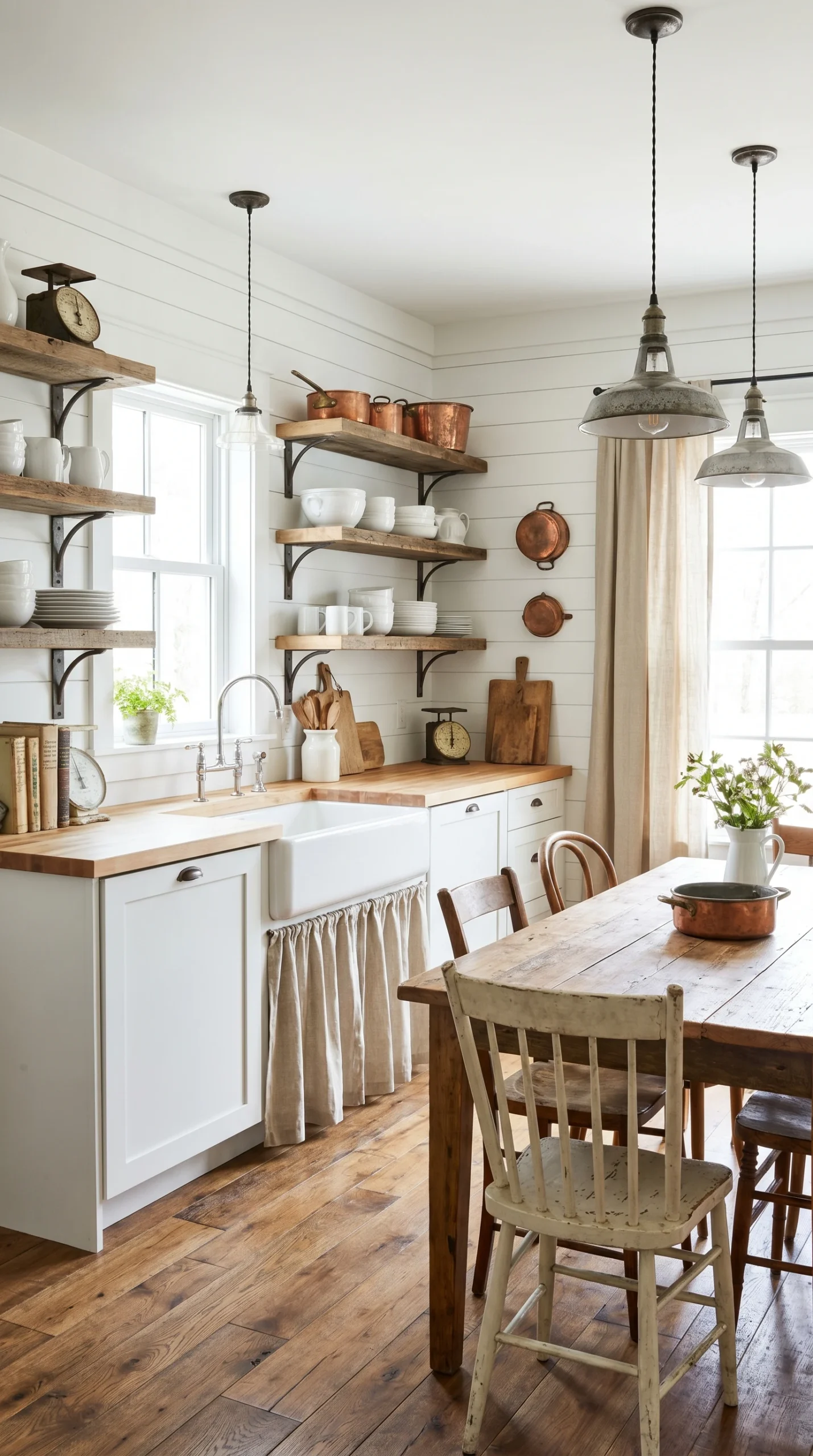
How to Achieve Farmhouse Style
Choose furniture with simple lines in distressed or weathered finishes. A large farm table becomes a central gathering place.
Install shiplap or board-and-batten walls for authentic farmhouse texture. Paint them white or soft gray for a fresh take.
Display practical items as decoration: white ironstone on open shelves, vintage enamelware, wire baskets, and wooden cutting boards.
Add vintage-inspired lighting like industrial pendants, schoolhouse fixtures, or lantern-style chandeliers.
12. Modern Farmhouse Interior Design
Modern farmhouses blend the rustic warmth of traditional farmhouses with the clean lines and updated elements of contemporary design, creating a style that feels both cozy and current.
Key Characteristics
- Shiplap and rustic wood combine with sleek modern elements like contemporary lighting or minimalist furniture.
- Neutral palettes with black accents create high-contrast moments that feel fresh and modern.
- Mixed metals, including black, brass, and stainless steel, appear throughout in fixtures, hardware, and accessories.
- Clean lines on furniture and cabinetry update the traditional farmhouse aesthetic for contemporary tastes.
- Updated vintage elements use farmhouse-inspired pieces but in simplified, streamlined versions.
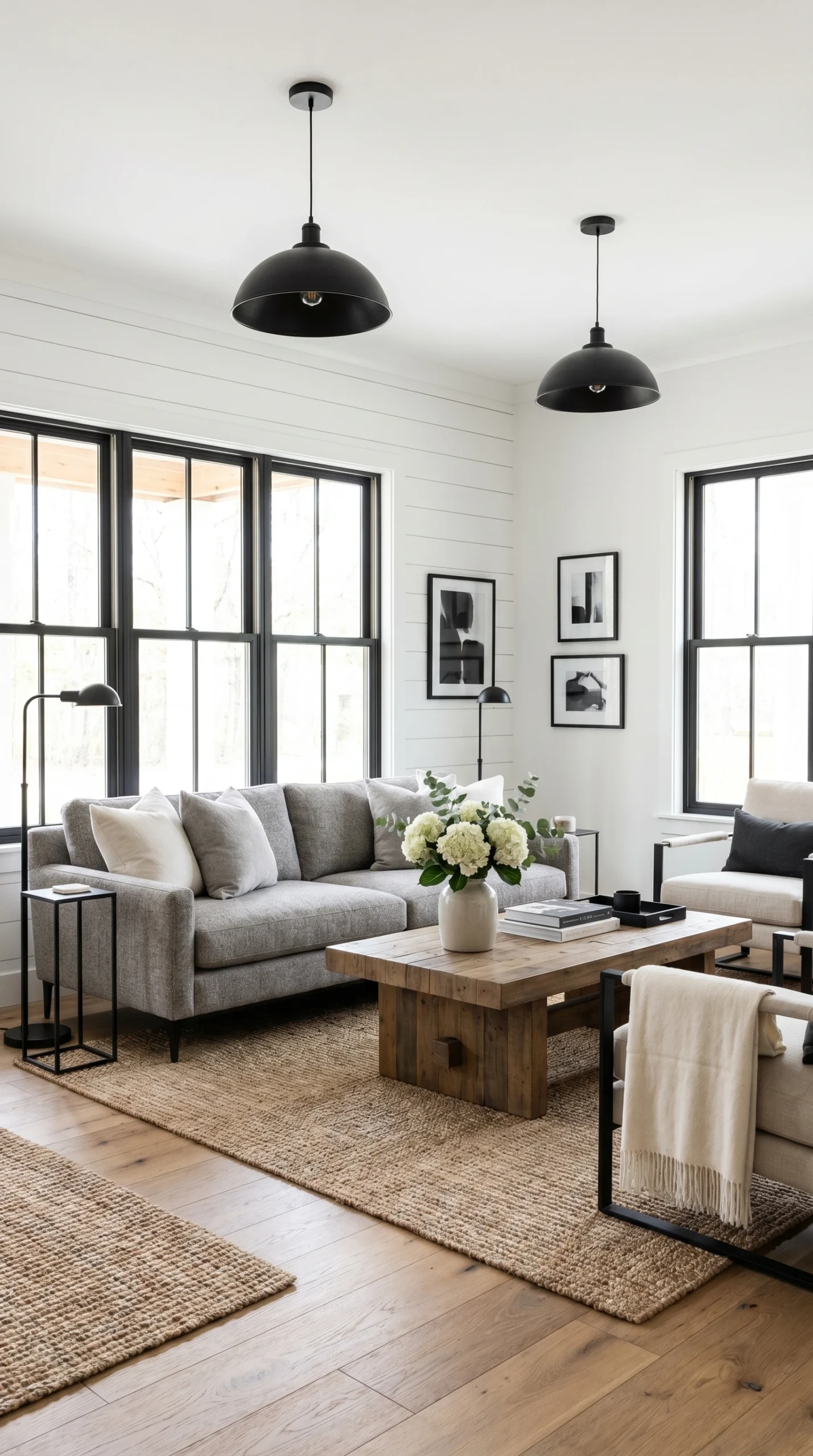
How to Achieve Modern Farmhouse Style
Combine shiplap walls with contemporary furniture in neutral colors for contrasting texture.
Choose black-framed windows and doors instead of traditional white for a modern impact.
Mix rustic wood with sleek metals: a reclaimed wood table with modern black metal chairs exemplifies the style.
Keep décor minimal compared to traditional farmhouse. Display fewer items but with thoughtful curation.
13. Rustic Interior Design
Rustic style celebrates the raw beauty of natural materials, handcrafted elements, and organic imperfections that connect spaces to the natural world and traditional craftsmanship.
Key Characteristics
- Natural, raw materials dominate, including rough-hewn wood, stone, leather, wool, and natural fibers in unfinished or minimally processed states.
- Warm, earthy color palettes feature browns, tans, creams, forest greens, and rust oranges inspired by natural landscapes.
- Exposed structural elements like wood beams, stone walls, and timber framing become prominent design features.
- Handcrafted furniture with visible joinery, natural edges, and rustic finishes showcases artisan craftsmanship.
- Organic textures abound through bark-on wood, rough stone, woven textiles, and uneven surfaces that celebrate natural imperfection.
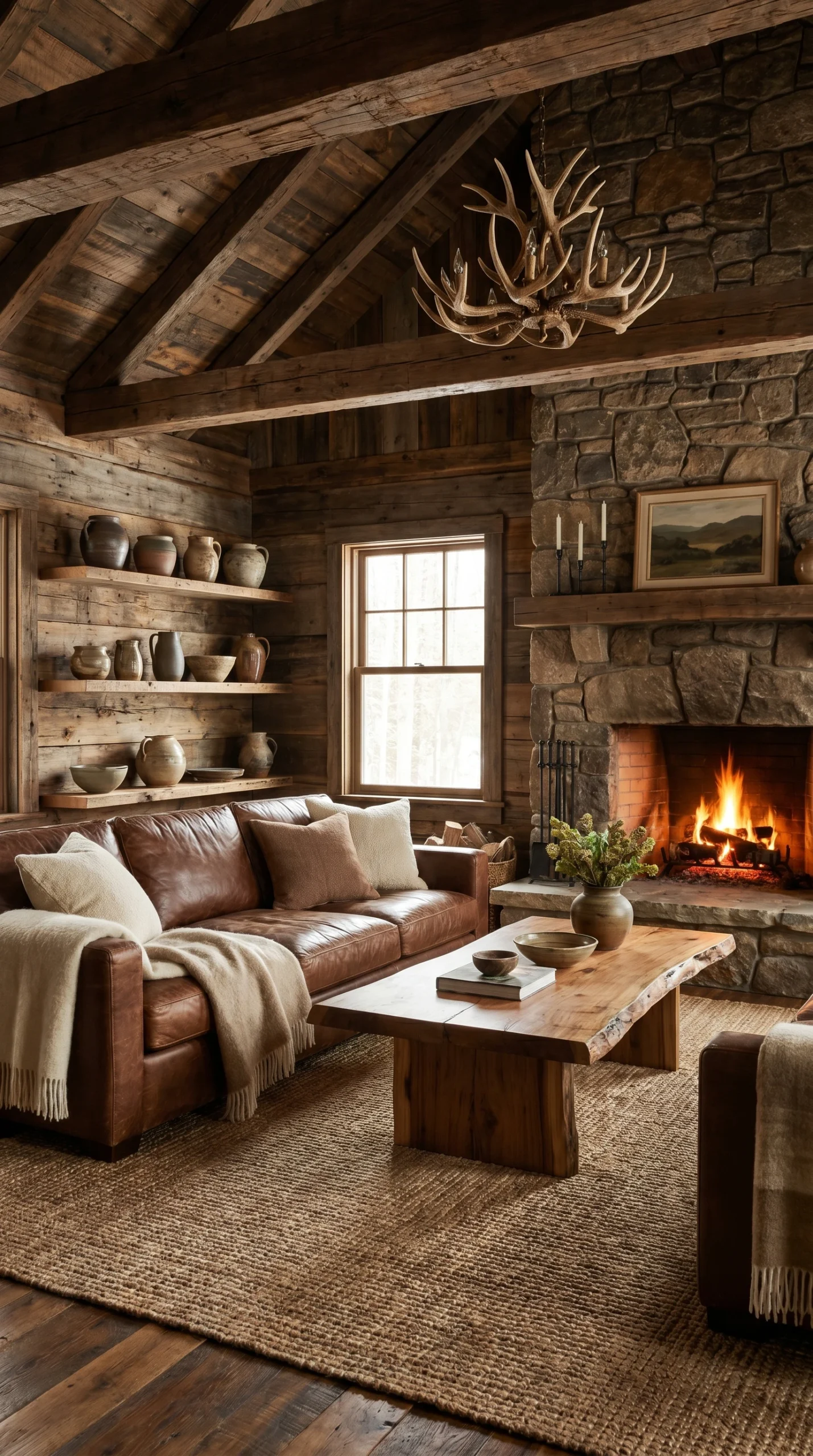
How to Achieve Rustic Style
Choose furniture with live-edge wood, visible knots, and natural variations that showcase the tree’s original character.
Incorporate stone elements through fireplaces, accent walls, or decorative accessories like stone bowls or rock specimens.
Layer natural textiles, including wool throws, leather cushions, jute rugs, and linen curtains for tactile warmth.
Display handcrafted items like pottery, woven baskets, hand-forged metals, or carved wood pieces that show human touch.
Image Prompt 13 (Nano Banana Pro):
14. Mediterranean Interior Design
Mediterranean style draws inspiration from coastal regions of Spain, Italy, Greece, and Morocco, featuring warm colors, rustic materials, and Old World charm.
Key Characteristics
- Warm, sun-drenched colors, including terracotta, golden yellow, deep blue, olive green, and warm whites, evoke Mediterranean landscapes.
- Rustic wood and wrought iron appear in furniture, light fixtures, and decorative elements with hand-forged details.
- Textured walls feature plaster finishes, stucco, or Venetian plaster in warm, earthy tones.
- Tile and stone in terra cotta, glazed ceramics, marble, and limestone add pattern and durability.
- Arched doorways and windows create architectural interest and reference Mediterranean architecture.
- Hand-painted ceramics and decorative tiles provide colorful accents and artisan details.
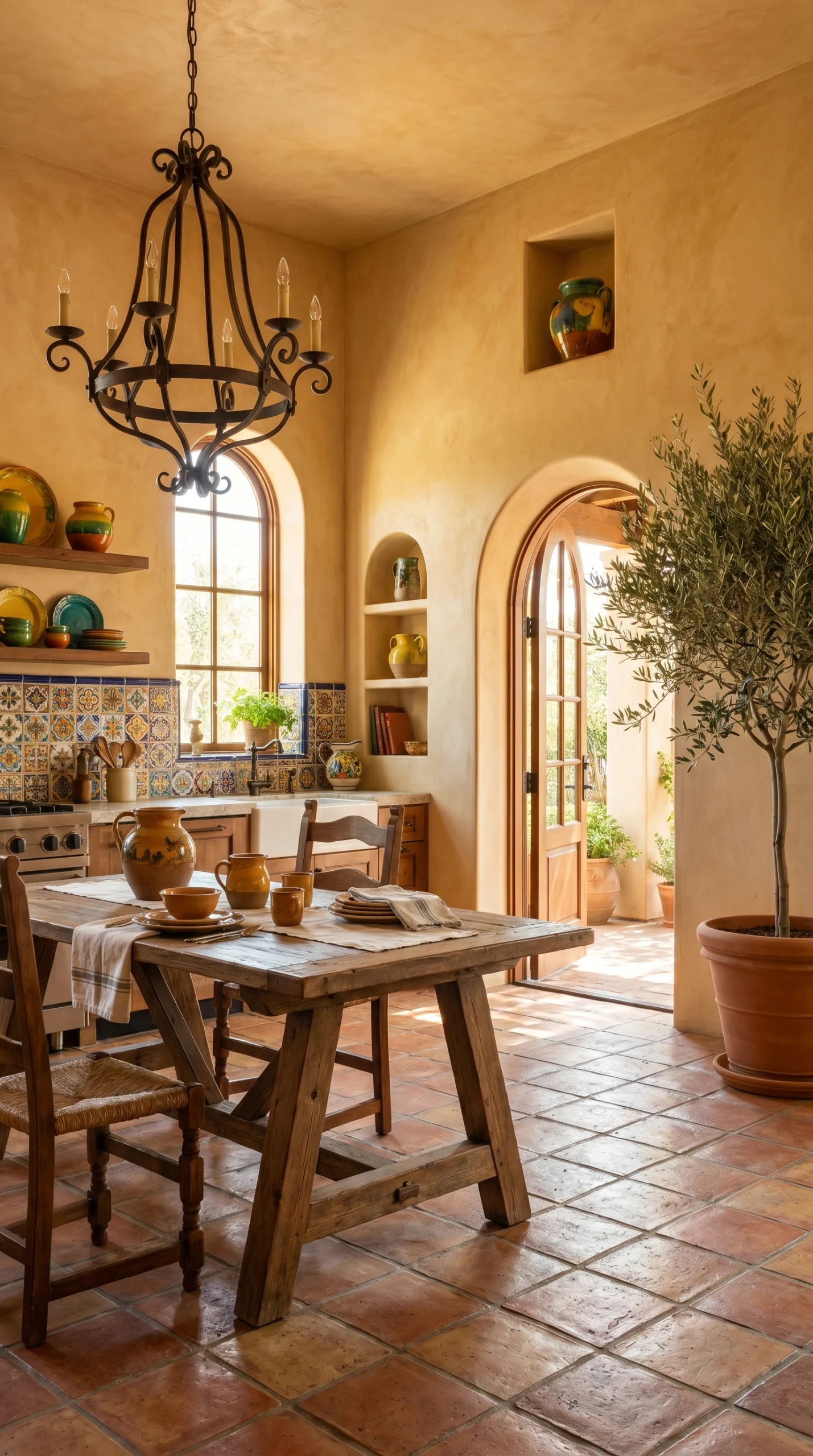
How to Achieve Mediterranean Style
Paint walls in warm plaster finishes using layered painting techniques that create depth and texture.
Choose furniture with rustic wood and wrought iron details. A trestle table with iron brackets captures the aesthetic.
Incorporate tile in backsplashes, floors, or decorative accents using hand-painted or patterned ceramics.
Add arched architectural elements where possible, or create the illusion through arched mirrors or doorway treatments.
15. French Country Interior Design
French country style combines rustic farmhouse elements with elegant French details, creating spaces that feel both comfortable and refined.
Key Characteristics
- Soft, muted colors, including lavender, soft yellow, sky blue, sage green, and dusty rose, create gentle palettes.
- Toile and French provincial fabrics appear in traditional patterns like toile de Jouy, ticking stripes, and floral prints.
- Distressed finishes on furniture and cabinetry suggest age and history through worn paint and weathered wood.
- Ornate but rustic elements blend carved details with rough textures, combining elegance with farmhouse practicality.
- Natural materials like limestone, terracotta, linen, and wood ground the romantic aesthetic in rustic reality.
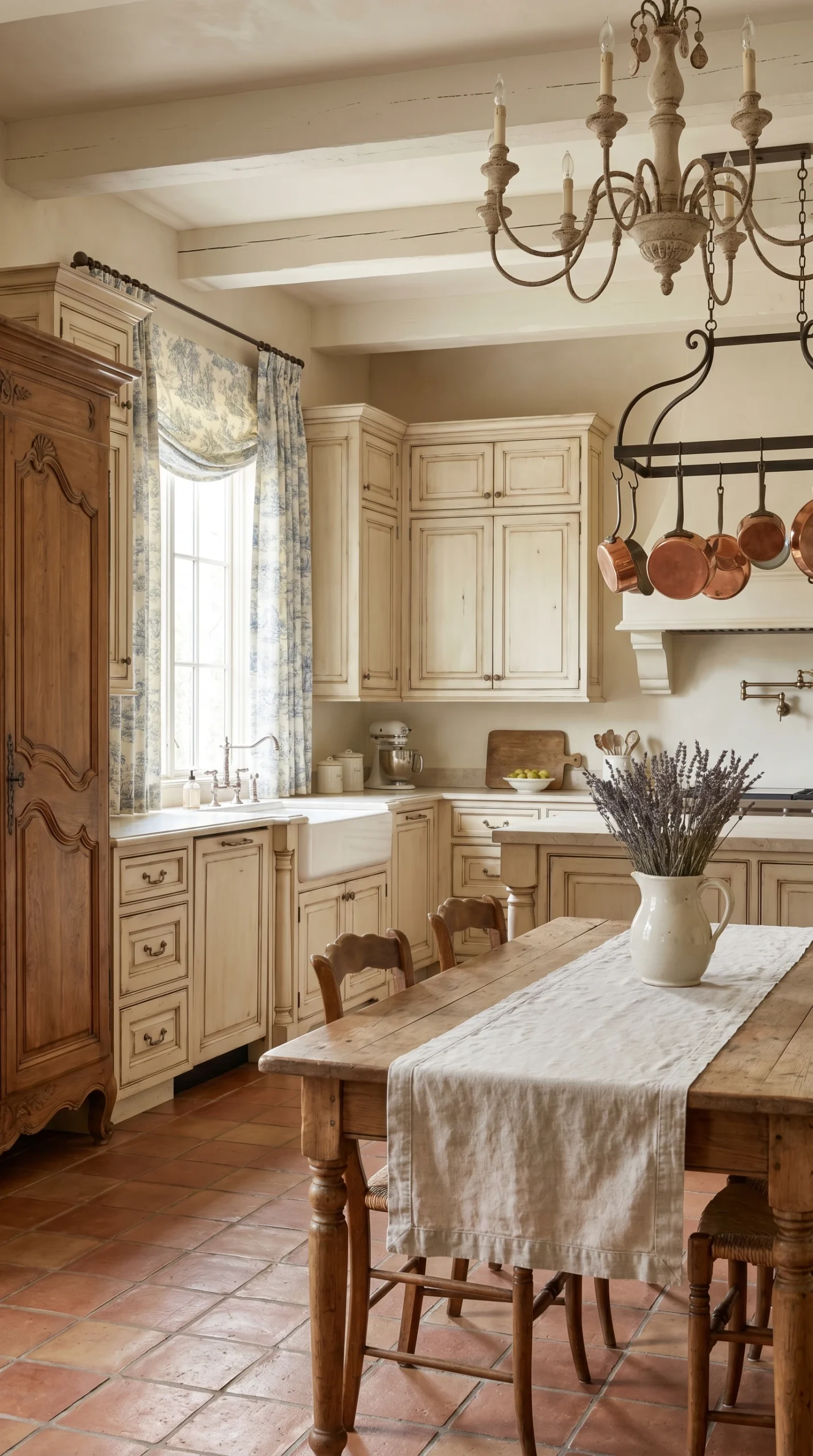
How to Achieve French Country Style
Choose furniture with curved lines and carved details, but in distressed finishes rather than formal glossy woods.
Incorporate toile fabrics in upholstery, curtains, or bedding for a classic French pattern.
Add rustic elements like exposed beams, stone floors, or terracotta tiles to balance the elegant details.
Display French-inspired items: wire baskets, enamelware, vintage French signs, lavender bundles, and ceramic pitchers.
16. Shabby Chic Interior Design
Shabby chic embraces vintage charm, distressed finishes, and romantic details through soft colors, feminine touches, and weathered furniture that looks loved and lived-in.
Key Characteristics
- Distressed white furniture with intentionally worn paint revealing wood underneath creates the signature shabby chic look.
- Soft pastel colors like pale pink, baby blue, mint green, and lavender create gentle, romantic palettes.
- Vintage textiles, including lace, crochet, ruffles, and floral fabrics, add feminine softness.
- Ornate furniture with curved lines, decorative details, and vintage silhouettes, but in casual finishes rather than formal polish.
- Flea market finds and vintage treasures are essential, whether original antiques or distressed reproductions.
- Romantic accessories like chandeliers, mirrors, vintage frames, and decorative objects complete the look.
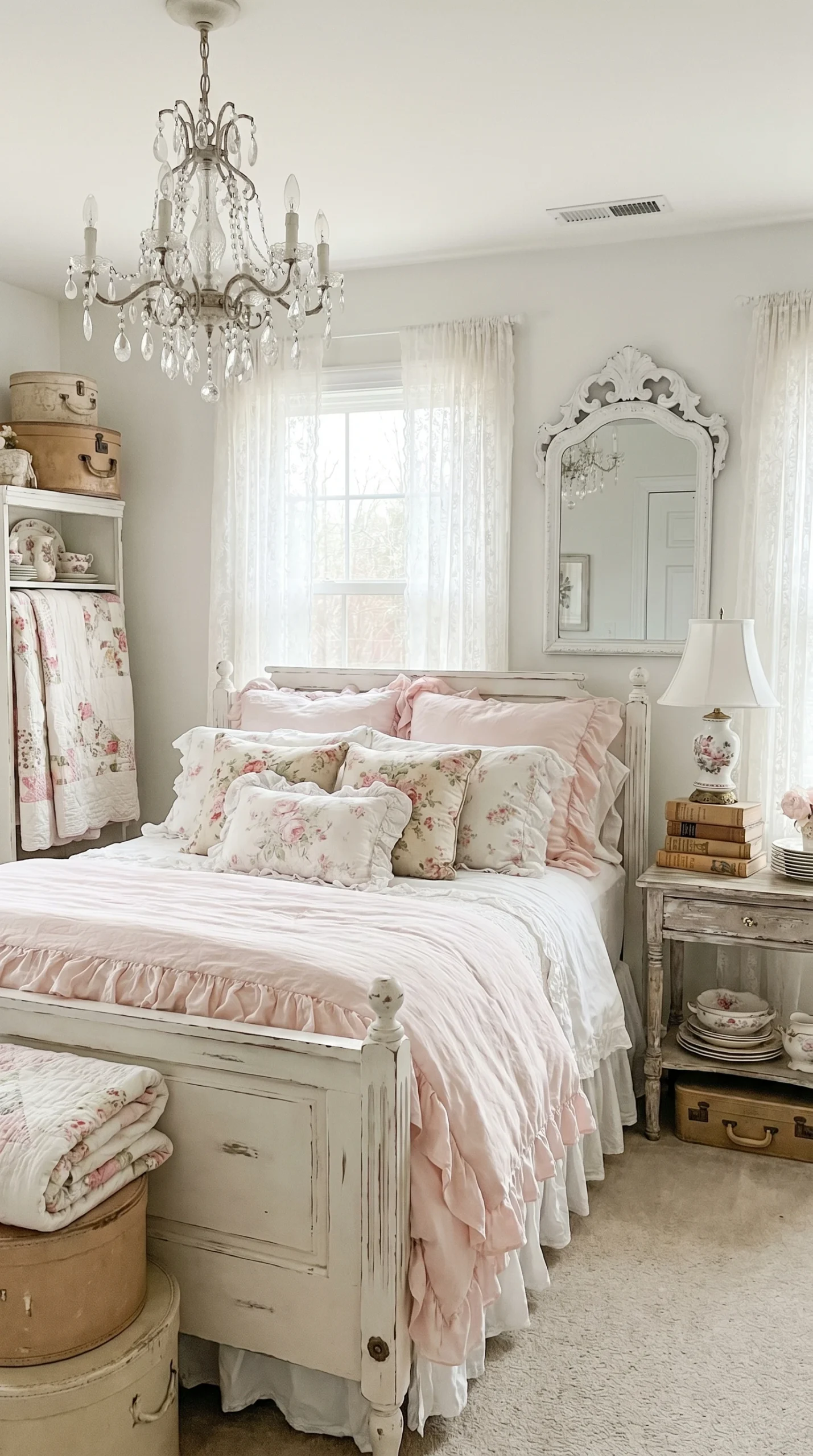
How to Achieve Shabby Chic Style
Distress furniture yourself by sanding edges and layers of paint to create worn, aged effects.
Layer soft textiles in whites and pastels: white slipcovers, ruffled pillows, vintage quilts, and lace curtains.
Mix ornate vintage pieces with casual comfort: a crystal chandelier over a distressed farmhouse table exemplifies the style.
Display vintage collections: old books, antique china, vintage bottles, or floral teacups in glass-front cabinets or open shelves.
17. Cottage Interior Design
Cottage style evokes cozy, charming spaces inspired by English country cottages, featuring comfortable furnishings, floral patterns, and quaint accessories that create welcoming homes.
Key Characteristics
- Cozy, comfortable furniture with overstuffed cushions, skirted sofas, and plump pillows invites relaxation.
- Floral patterns appear abundantly in fabrics, wallpapers, and china, often in English garden-inspired motifs.
- Vintage and antique pieces mix freely, creating collected-over-time aesthetics with personal character.
- Warm, inviting colors include soft yellows, rosy pinks, sky blues, sage greens, and warm whites.
- Wood beams and paneling add architectural charm and cottage character to ceilings and walls.
- Garden-inspired elements like fresh flowers, botanical prints, and floral ceramics bring outdoor beauty inside.
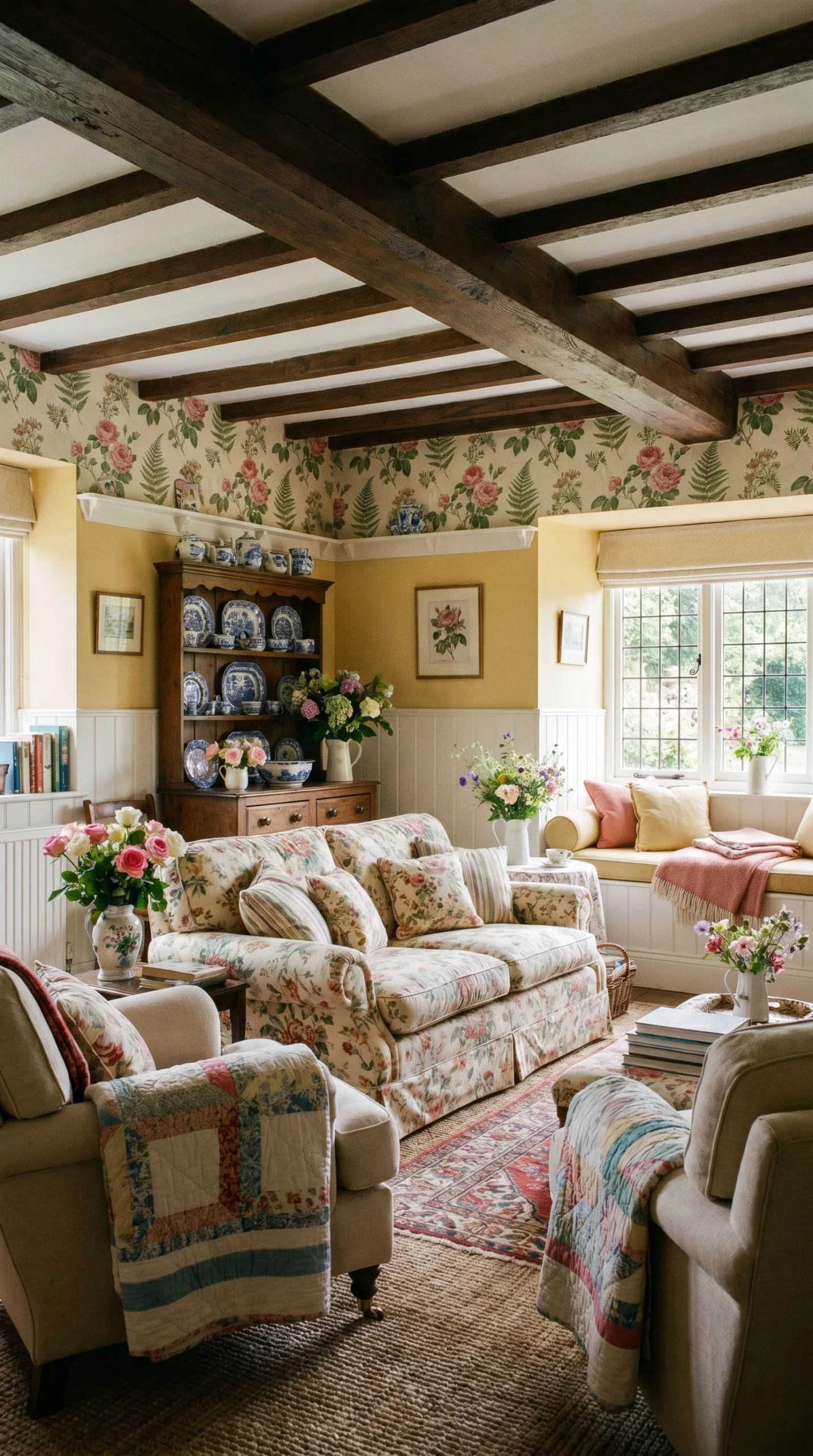
How to Achieve Cottage Style
Choose comfortable, skirted furniture in floral or striped fabrics that feels inviting rather than formal.
Layer patterns freely: floral curtains with striped pillows and checked upholstery create cottage exuberance.
Add architectural details like wainscoting, window seats, or built-in shelving that suggest historic cottage charm.
Display collections of vintage china, teacups, botanicals, or cottage-style accessories on open shelves or in glass-front cabinets.
18. Art Deco Interior Design
Art Deco emerged in the 1920s-1930s, characterized by glamorous style, geometric patterns, luxurious materials, and bold colors that celebrate opulence and modernity.
Key Characteristics
- Geometric patterns in chevrons, zigzags, sunbursts, stepped forms, and angular shapes define Art Deco motifs.
- Luxurious materials, including marble, lacquer, exotic woods, chrome, glass, and mirrored surfaces, create sophisticated glamour.
- Bold, rich colors like black, gold, emerald green, sapphire blue, burgundy, and silver form dramatic palettes.
- Streamlined furniture with geometric shapes, polished finishes, and decorative details combines luxury with modern forms.
- Metallic accents in gold, brass, chrome, or silver appear throughout in fixtures, hardware, and accessories.
- Glamorous lighting features crystal chandeliers, geometric fixtures, and sculptural lamps that make bold statements.
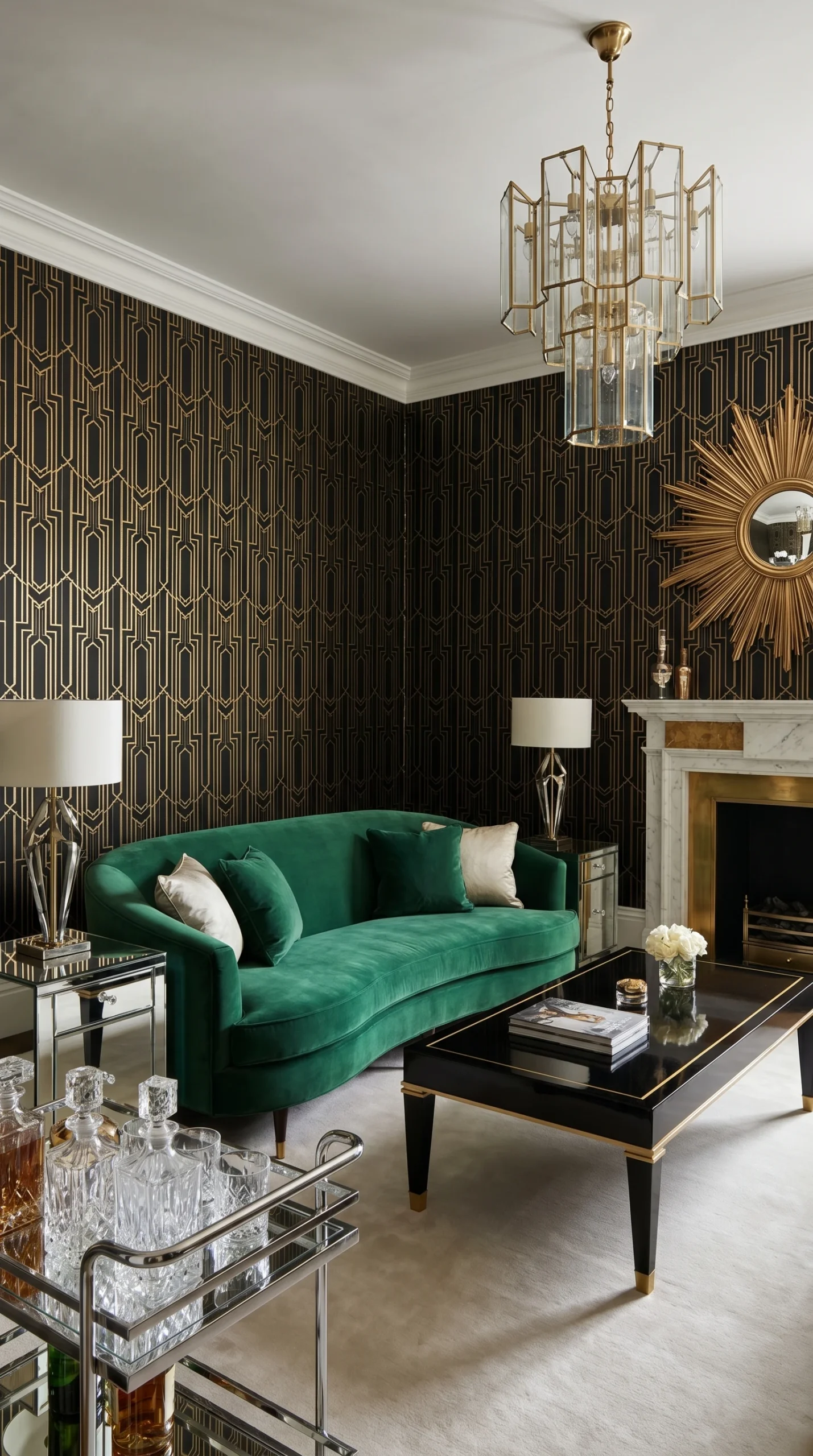
How to Achieve Art Deco Style
Incorporate geometric patterns in rugs, wallpapers, fabrics, or tile using classic Art Deco motifs.
Choose furniture with lacquered finishes, geometric shapes, and metallic accents. A bar cart with mirrored shelves and a gold frame is quintessentially Art Deco.
Add mirrored and metallic surfaces through mirrored furniture, metallic wallpaper, or chrome accessories.
Select bold color combinations: black and gold, emerald and brass, or navy and silver for dramatic impact.
19. Hollywood Regency Interior Design
Hollywood Regency combines glamour, luxury, and drama inspired by Golden Age Hollywood, featuring bold patterns, metallic finishes, and theatrical flair.
Key Characteristics
- Bold patterns and high contrast create visual drama through black and white, animal prints, or graphic geometrics.
- Luxe materials like velvet, silk, lacquer, lucite, mirrored surfaces, and metallic finishes exude glamour.
- Dramatic lighting includes oversized chandeliers, sculptural fixtures, and glamorous lamps that serve as jewelry for rooms.
- Plush, tufted furniture with curved silhouettes and luxurious upholstery creates comfortable opulence.
- Mirrored furniture and metallic accents in gold, brass, or silver add Hollywood sparkle.
- Bold color palettes often feature jewel tones, black and white, or saturated colors with metallic highlights.
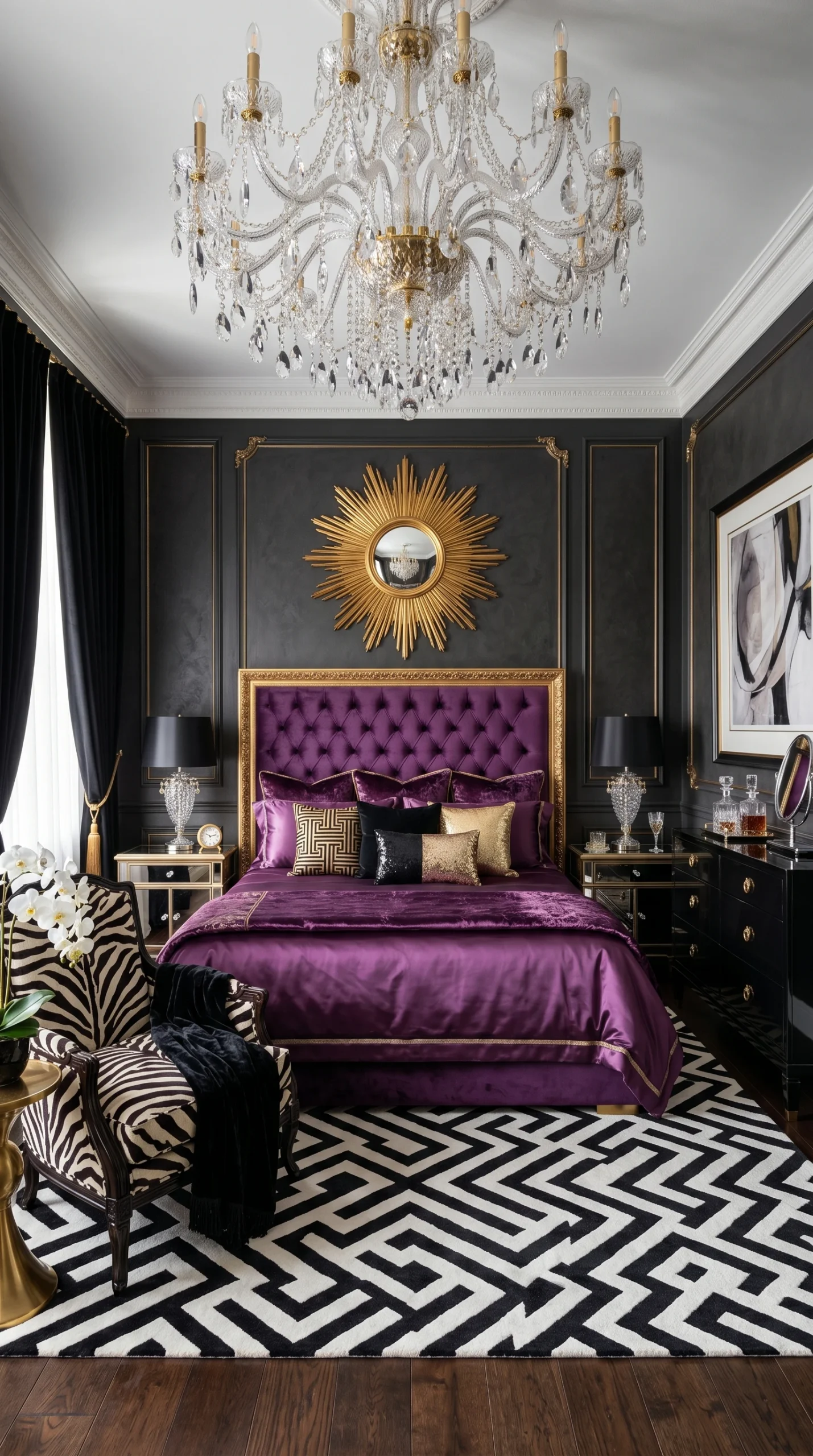
How to Achieve Hollywood Regency Style
Incorporate one bold pattern: zebra print rug, geometric wallpaper, or graphic fabric as a statement element.
Choose luxurious furniture with tufted velvet upholstery, curved shapes, and metallic legs or trim.
Add mirrored furniture like a mirrored dresser, a mirrored coffee table, or mirrored nightstands for glamorous shine.
Install dramatic lighting: an oversized chandelier, sculptural floor lamp, or glamorous sconces that command attention.
20. Eclectic Interior Design
Eclectic style artfully combines elements from various styles, periods, and cultures, creating unique spaces that reflect personal taste and creative vision rather than design rules.
Key Characteristics
- Mixed styles and periods bring together modern, vintage, traditional, and global elements in cohesive combinations.
- Bold color and pattern mixing layers different prints, textures, and hues with confident abandon.
- Varied textures combine smooth, rough, soft, hard, shiny, and matte surfaces for dimensional richness.
- Personal collections and meaningful objects from travels, flea markets, or family history create individual character.
- Unexpected combinations pair unlikely elements successfully: antique chair with modern table, Persian rug with contemporary sofa.
- Cohesive thread ties disparate elements together through repeated colors, similar scale, or shared aesthetic sensibility.
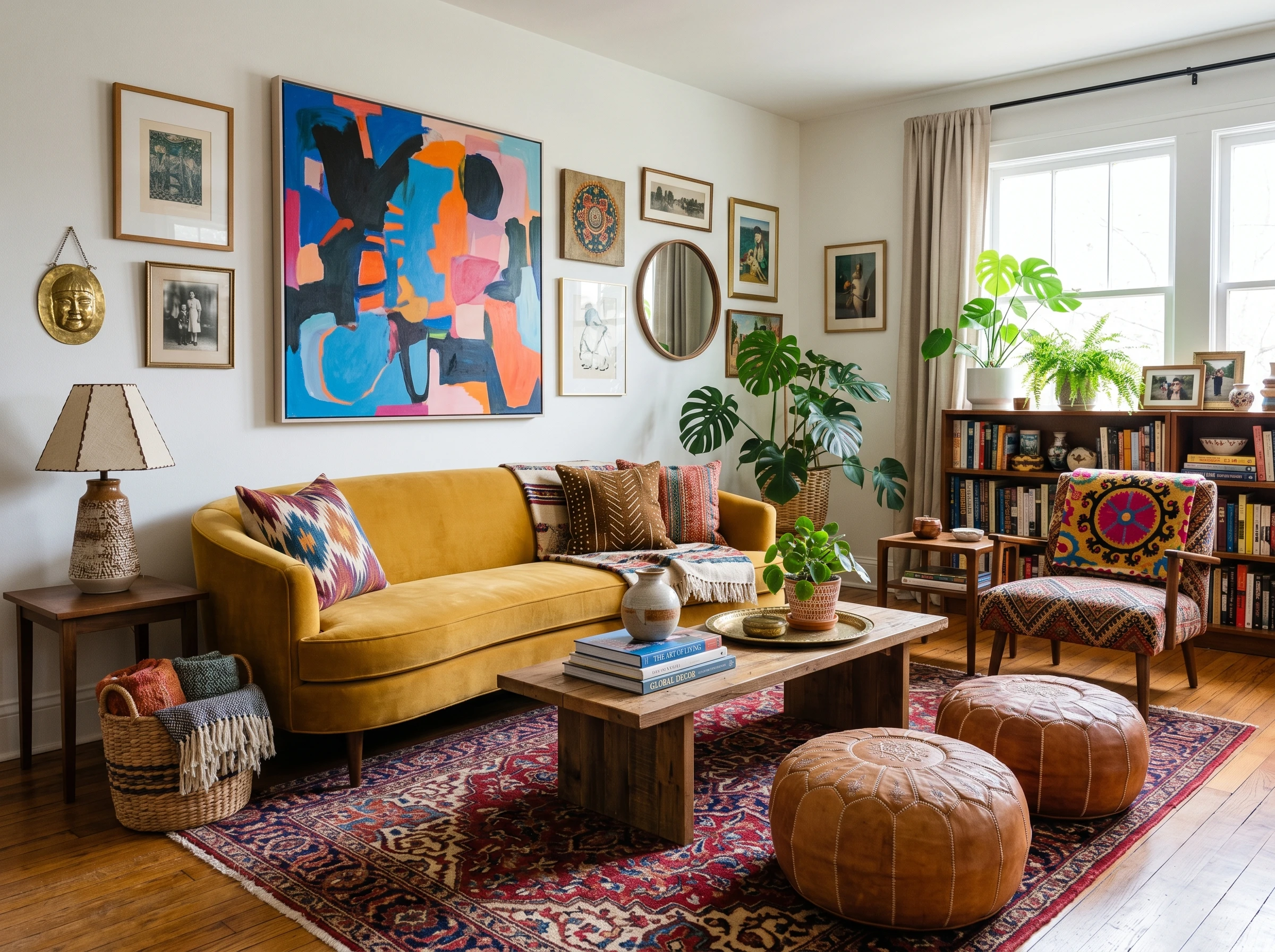
How to Achieve Eclectic Style
Start with a unifying element: a color palette, repeated material, or common aesthetic thread that connects diverse pieces.
Mix furniture styles confidently: mid-century sideboard, antique dining chairs, contemporary sofa, and global accessories can work beautifully together.
Layer patterns and textures abundantly, ensuring they share some colors for cohesion amid variety.
Display personal collections and meaningful objects rather than generic décor, letting your unique story emerge.
21. Tropical Interior Design
Tropical style brings vacation vibes home through lush greenery, natural materials, bright colors, and island-inspired elements that create relaxed, exotic atmospheres.
Key Characteristics
- Abundant greenery with large-leaf tropical plants like monstera, palm, banana leaf, and bird of paradise creates a jungle-like abundance.
- Natural materials, including bamboo, rattan, wicker, teak, jute, and hemp, reference island living.
- Bright, vibrant colors like coral, turquoise, lime green, sunshine yellow, and hot pink energize spaces.
- Botanical patterns featuring palm fronds, tropical flowers, banana leaves, and exotic birds appear in fabrics and wallpapers.
- Indoor-outdoor connection blurs boundaries through large windows, natural ventilation, and seamless transitions to outdoor spaces.
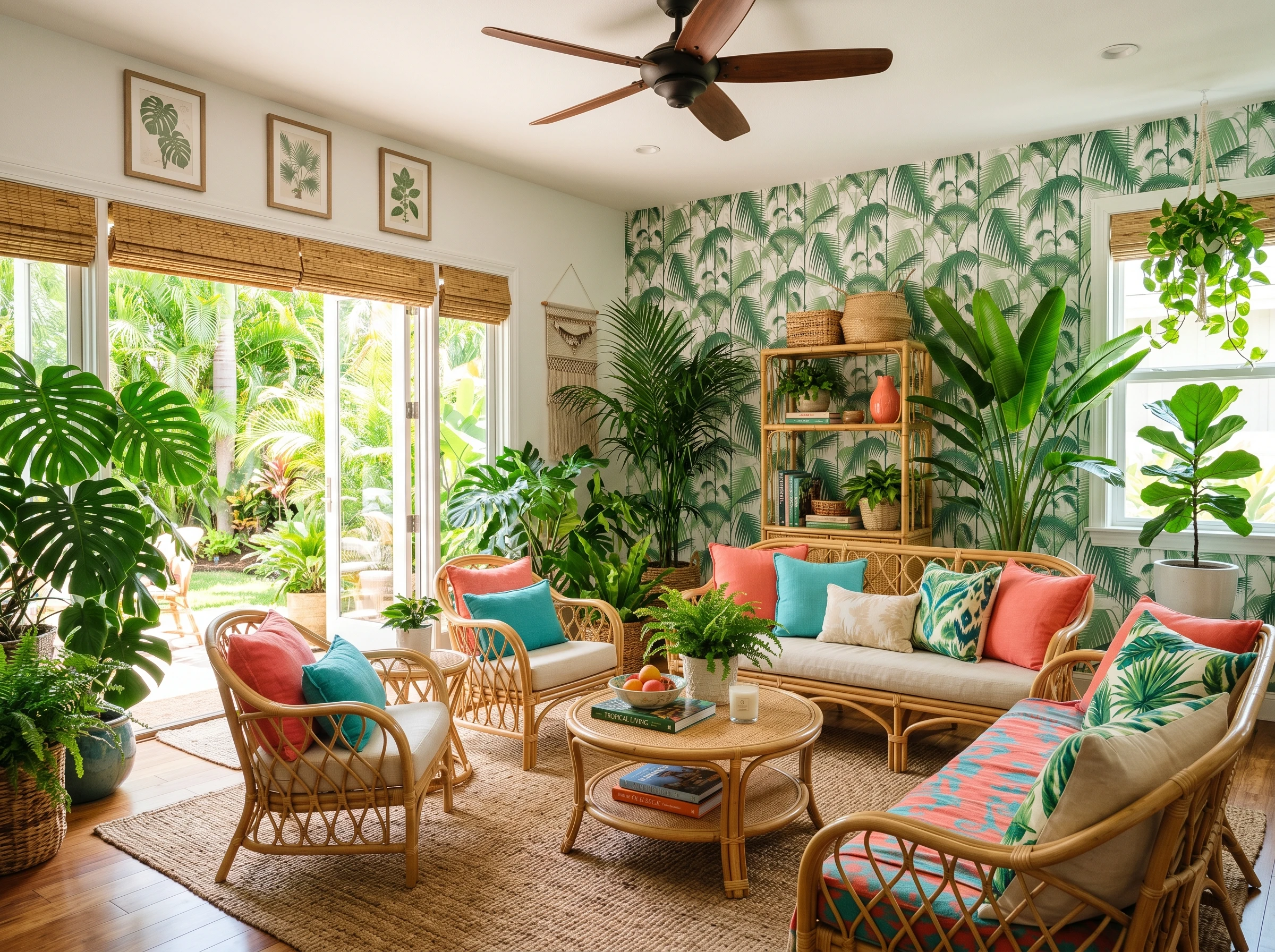
How to Achieve Tropical Style
Fill spaces with tropical plants in various sizes, creating lush, layered greenery throughout rooms.
Choose furniture in natural materials like rattan chairs, bamboo tables, wicker baskets, and teak accents.
Add tropical patterns through palm print pillows, botanical wallpaper, or tropical-themed artwork.
Use bright accent colors against neutral backgrounds: white walls with turquoise, coral, and green accessories.
22. Asian Zen Interior Design
Asian Zen style creates peaceful, meditative spaces through minimalism, natural materials, neutral palettes, and Eastern design principles that promote tranquility and balance.
Key Characteristics
- A minimalist approach eliminates clutter and excess, keeping only essential, meaningful elements.
- Natural materials like wood, bamboo, stone, rice paper, and natural fibers connect spaces to nature.
- Low-profile furniture, including platform beds, low tables, and floor cushions, references traditional Asian design.
- Neutral, earthy colors in beiges, browns, grays, and greens create calm, harmonious palettes.
- Natural light and paper lanterns provide soft, diffused illumination that supports peaceful atmospheres.
- Symbolic elements like bamboo, water features, stones, or bonsai add meaning and connection to nature.
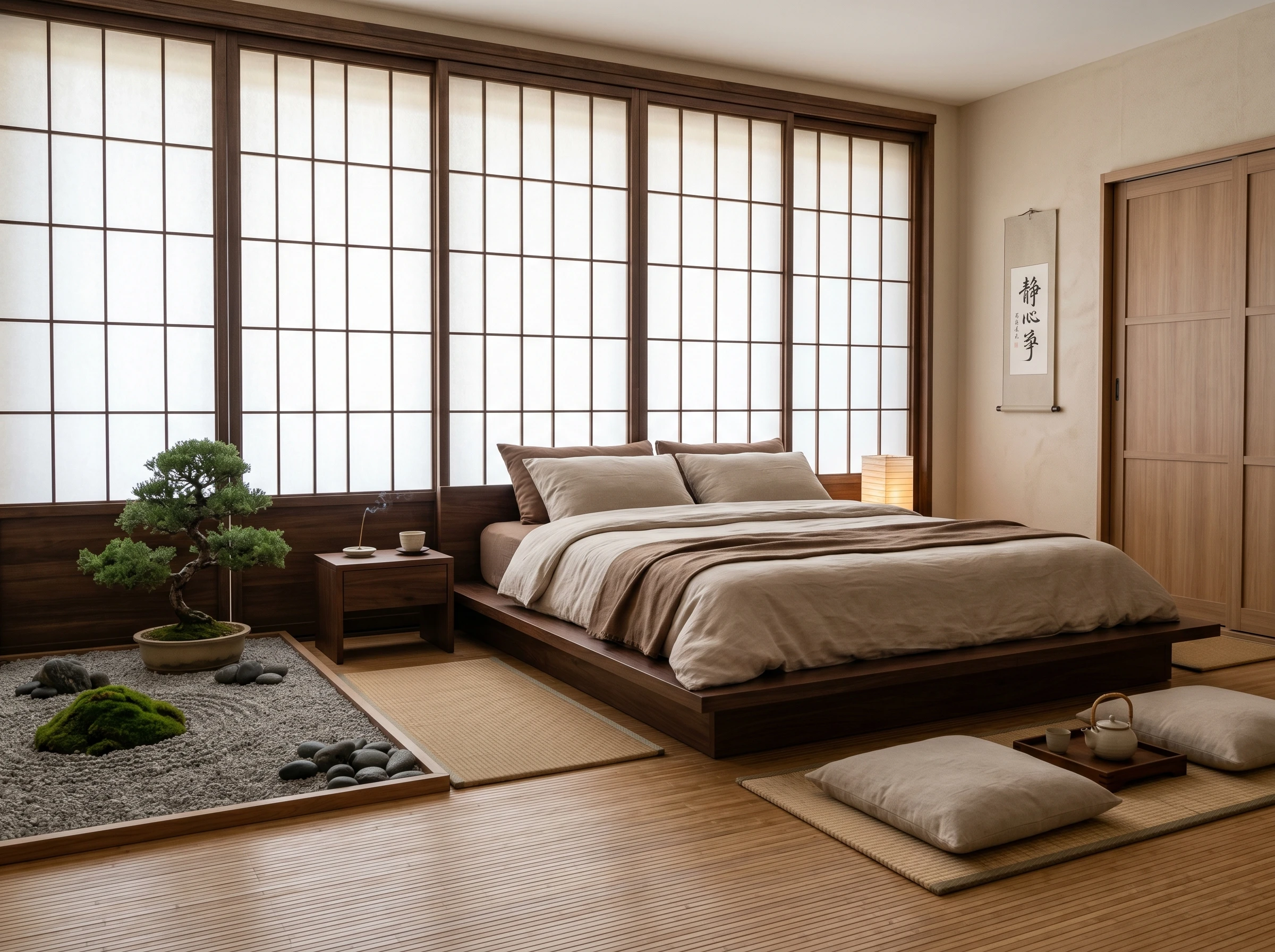
How to Achieve Asian Zen Style
Embrace minimalism by removing unnecessary items and displaying only carefully chosen objects with purpose or meaning.
Choose low-profile furniture in dark wood or bamboo with clean, simple lines.
Incorporate natural elements: a small indoor fountain, bamboo screen, stone garden, or bonsai tree.
Use shoji screens or rice paper panels as room dividers or window treatments for soft light diffusion.
23. Maximalist Interior Design
Maximalism celebrates more and more, embracing abundance, bold color, pattern mixing, and collected treasures to create visually rich, personality-packed spaces.
Key Characteristics
- Bold, saturated colors layer multiple hues without hesitation, creating vibrant, energetic palettes.
- Pattern on pattern mixes florals, geometrics, stripes, abstracts, and ethnic prints in fearless combinations.
- Layered textures combine velvet, silk, leather, metal, wood, glass, and countless other materials.
- Abundant accessories fill walls, shelves, and surfaces with art, collections, books, and meaningful objects.
- Curated collections display personal treasures, vintage finds, travel souvenirs, and unique pieces that tell stories.
- The mix of styles combines different periods, aesthetics, and influences in exuberant harmony.
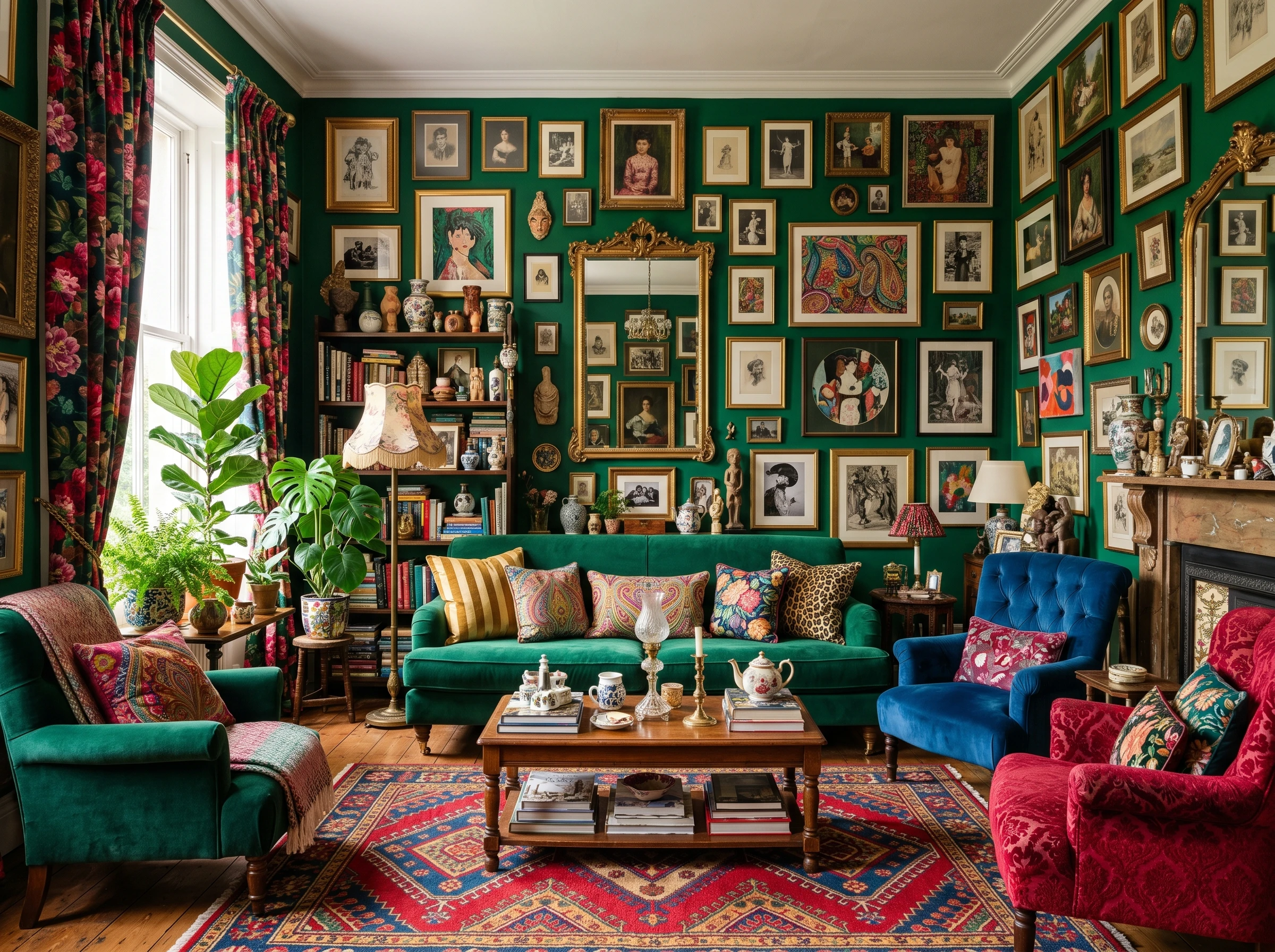
How to Achieve Maximalist Style
Start with bold wall color or dramatic wallpaper to establish confidence from the beginning.
Layer multiple patterns in coordinating colors: use a shared color palette to unify diverse prints.
Fill walls with art, mirrors, collections, and decorative objects in gallery-style arrangements.
Mix furniture styles freely: vintage, modern, global, and eclectic pieces all coexist in maximalist spaces.
24. Japandi Interior Design
Japandi blends Japanese and Scandinavian design principles, combining Japanese minimalism and craftsmanship with Scandinavian functionality and warmth for serene, balanced spaces.
Key Characteristics
- The minimalist aesthetic maintains clean lines and uncluttered spaces from both Japanese and Scandinavian traditions.
- Natural materials, including light woods, bamboo, linen, cotton, and clay, create organic warmth.
- Neutral color palettes feature whites, beiges, soft grays, and muted greens with occasional black accents.
- Functional furniture with simple lines and quality craftsmanship serves a purpose while looking beautiful.
- Wabi-sabi philosophy embraces imperfection, natural aging, and handmade qualities in objects and materials.
- Hygge meets zen combines Scandinavian coziness with Japanese tranquility for comfortable minimalism.
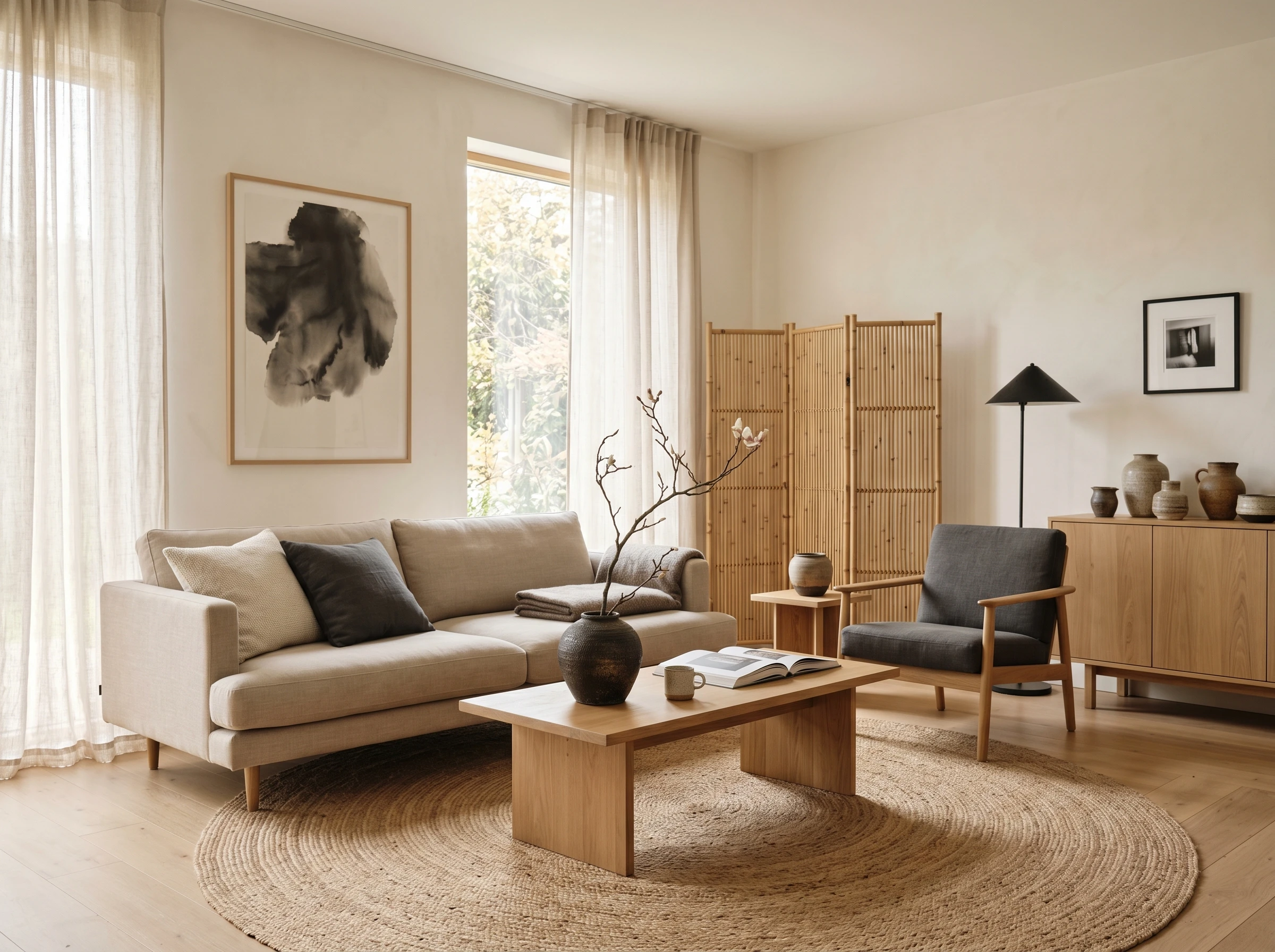
How to Achieve Japandi Style
Choose furniture in light wood with simple, clean lines that could work in either a Japanese or Scandinavian context.
Keep the color palette to neutrals with natural materials providing textural interest rather than color variety.
Incorporate handmade and artisan pieces that show human touch and natural imperfection.
Layer natural textiles in neutral tones: linen curtains, cotton bedding, wool throws, all in complementary earth tones.
25. Southwestern Interior Design
Southwestern style draws from Native American, Spanish Colonial, and Mexican influences, featuring warm earth tones, natural materials, and handcrafted elements that evoke the American Southwest.
Key Characteristics
- Warm, earthy colors, including terracotta, adobe, turquoise, rust, sage, and sand, reflect desert landscapes.
- Natural materials like adobe, wood beams, leather, wool, and clay create authentic character.
- Handcrafted elements, including Native American textiles, pottery, woven baskets, and hand-carved furniture showcase artisan traditions.
- Spanish Colonial influences appear through arched doorways, tile work, wrought iron, and rustic wood furniture.
- Tribal patterns in geometric designs, Native American motifs, and bold prints add visual interest.
- Rustic textures combine rough plaster walls, exposed wood beams, stone floors, and woven textiles.
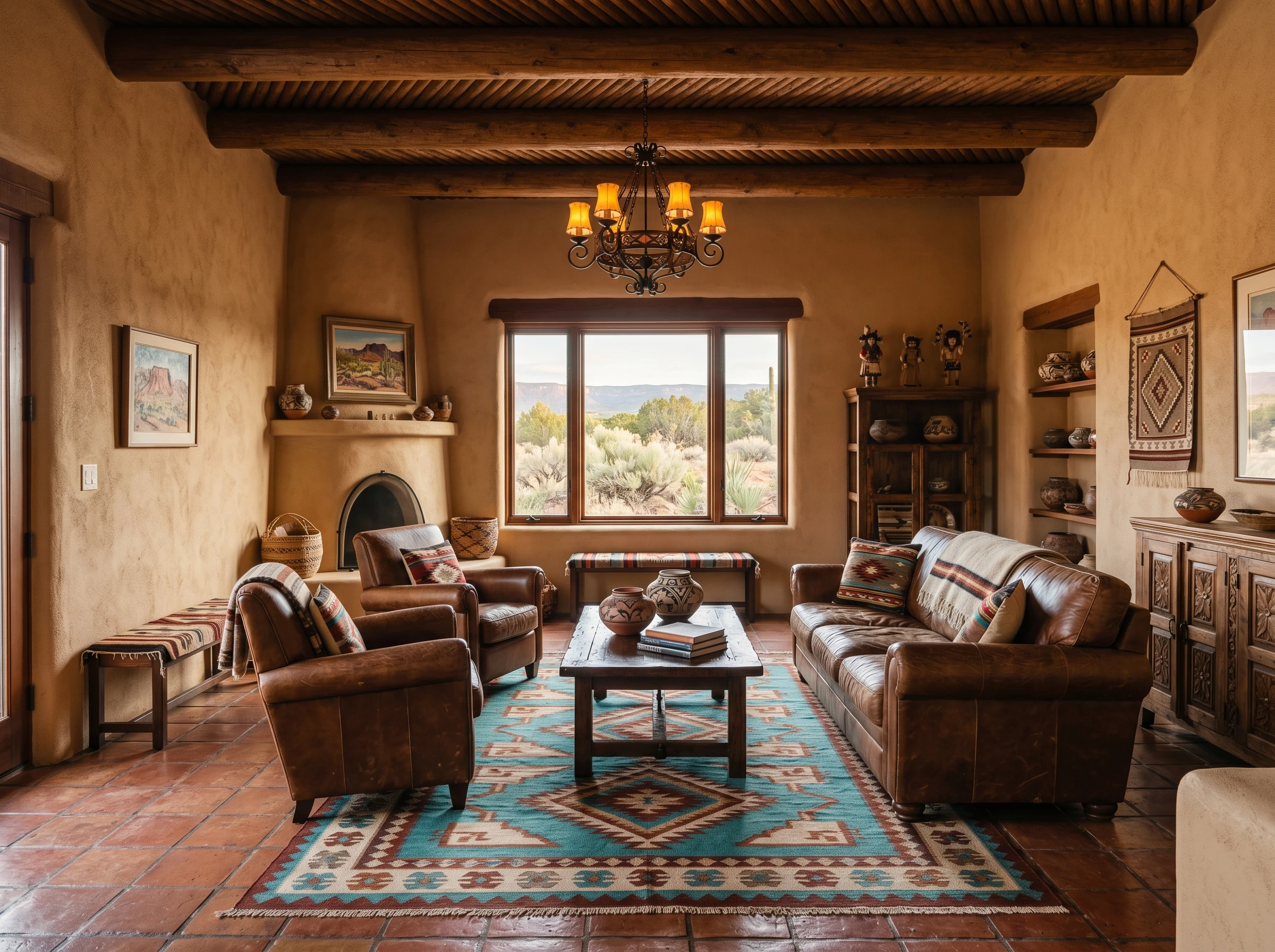
How to Achieve Southwestern Style
Paint walls in warm earth tones or use textured plaster finishes that suggest adobe construction.
Incorporate wood beams (exposed or added) and wrought iron fixtures for architectural authenticity.
Add Native American textiles: Navajo rugs, woven blankets, and geometric pillows in traditional patterns.
Display handcrafted pottery, woven baskets, carved wood pieces, and turquoise jewelry as decorative elements.
26. Glamorous Interior Design
Glamorous style (also called Hollywood Glam or Luxe) emphasizes opulence, elegance, and sophisticated luxury through rich materials, metallic finishes, and statement pieces that create dramatic impact.
Key Characteristics
- Luxurious materials, including velvet, silk, satin, marble, crystal, and polished metals, create sumptuous surfaces.
- Metallic finishes in gold, silver, brass, or chrome add glamorous shine throughout spaces.
- Rich, jewel-tone colors like emerald, sapphire, amethyst, ruby, and gold create luxurious palettes.
- Statement lighting features crystal chandeliers, dramatic pendants, or sculptural fixtures that serve as jewelry for rooms.
- Tufted and upholstered furniture with deep button tufting, nailhead trim, and luxe fabrics exudes elegance.
- Mirrored and reflective surfaces amplify light and space while adding glamorous sparkle.
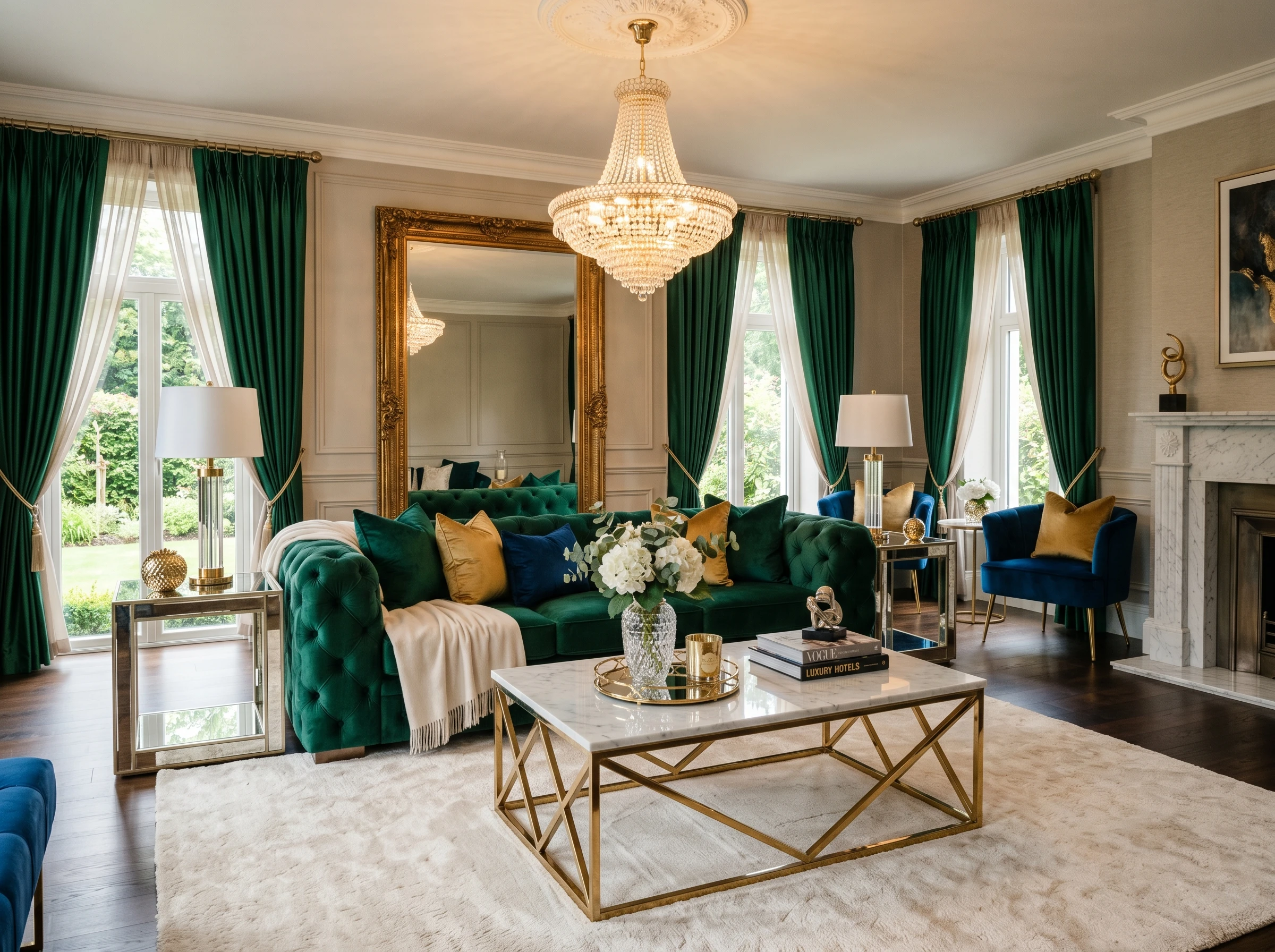
How to Achieve Glamorous Style
Invest in statement furniture: a tufted velvet sofa, mirrored console, or marble coffee table establishes a glamorous tone.
Layer metallic accents throughout: gold picture frames, brass lamps, silver accessories, chrome hardware.
Choose luxurious fabrics: velvet curtains, silk pillows, satin bedding, plush area rugs.
Add crystal and glass elements: chandelier, glass vases, mirrored trays, and crystal candlesticks.
27. Urban Modern Interior Design
Urban modern (or Urban Contemporary) reflects city living through sleek design, industrial elements, efficient use of space, and contemporary aesthetics suited to loft apartments and urban homes.
Key Characteristics
- Clean, streamlined furniture with minimal ornamentation fits compact urban spaces efficiently.
- Industrial elements, including exposed brick, concrete, metal, and ductwork, reference urban architecture.
- Neutral palettes with bold accents create sophisticated backgrounds for city living.
- Multi-functional furniture maximizes limited space through convertible pieces and smart storage.
- Contemporary art and photography reflecting urban life and modern aesthetics decorate walls.
- Technology integration accommodates modern urban lifestyles through built-in charging, smart home features, and hidden tech.
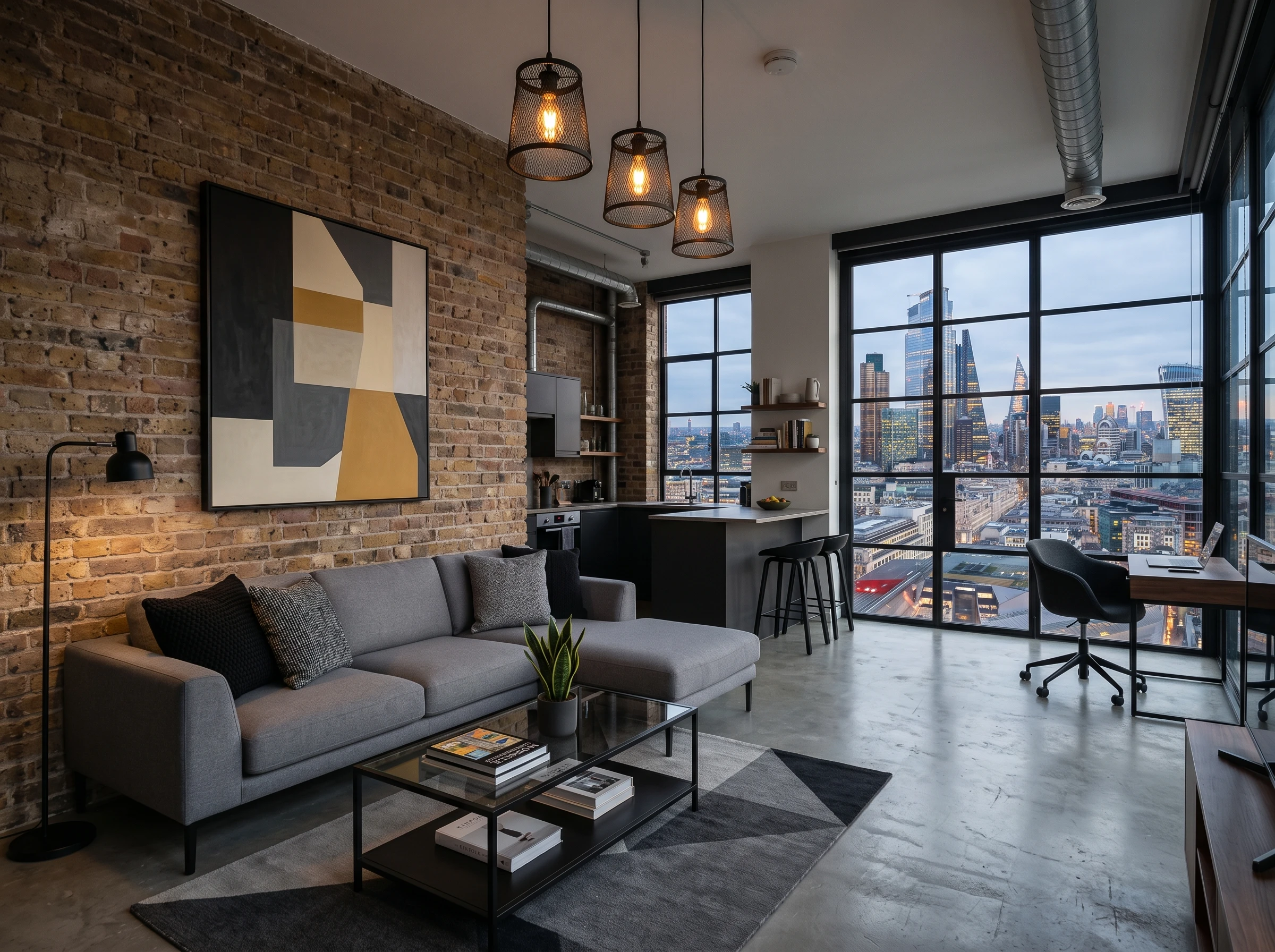
How to Achieve Urban Modern Style
Choose furniture with clean lines and compact footprints suitable for urban apartments.
Expose architectural elements: brick walls, concrete floors, pipes, and beams that reference urban industrial heritage.
Add contemporary art: photography, abstract paintings, sculptures that reflect city culture.
Incorporate multi-functional pieces: storage ottomans, wall beds, expandable tables, and modular shelving.
28. Victorian Interior Design
Victorian style references the ornate, decorative aesthetic of the Victorian era (1837-1901), characterized by rich colors, heavy furniture, ornate details, and layered textures that create formal elegance.
Key Characteristics
- Dark, rich colors, including burgundy, forest green, deep purple, navy, and gold, create dramatic palettes.
- Ornate furniture with carved details, curved lines, dark woods, and elaborate embellishments showcases craftsmanship.
- Heavy, layered textiles feature velvet drapes, brocade upholstery, tasseled trims, and elaborate window treatments.
- Wallpaper and patterns in florals, damasks, stripes, and medallions cover walls and fabrics abundantly.
- Antiques and collectibles displayed on surfaces, walls, and shelves create visually rich environments.
- Ornamental details, including ceiling medallions, crown molding, wainscoting, and decorative trim, add architectural interest.
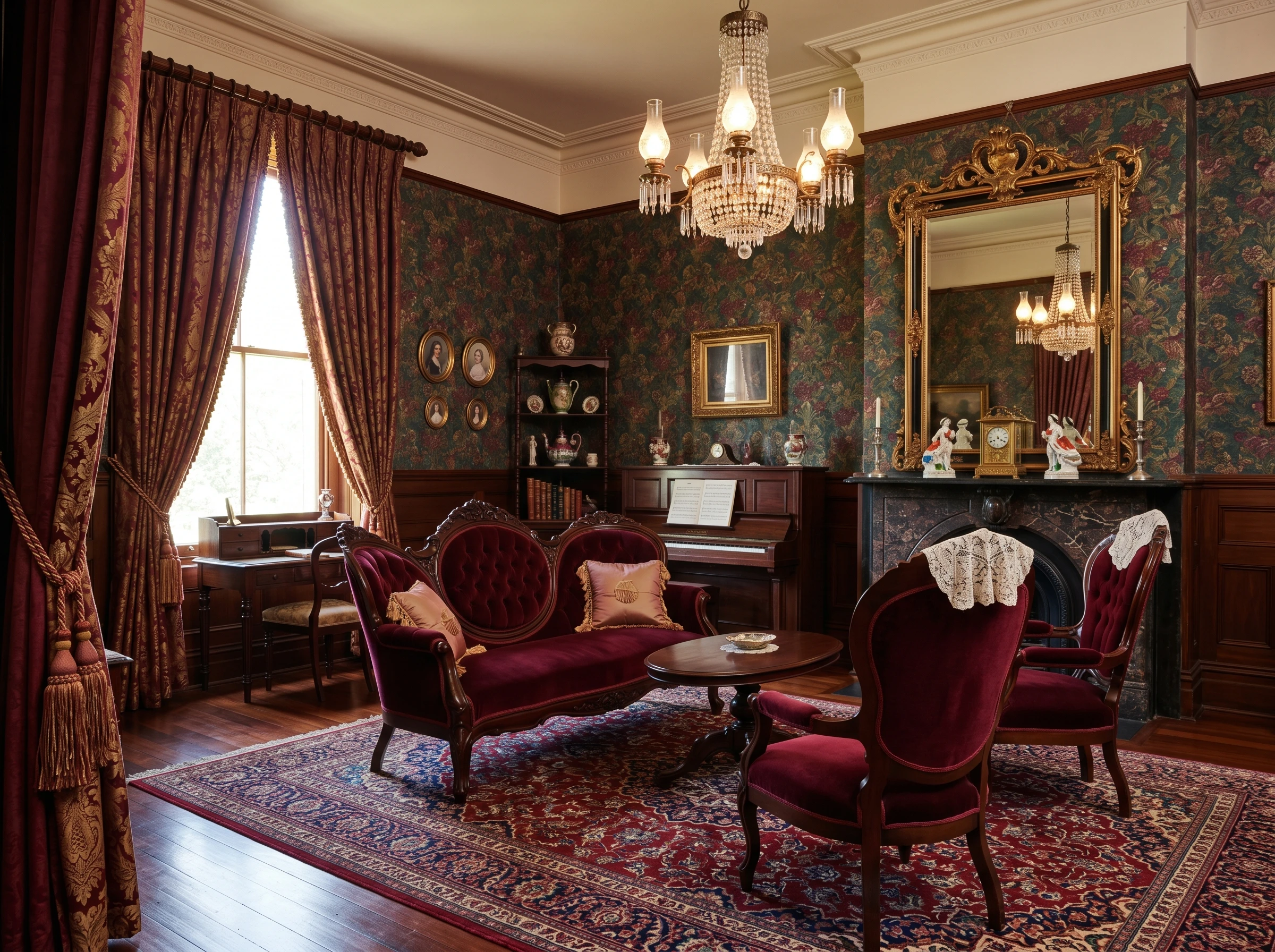
How to Achieve Victorian Style
Choose dark wood furniture with ornate carvings, curved legs, and elaborate details in mahogany or walnut.
Layer heavy textiles: velvet curtains with tasseled tiebacks, brocade pillows, Persian rugs, fringed throws.
Add wallpaper in traditional Victorian patterns: floral, damask, or striped in rich colors.
Display Victorian accessories: ornate mirrors, gilded frames, porcelain figurines, vintage books, and crystal lamps.
29. Contemporary Luxury Interior Design
Contemporary luxury combines modern design principles with high-end materials, sophisticated finishes, and cutting-edge amenities for upscale living that feels current and refined.
Key Characteristics
- High-end materials, including marble, exotic woods, premium metals, designer fabrics, and custom finishes, showcase quality.
- Sophisticated neutral palettes with rich textures create elegant yet modern atmospheres.
- Custom and designer furniture from renowned brands or bespoke pieces establishes luxury credentials.
- Integrated technology seamlessly incorporates smart home systems, hidden AV equipment, and modern conveniences.
- Statement art and sculpture from established or emerging artists serve as an investment and a focal point.
- Architectural details through custom millwork, unique materials, and sophisticated lighting design elevate spaces.
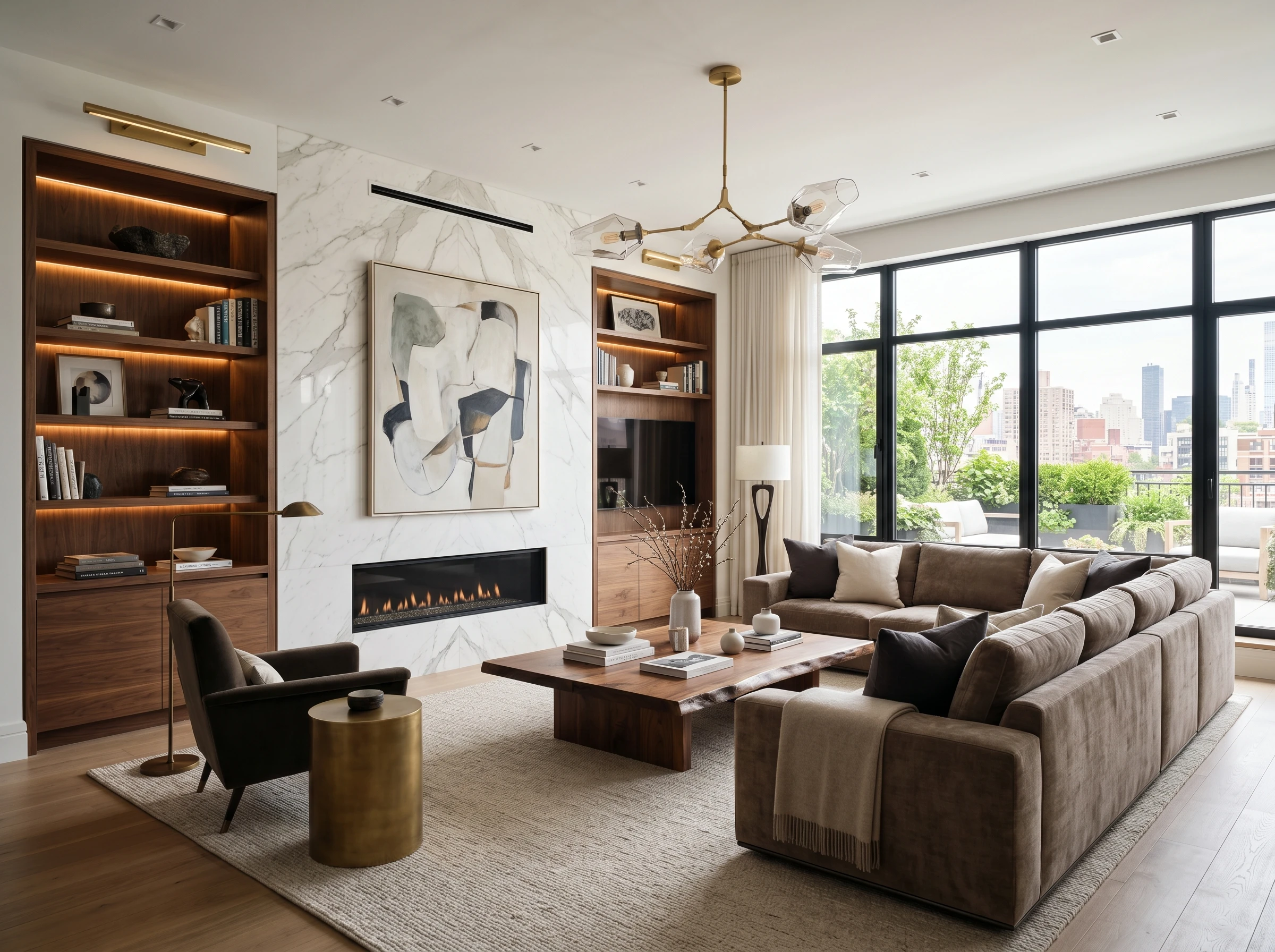
How to Achieve Contemporary Luxury Style
Invest in quality materials: marble countertops, hardwood floors, custom cabinetry, designer lighting.
Choose sophisticated color palettes: rich neutrals (taupe, charcoal, cream) with metallic accents (brass, bronze, nickel).
Select designer furniture or high-quality contemporary pieces with clean lines and luxury materials.
Commission custom elements: built-in shelving, unique headboards, bespoke storage that fit spaces perfectly.
30. Retro Interior Design
Retro design celebrates styles from the 1950s-1970s, featuring bold colors, geometric patterns, vintage-inspired furniture, and playful aesthetics that bring nostalgic charm to modern homes.
Key Characteristics
- Bold, vibrant colors like avocado green, burnt orange, mustard yellow, teal, and brown define retro palettes.
- Geometric and abstract patterns in wallpapers, fabrics, and accessories reference period design.
- Vintage-inspired furniture with tapered legs, curved shapes, and bright upholstery evokes specific decades.
- Kitschy accessories, including lava lamps, vinyl records, vintage phones, and period knick-knacks, add authentic character.
- Mixed wood tones combine teak, walnut, and lighter woods in furniture and paneling.
- A playful, optimistic vibe creates fun, energetic spaces that celebrate period aesthetics.
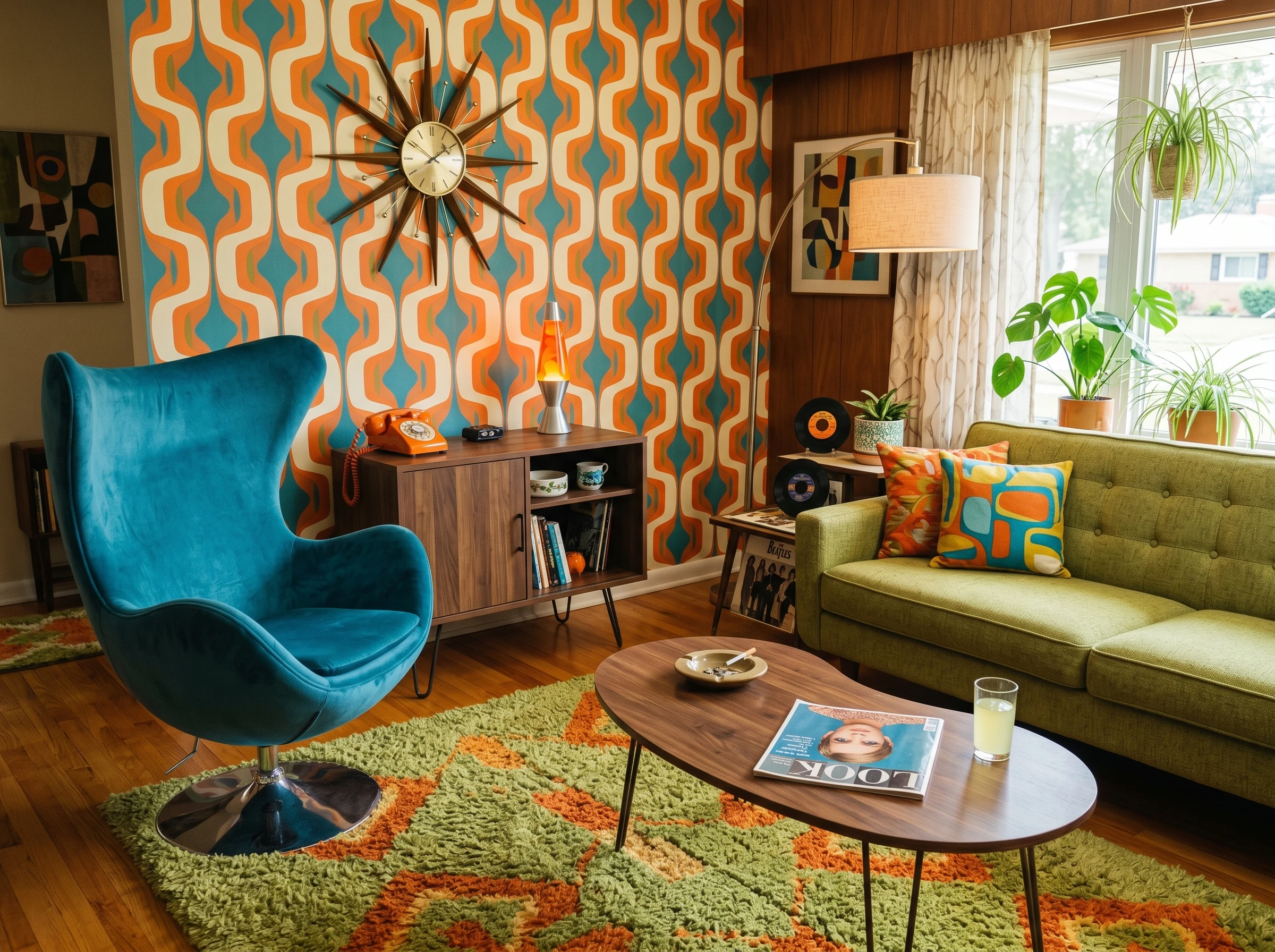
How to Achieve Retro Style
Choose furniture in iconic retro shapes: egg chairs, tulip tables, starburst clocks, and kidney-shaped coffee tables.
Incorporate period colors through accent walls, upholstery, or accessories in authentic retro hues.
Add geometric patterns via wallpaper, throw pillows, area rugs, or curtains in period-appropriate designs.
Display vintage objects: old telephones, radios, cameras, typewriters, or authentic period accessories.
31. Colonial Interior Design
Colonial style draws from the American Colonial period (1600s-1800s), featuring traditional craftsmanship, symmetrical arrangements, classic furniture, and historical details that create timeless elegance.
Key Characteristics
- Symmetrical arrangements with balanced furniture placement and paired accessories create formal order.
- Dark wood furniture in cherry, mahogany, or maple with traditional construction and classic lines.
- Traditional colors, including colonial blue, barn red, mustard yellow, cream, and forest green, reference historical palettes.
- Classic fabrics like toile, gingham, ticking stripes, and small florals appear in upholstery and window treatments.
- Wood paneling and wainscoting add historical architectural details to walls.
- Traditional accessories, including pewter, brass, copper, pottery, and folk art, complete the look.
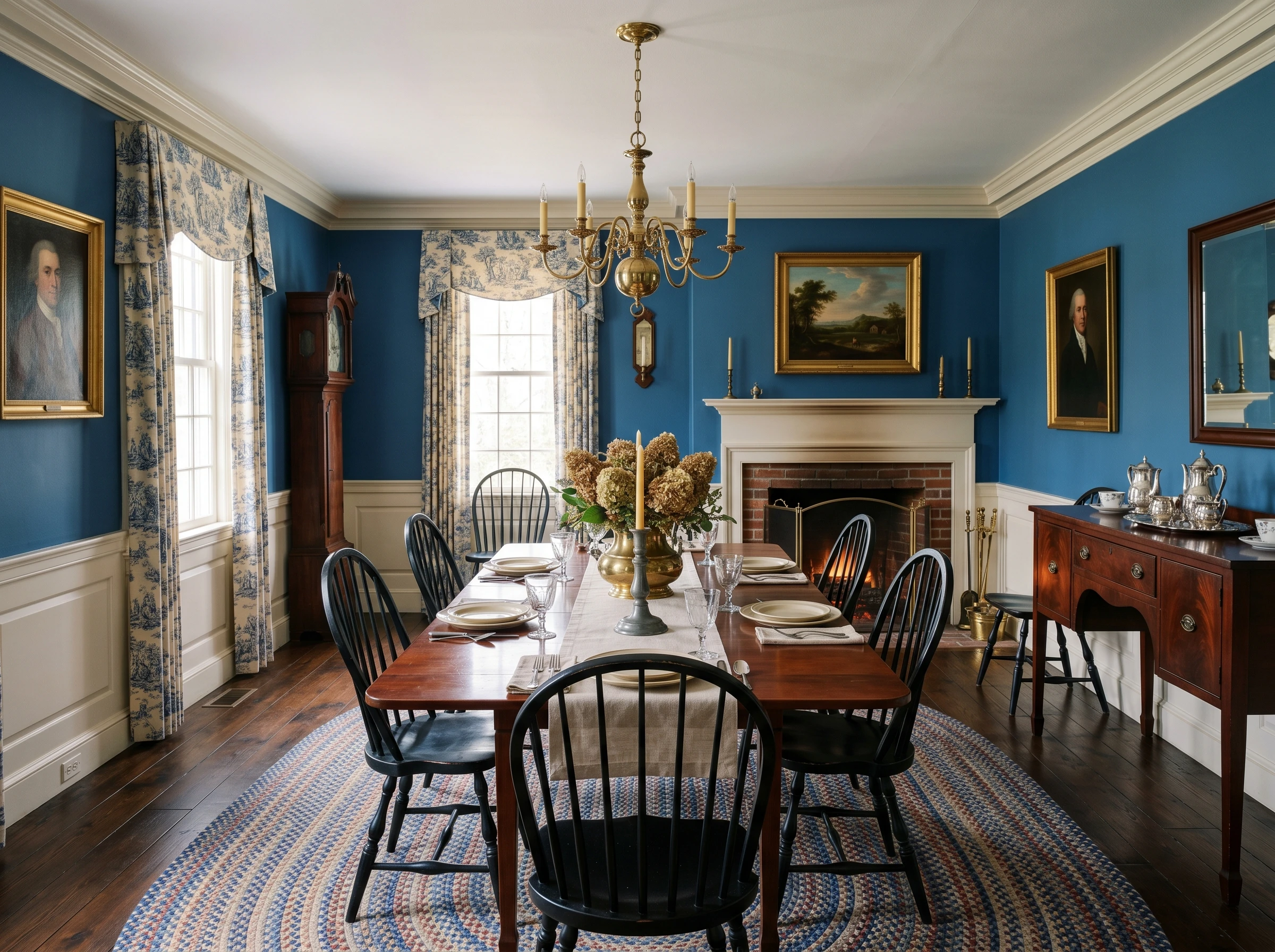
How to Achieve Colonial Style
Choose traditional wood furniture with classic lines: Windsor chairs, hutches, four-poster beds, blanket chests.
Paint walls in authentic colonial colors: deep reds, blues, greens, or warm creams.
Add wood architectural details: crown molding, chair rails, wainscoting, or wood paneling.
Incorporate traditional fabrics and patterns: toile curtains, gingham tablecloths, braided rugs, and quilts.
32. Modern Organic Interior Design
Modern organic (also called Organic Modern) blends contemporary design with natural materials, earthy colors, and biophilic elements for spaces that feel both current and connected to nature.
Key Characteristics
- Natural materials include wood, stone, linen, leather, jute, and clay in honest, minimally processed forms.
- Neutral, earthy palettes feature warm beiges, soft browns, creamy whites, muted greens, and terracotta.
- Organic shapes with curved furniture, irregular edges, natural forms, and flowing lines soften modern spaces.
- Abundant plants bring living greenery into spaces through various sizes and species.
- Textural variety layers smooth, rough, soft, and hard natural materials for dimensional interest.
- Clean lines maintain a modern aesthetic while natural elements provide warmth and character.
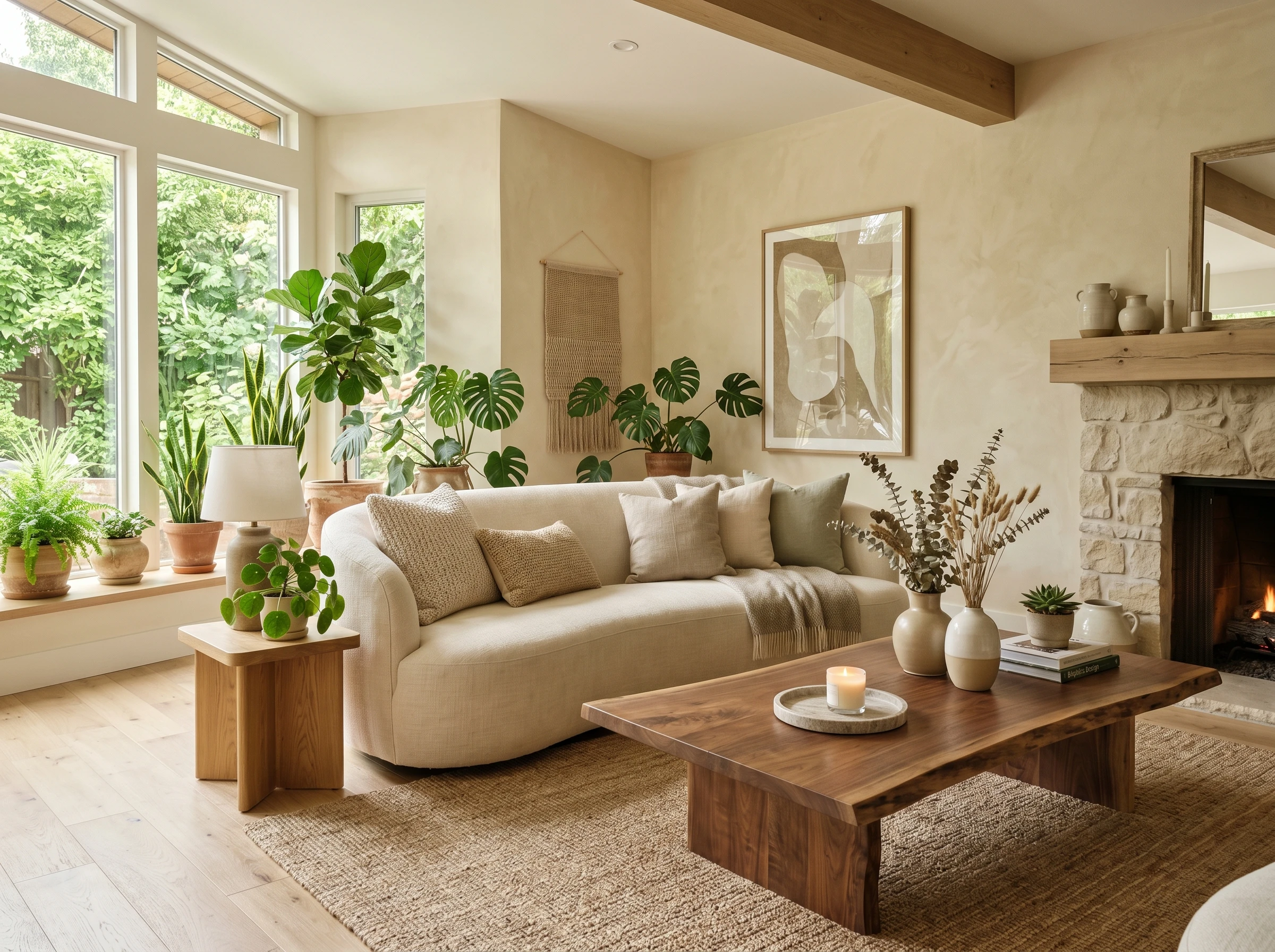
How to Achieve Modern Organic Style
Choose furniture with organic curves in natural materials: a curved sofa in linen, a live-edge wood table, leather chair.
Layer natural textures: jute rugs, linen curtains, stone accessories, ceramic vases, woven baskets.
Keep the color palette to warm neutrals and earth tones with minimal bold color.
Fill spaces with plants in natural planters (terracotta, ceramic, woven baskets).
33. Memphis Design Style
Memphis design references the radical Italian design movement from the 1980s, characterized by bold geometric shapes, bright colors, playful patterns, and unconventional forms that challenge traditional design.
Key Characteristics
- Bright, clashing colors combine neon pink, electric blue, yellow, turquoise, and black in bold combinations.
- Geometric patterns, including squiggles, triangles, circles, grids, and abstract shapes, create visual energy.
- Unconventional forms feature asymmetrical shapes, unexpected proportions, and playful design that breaks rules.
- Laminate and plastic materials embrace synthetic finishes in bright colors and bold patterns.
- Postmodern influences reject minimalism and functionalism for decorative, expressive design.
- Artistic, sculptural furniture serves as functional art rather than purely practical pieces.
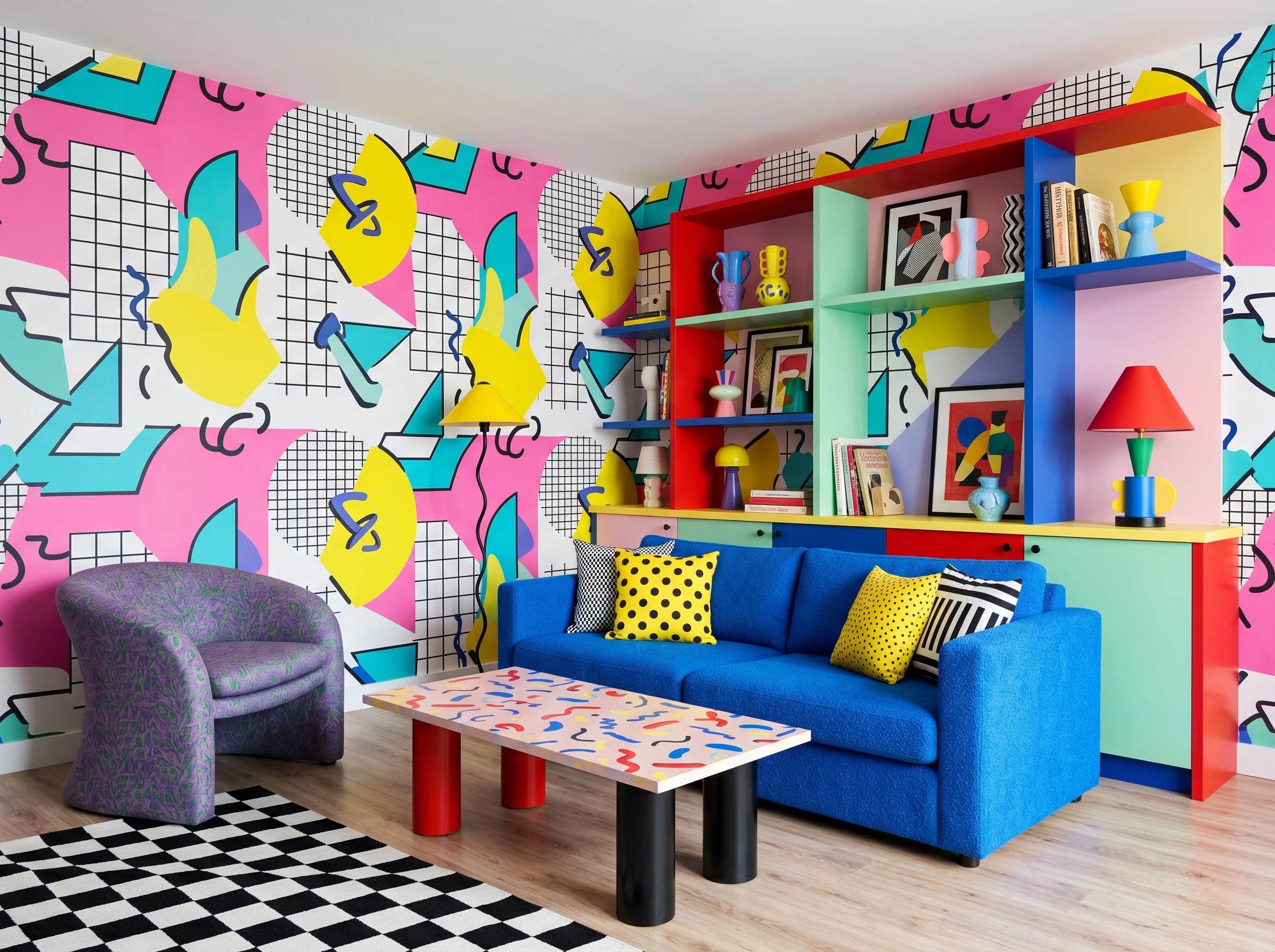
How to Achieve Memphis Style
Incorporate geometric patterns in wallpapers, textiles, or artwork using bright, contrasting colors.
Choose furniture with unusual shapes: asymmetrical shelving, curved chairs, and geometric tables in bold colors.
Mix bright, clashing colors fearlessly: pink and yellow, turquoise and orange, purple and green.
Add playful accessories: sculptural vases, geometric clocks, artistic lamps in Memphis-inspired designs.
34. English Country Interior Design
English country style evokes the charm of English countryside cottages and manor houses, featuring floral patterns, antique furniture, cozy textiles, and garden-inspired elements that create romantic, lived-in spaces.
Key Characteristics
- Floral patterns abundantly appear in chintz fabrics, wallpapers, upholstery, and accessories featuring English garden flowers.
- Antique and vintage furniture in dark woods or painted finishes suggests collected-over-generations aesthetics.
- Layered textiles, including quilts, throws, cushions, and curtains, create cozy, comfortable atmospheres.
- Warm, muted colors like soft roses, sage greens, warm creams, dusky blues, and gentle yellows reference English gardens.
- Traditional patterns beyond florals include stripes, checks, toiles, and paisleys mixed freely.
- Garden elements like fresh flowers, botanical prints, gardening tools as décor, and nature-inspired accessories connect indoors to outdoors.
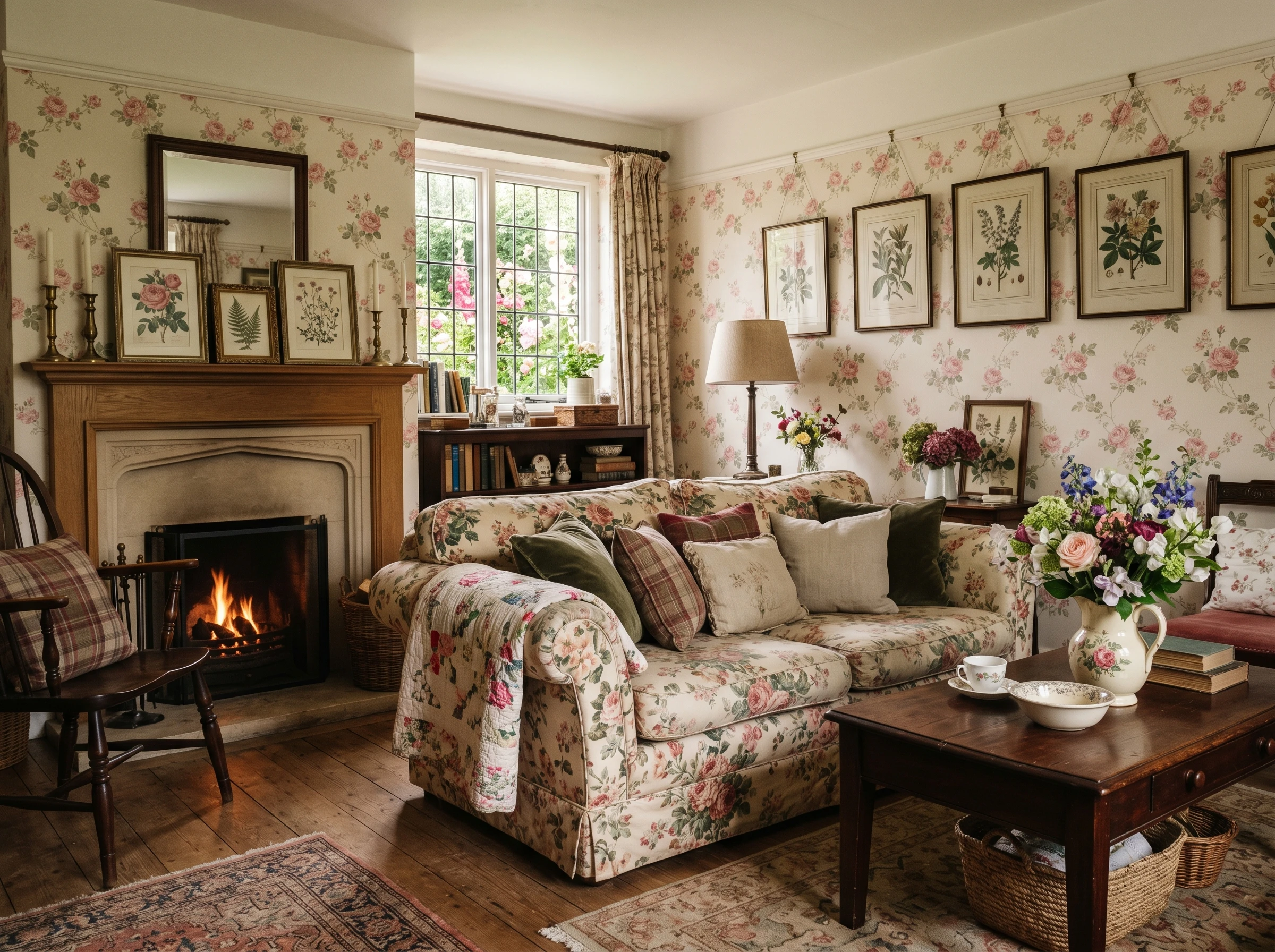
How to Achieve English Country Style
Layer floral patterns generously: chintz curtains, floral sofa, botanical wallpaper, and flowered cushions all work together.
Mix furniture styles, including antiques, painted pieces, dark woods, and upholstered items for a collected look.
Create cozy textured layers: quilts on beds, throws on chairs, multiple cushions, layered rugs.
Display fresh flowers frequently in various rooms using vintage vases, pitchers, and jars.
35. Art Nouveau Interior Design
Art Nouveau emerged in the late 19th-early 20th century, characterized by flowing organic lines, nature-inspired motifs, curved forms, and decorative artistry that creates elegant, romantic spaces.
Key Characteristics
- Organic, flowing lines with curves and whiplash motifs inspired by plants, flowers, and natural forms.
- Nature-inspired motifs, including flowers, vines, insects, birds, and botanical elements, appear throughout.
- Stained glass in windows, doors, lampshades, and decorative panels featuring naturalistic designs.
- Ornate metalwork in wrought iron, bronze, or copper with flowing organic forms.
- Rich, jewel-tone colors, including emerald, sapphire, amethyst, gold, and peacock blue, create luxurious palettes.
- Curved furniture with sinuous lines, carved details, and organic shapes defines Art Nouveau forms.
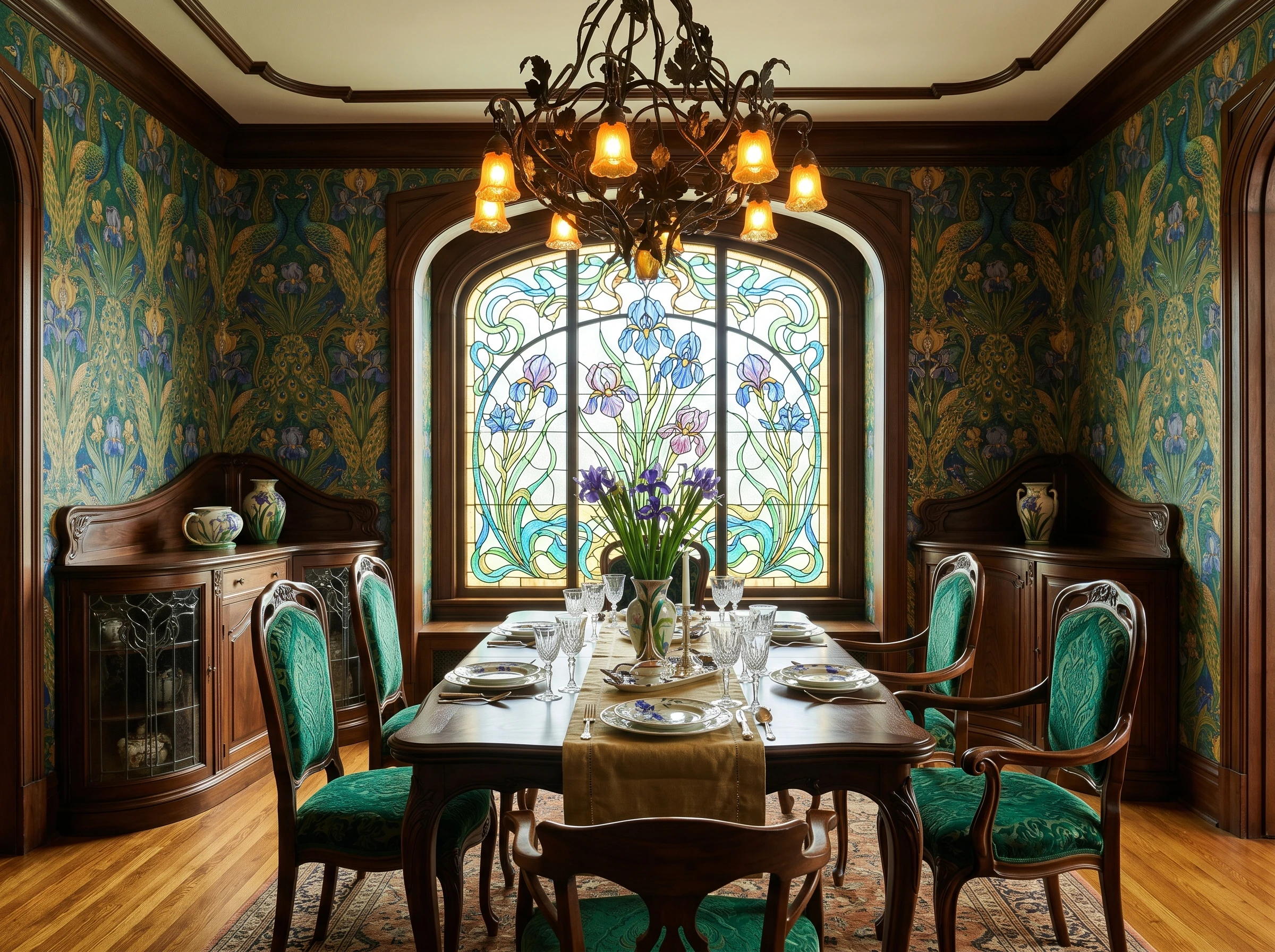
How to Achieve Art Nouveau Style
Incorporate stained glass through windows, lampshades, doors, or decorative panels with floral or organic motifs.
Choose furniture with curved lines and organic forms: flowing chair backs, sinuous table legs, curved headboards.
Add nature-inspired patterns in wallpapers, fabrics, tiles, or artwork featuring stylized florals and botanical designs.
Include ornate metalwork: wrought iron railings, decorative hardware, and bronze light fixtures with organic forms.
36. Nordic Interior Design
Nordic design (broader than just Scandinavian) encompasses design from Norway, Sweden, Denmark, Finland, and Iceland, emphasizing simplicity, functionality, connection to nature, and quality craftsmanship.
Key Characteristics
- Light, natural wood in birch, pine, ash, or beech dominates furniture and architectural elements.
- White and light neutrals maximize natural light, crucial in Nordic winters, creating bright, airy spaces.
- Minimal decoration focuses on quality over quantity with carefully chosen, functional objects.
- Natural materials, including wool, linen, leather, stone, and wood, create organic warmth.
- Functional design ensures every item serves a practical purpose while maintaining aesthetic beauty.
- Cozy elements through candles, textiles, and warm lighting create a hygge atmosphere despite a minimal aesthetic.
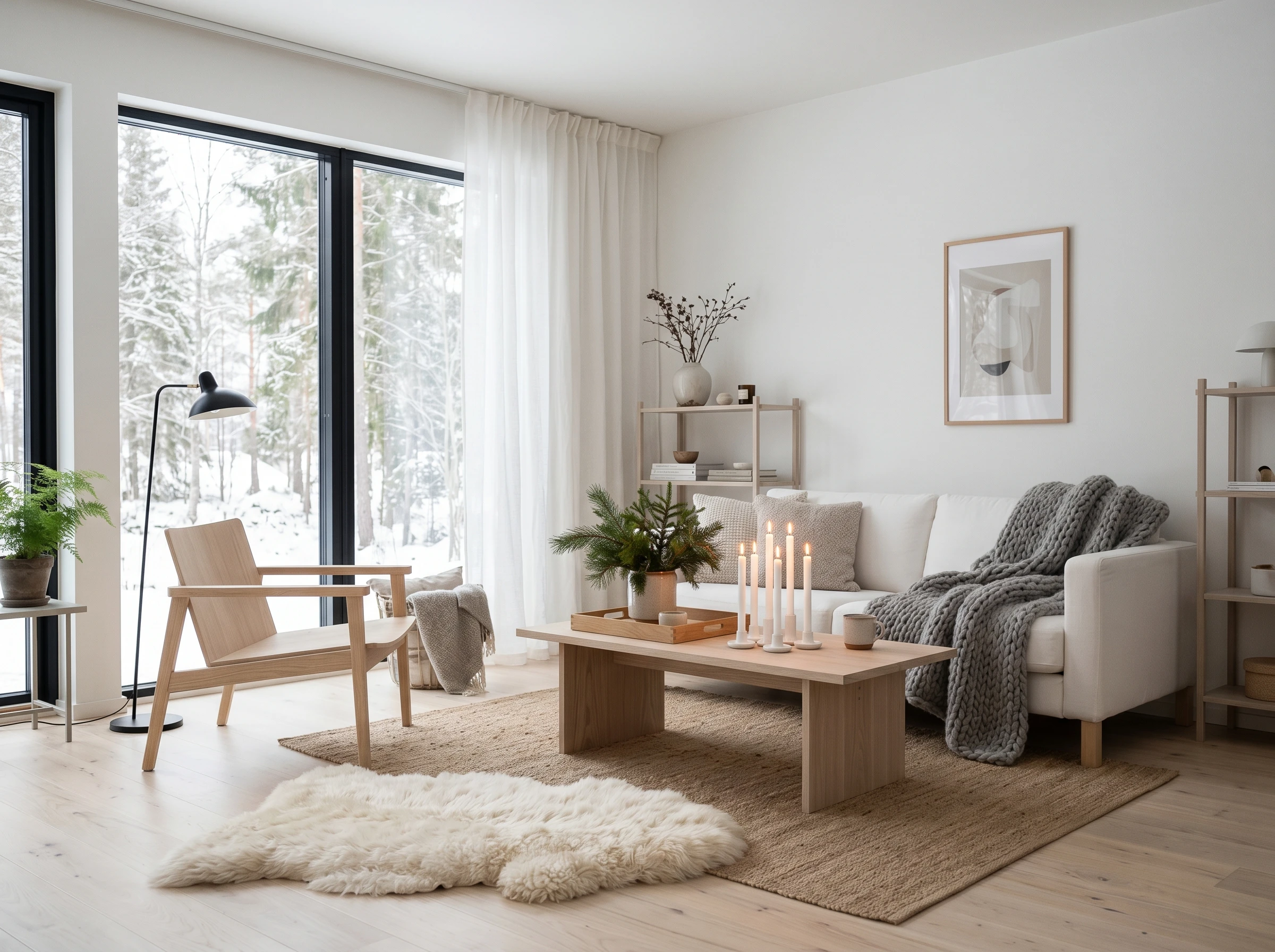
How to Achieve Nordic Style
Paint walls white or very light gray to reflect maximum light in darker months.
Choose simple furniture in light wood with clean lines and practical function.
Layer natural textiles for warmth: wool throws, linen curtains, sheepskin rugs in neutral colors.
Keep décor minimal but meaningful: handcrafted ceramics, simple vases, quality candles.
37. Desert Modern Interior Design
Desert modern combines mid-century modern design with desert landscape influences, featuring warm earth tones, natural materials, clean lines, and indoor-outdoor living suited to arid climates.
Key Characteristics
- Warm earth tones, including terracotta, sand, rust, cactus green, clay, and sunset orange, reflect desert landscapes.
- Natural desert materials like adobe, stone, leather, wood, and woven fibers create authentic connections.
- Mid-century modern influences appear through clean-lined furniture, geometric shapes, and minimal ornamentation.
- Indoor-outdoor connection blurs boundaries through large windows, sliding doors, covered patios, and desert landscaping.
- Cactus and desert plants bring native greenery indoors through succulents, cacti, and desert-adapted species.
- Minimal color palette keeps backgrounds neutral with desert-inspired accent colors adding warmth.
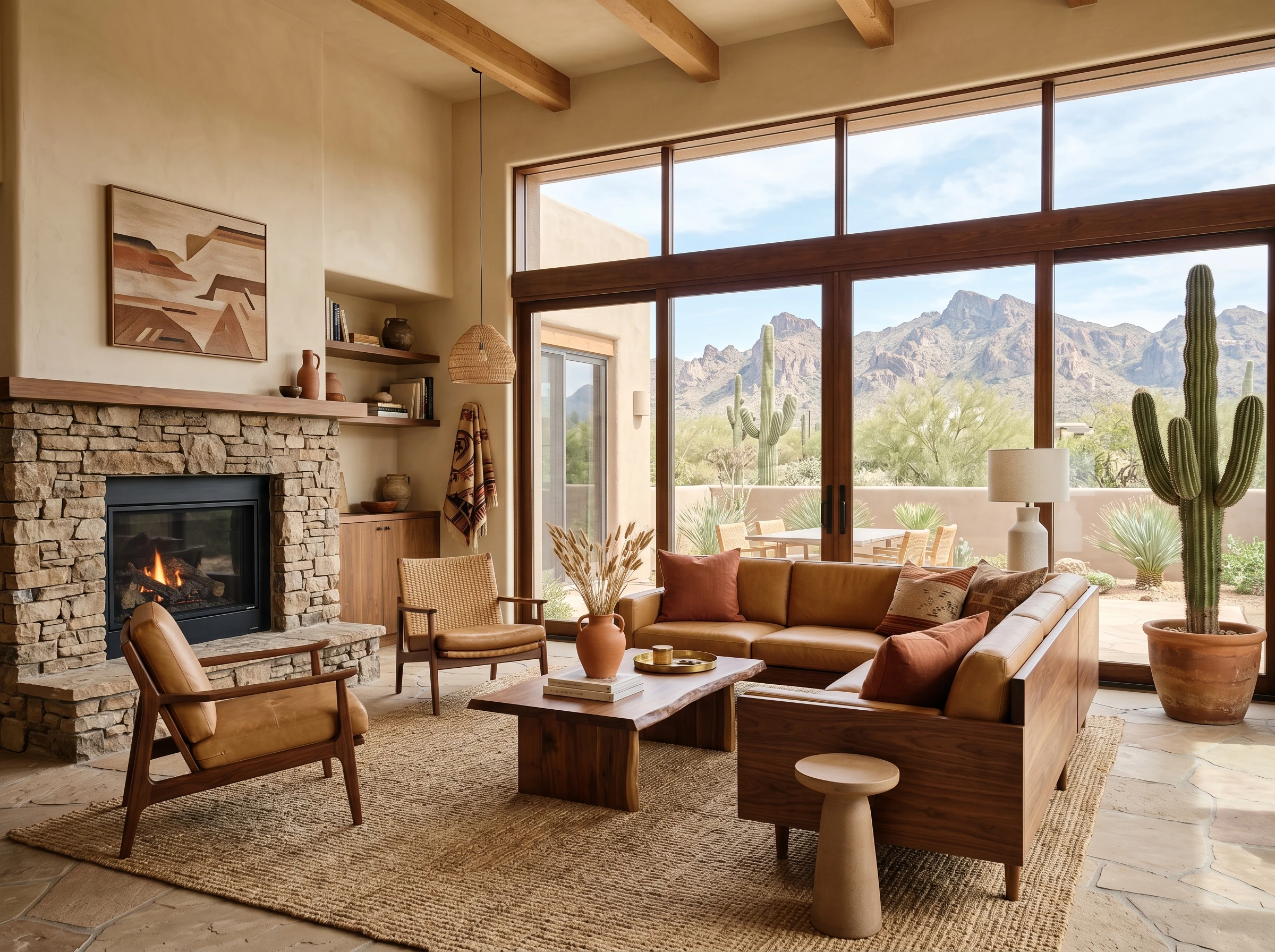
How to Achieve Desert Modern Style
Paint walls in warm neutrals: adobe beige, sand, warm white, or soft terracotta.
Choose furniture with mid-century lines in natural materials: leather chairs, wood credenzas, woven seating.
Add desert plants: large cacti, succulents, agave in terracotta or ceramic planters.
Incorporate natural stone through fireplaces, accent walls, or decorative objects that reference desert geology.
Explore more Living Room Design Ideas that you’ll love.
38. Grandmillennial Interior Design
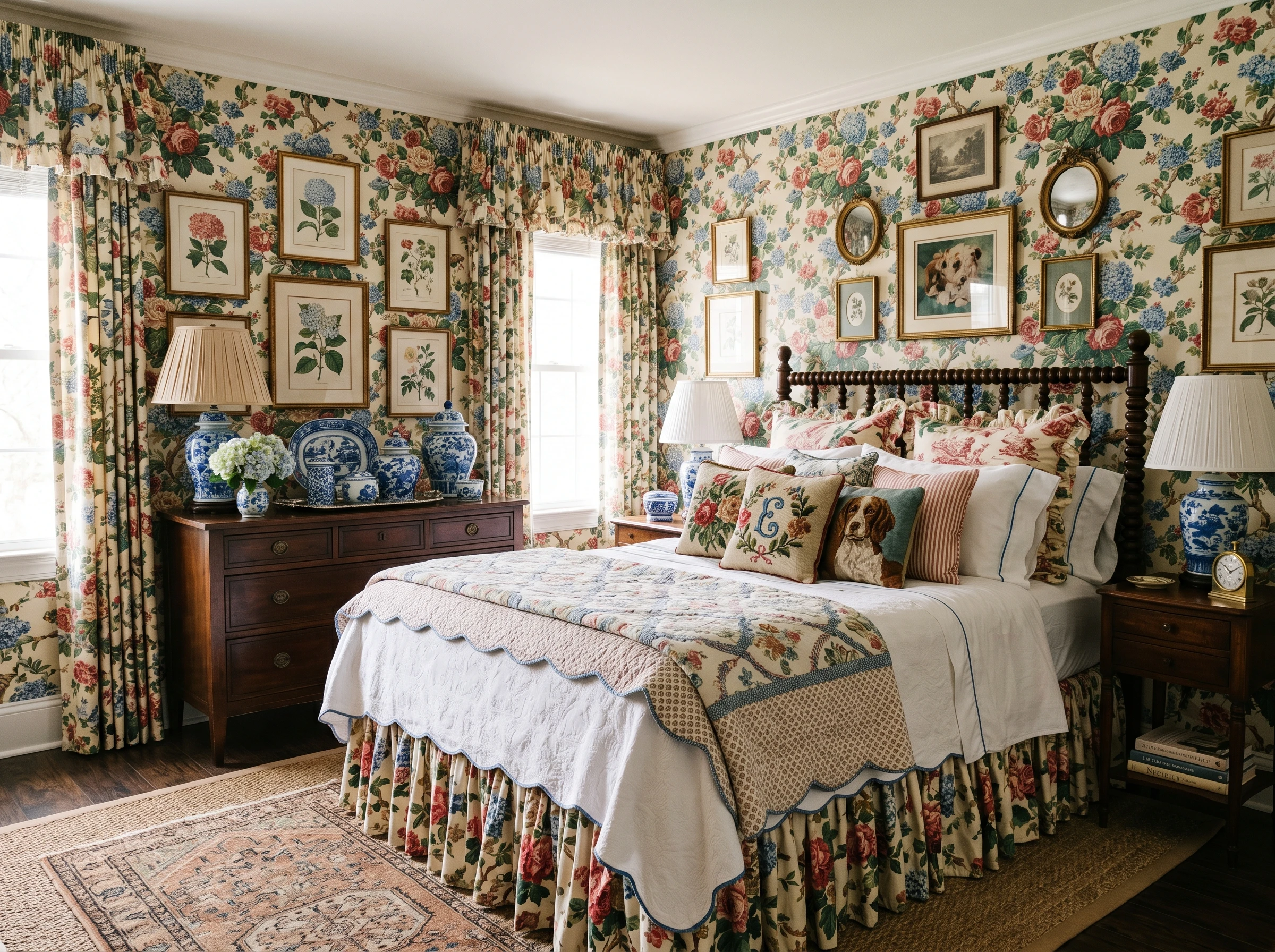
Grandmillennial (or granny chic) celebrates traditional design elements loved by older generations: chintz, needlepoint, floral patterns, antiques, but styled in fresh, playful ways by younger generations.
Key Characteristics
- Traditional patterns, including chintz florals, toile, gingham, needlepoint, and vintage-inspired prints, were used abundantly.
- Antique and vintage furniture mixed with updated pieces creates a collected, personal aesthetic.
- Ruffles, fringe, and embellishments add feminine, decorative touches throughout spaces.
- Floral wallpaper covers walls in bold, traditional patterns that grandmothers loved.
- Blue and white porcelain, family heirlooms, and vintage collections are displayed proudly.
- Playful, maximalist approach layers patterns, colors, and textures with youthful confidence.
How to Achieve Grandmillennial Style
Embrace traditional patterns without irony: chintz curtains, floral wallpaper, and needlepoint pillows all work together.
Mix genuine antiques with vintage reproductions and new pieces that reference traditional styles.
Layer embellishments: ruffled bed skirts, tasseled trim, fringe on pillows, decorative piping.
Display collections: blue and white china, vintage books, family silver, antique teacups on open shelves.
39. Wabi-Sabi Interior Design
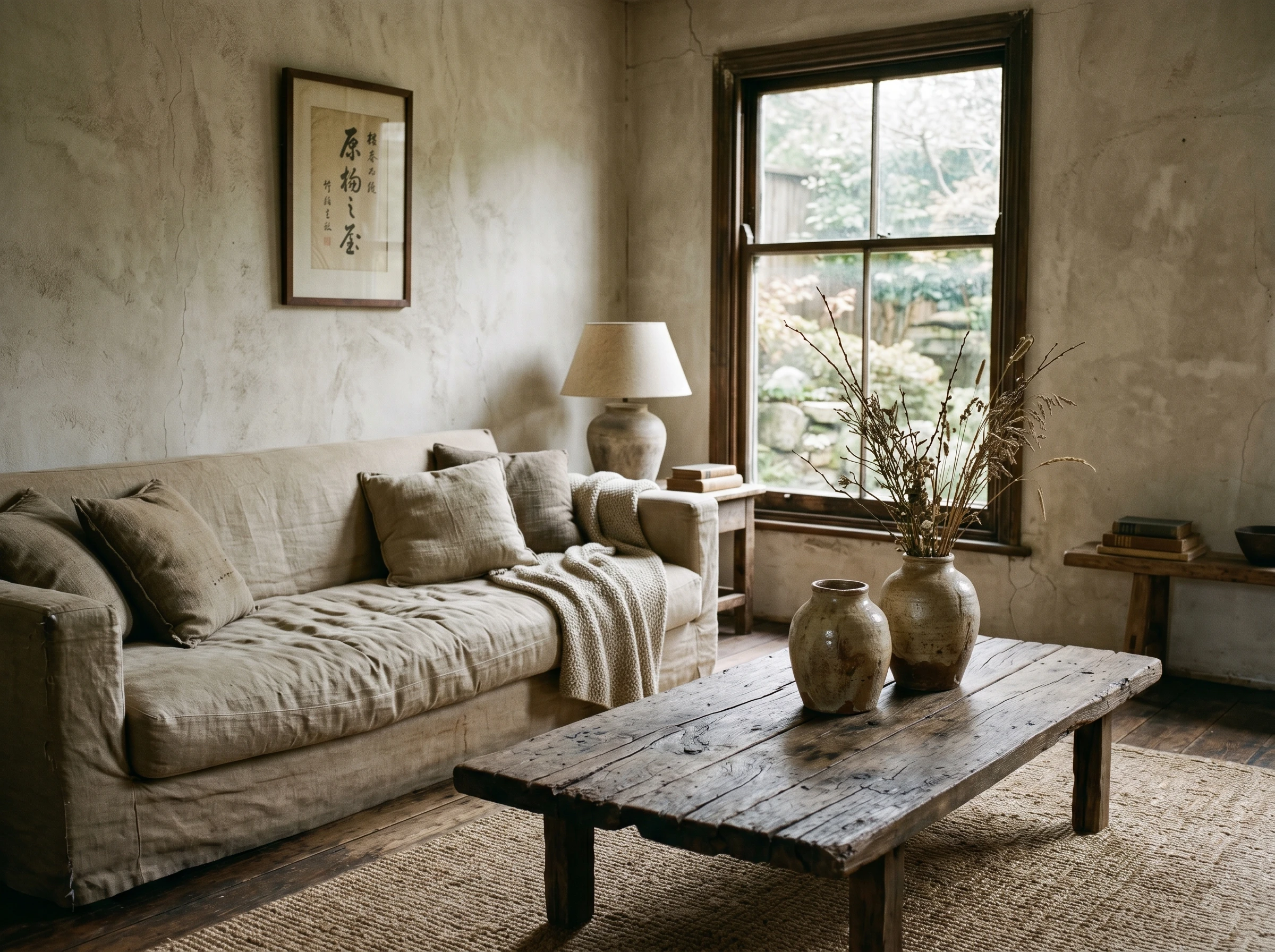
Wabi-sabi is a Japanese philosophy embracing imperfection, impermanence, and natural aging, creating serene spaces that celebrate authenticity, simplicity, and organic beauty.
Key Characteristics
- Imperfect materials, including weathered wood, cracked ceramics, tarnished metals, and worn textiles, are celebrated rather than hidden.
- Neutral, muted colors in browns, grays, beiges, and soft blacks create quiet, contemplative palettes.
- Natural aging and patina are embraced as beauty rather than flaws requiring correction.
- Handmade objects with visible irregularities showcase human touch and artisan craft.
- Minimal decoration keeps spaces uncluttered, allowing attention to a few meaningful objects.
- Organic forms and natural materials connect spaces to nature and natural processes.
How to Achieve Wabi-Sabi Style
Embrace imperfect materials: weathered wood furniture, handmade ceramics with asymmetry, vintage textiles with wear.
Keep the color palette to natural, muted tones without bright or artificial colors.
Display handcrafted items that show human imperfection: irregular pottery, hand-woven textiles, carved wood with tool marks.
Resist fixing or updating items that show natural aging patina, wear, and time add authenticity.
40. Regencycore Interior Design
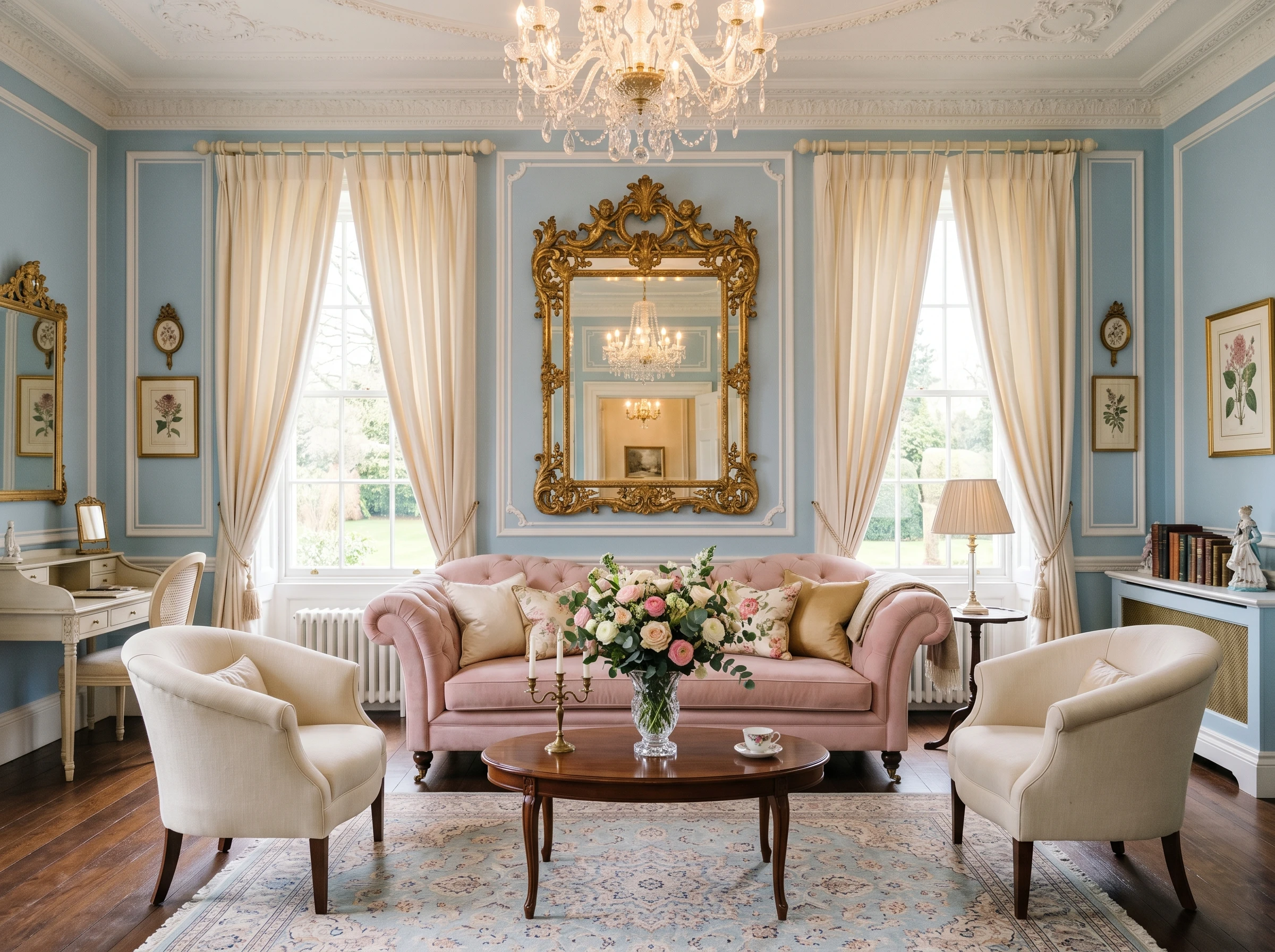
Regencycore draws from the English Regency period (1811-1820) popularized by shows like Bridgerton, featuring elegant sophistication, pastel palettes, ornate details, and romantic grandeur.
Key Characteristics
- Soft pastel colors, including powder blue, blush pink, lavender, mint green, and butter yellow, create romantic palettes.
- Ornate furniture with gilded details, curved lines, tufted upholstery, and elegant proportions exudes refinement.
- Luxurious fabrics like silk, velvet, damask, and taffeta in rich textures and delicate colors.
- Crystal chandeliers and elegant lighting add sparkle and grandeur to spaces.
- Floral arrangements and botanical elements bring garden romance indoors through fresh flowers and botanical prints.
- Gilded accents in mirrors, frames, furniture details, and accessories add opulent shimmer.
How to Achieve Regencycore Style
Paint walls in soft pastels: pale blue, blush, or mint for romantic backdrops.
Choose elegant furniture with curved lines, gilded details, and luxurious upholstery in velvet or silk.
Add a crystal chandelier or an elegant pendant as statement lighting that evokes ballroom grandeur.
Layer luxurious fabrics: silk curtains, velvet pillows, tufted furniture, and damask accents.
Finding Your Perfect Interior Design Style
With 40 distinct aesthetics to choose from, how do you determine which interior design style suits you best?
Self-Discovery Questions
What makes you feel calm and happy?
Do you relax in minimal, uncluttered spaces or feel energized by abundant color and pattern?
What’s your lifestyle?
Families with young children might prioritize durability and easy cleaning over delicate fabrics. Frequent entertainers need comfortable seating and functional layouts.
What colors draw you? Are you attracted to bright, bold hues or soft, muted tones? Warm or cool palettes?
What periods inspire you?
Do you love antiques and history or prefer contemporary design and current trends?
How do you want to feel at home?
Energized and stimulated or calm and peaceful? Cozy and protected or open and free?
Mixing Styles Successfully
Few homes strictly adhere to a single style. The most interesting spaces blend elements from multiple aesthetics. The key is finding a cohesive thread that ties diverse pieces together.
A color palette can unify mixed styles. A consistent color scheme makes traditional and modern furniture work together beautifully.
A similar scale helps different styles coexist. Large traditional sofa pairs better with substantial modern tables than with delicate contemporary pieces.
Repeated materials create connections: wood tones, metals, or textiles appearing throughout mixed-style spaces provide visual continuity.
Balanced proportions prevent one style from overwhelming others. If most furniture is modern, one antique piece adds character; ten antiques create confusion.
Final Thoughts: Your Personal Style Journey
Interior design styles provide a vocabulary for expressing your aesthetic preferences and design vision. Understanding these 40 distinct approaches equips you to articulate what you love, make informed decisions, and create spaces that genuinely reflect who you are.
Remember that style names are descriptive tools, not rigid rules. Your home should feel yours authentically, whether that means strict adherence to a single aesthetic or fearless blending of multiple influences.
The best interior design isn’t about following trends or copying magazine rooms, it’s about creating spaces where you feel comfortable, inspired, and truly at home.
Use this guide as your foundation, then build your own unique aesthetic that tells your story. Your personal style is waiting to emerge.
Happy designing! 🏠✨

I’m Shaheen, the writer behind every article on FahadsGuide. I research and write practical guides on budgeting smarter, setting up better living spaces, using AI tools effectively, and building daily habits that actually stick. Background in motivational content on YouTube.Every article is researched and written to be genuinely useful, not just readable.