Bedroom decor ideas on a budget have a reputation for looking exactly that. Removable wallpaper that peels at the corners, fairy lights that read as charming in photos and chaotic in real life, throw pillows that flatten within a week. I have made most of those mistakes myself. What I have learned after genuinely testing affordable bedroom upgrades is that the gap between a cheap bedroom and an affordable bedroom makeover comes almost entirely down to sequence.
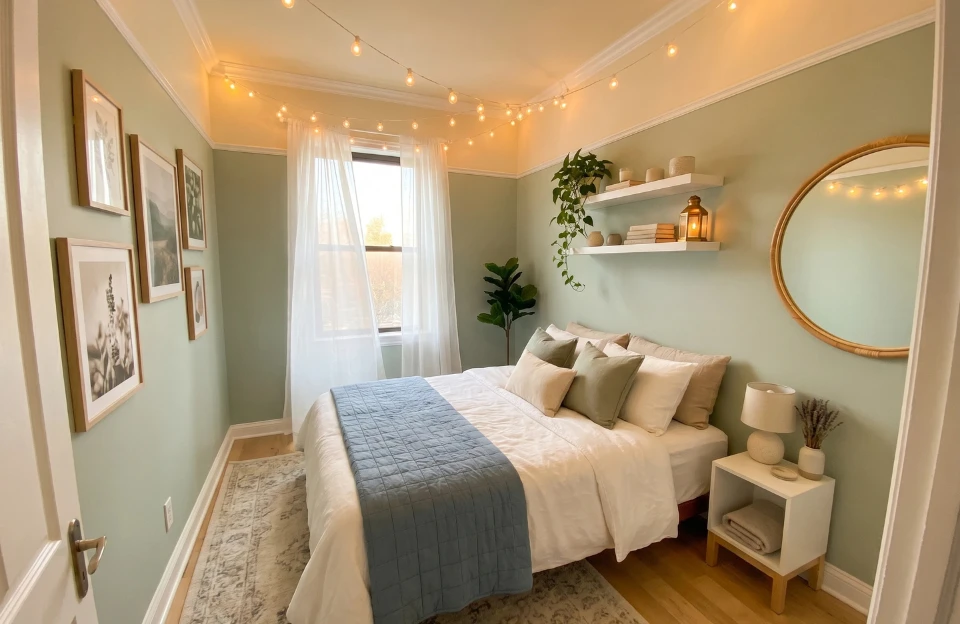
Most people start with accessories and end up with clutter that costs money. The changes that actually carry a room, warm lighting, layered bedding, and a single strong accent element, do not cost much when you know which ones to prioritize. This guide covers seven renter-friendly bedroom ideas grounded in what 2026 bedroom design is actually moving toward, in the order that produces the biggest visible shift for the least money spent.
What 2026 Bedroom Design Is Actually About
Before the specific changes, it helps to understand what bedroom design is moving toward this year, because it changes which budget decisions are worth making.
The dominant direction in 2026 is what designers are calling warm minimalism. Not the cold, stark white minimalism of five years ago, but something softer: neutral tones, natural textures, layered warmth. Warm whites, soft taupes, sage greens, and earthy cocoa browns are the palette. Rattan, jute, linen, and reclaimed wood are the materials. Lighting has shifted away from overhead brightness toward warm, diffused, layered sources that make a room feel intimate rather than illuminated.
The other significant shift is in how people think about the purpose of their bedrooms. Rooms are being designed for real life rather than for photos, which is a meaningful change. Comfort and functionality are leading over visual drama. A room that feels genuinely restful to be in every day is worth more than one that photographs beautifully but never fully relaxes you.
The practical implication of all of this for a budget bedroom upgrade: the changes that align with where design is actually headed in 2026 are mostly inexpensive ones. Warm bulbs. Linen texture. Natural materials. These are not expensive trends. They are affordable and current, which is a rare and useful combination.
Change 1: Edit Before You Buy Anything
This costs nothing, and most people skip it because it does not feel like decorating. It is the most effective first step available.
Walk through your bedroom and remove everything that does not need to be there. Clothes on the back of a chair, three half-used products crowding the nightstand, items on the floor without a permanent home, the second duvet you rotate seasonally sitting visibly in a corner. Box them, move them to appropriate storage, and donate what you do not need. Do not spend money on storage solutions yet. Just remove.
The reason this comes first is specific: every change you make after this lands in a cleaner room and produces a more visible result. Warm lighting in a cluttered room improves the lighting. Warm lighting in an edited room transforms the atmosphere. The surface matters as much as what you put on it.
I did this on a Saturday morning before spending anything on my own bedroom. By the afternoon, before buying a single item, the room looked noticeably better. Sunday shopping felt purposeful rather than compensatory.
Change 2: Warm Up the Lighting (Under $30)
Instead of bright overhead lights, 2026 favours warm, diffused lighting because it instantly changes how a room feels, cozy versus clinical. This is the single most impactful change in any bedroom and the one that costs the least to make.
The problem with most bedroom lighting is not that there is too little of it. It is that the quality is poor. Cool white or daylight bulbs (above 4000K) make a bedroom feel like an office. They flatten colour, age surfaces, and create the kind of flat ambient light that makes a space feel functional rather than comfortable.
Replace every bulb in the room with warm white bulbs at 2700K to 3000K. A full set costs under $15 and takes fifteen minutes. The difference is immediate and, for most people, genuinely surprising. The same furniture and the same surfaces in warm light look more expensive, more considered, and more inviting than in cool light.
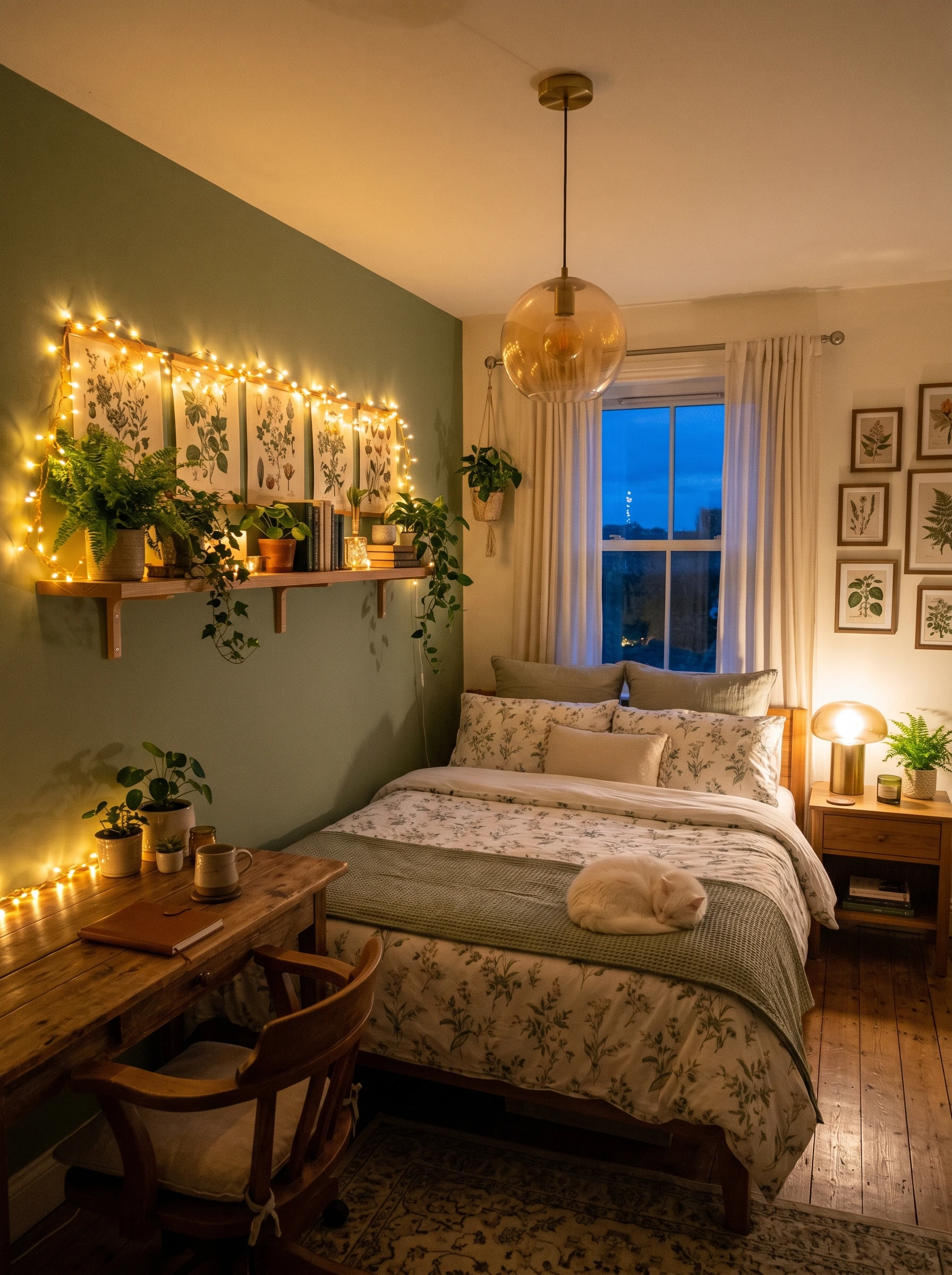
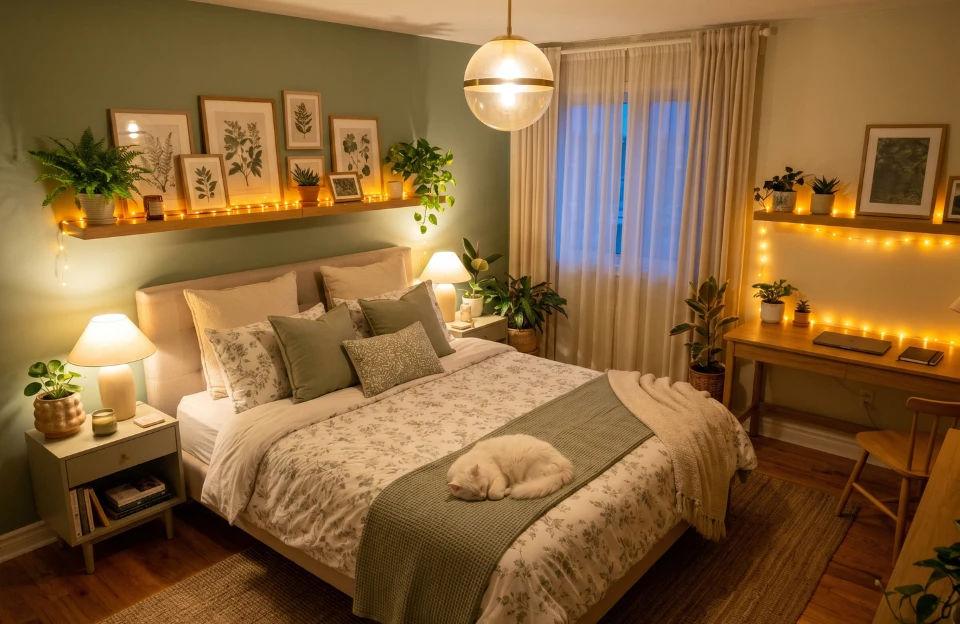
After the bulbs: add a second bedside lamp on the opposite side of the bed from your existing one. Symmetrical bedside lighting reads as intentional, regardless of how inexpensive the lamps are. A $12 lamp from a thrift store with a warm bulb does the same visual work as a $150 designer lamp in this context. The effect is symmetry and warmth, not the lamp itself.
String lights along the headboard wall cost between $8 and $18 on Amazon and add a layer of soft ambient glow that no overhead fixture replicates. Place them in a single clean line along the top of the wall behind the bed, not draped chaotically across the ceiling. One line, warm white, solar or plug-in. That is the version that looks considered.
If you’d like to recreate this cozy atmosphere, warm white string lights are one of the easiest upgrades you can make.
Recommended Product: Warm White LED String Lights
Why It Works: Soft ambient lighting instantly makes a bedroom feel warmer and more inviting while adding the layered glow that defines 2026 bedroom design.
Total cost: $15 to $30
Change 3: Rebuild the Bed Properly (Under $80)
The bed occupies between 40% and 60% of the visual field in most bedrooms. How it looks determines how the whole room reads at first glance, which means changing the bedding is one of the highest-return investments in any bedroom upgrade.
Neutral tones like warm whites, soft taupes, and sage greens dominate 2026 bedroom palettes because they create serene backdrops that promote relaxation and restful sleep, with soft luxury textures defining this year’s aesthetic.
The principle that changes everything: buy neutral and buy texture. A white, cream, or sage duvet cover in a linen, waffle weave, or textured cotton reads as expensive regardless of what it actually costs. A $35 linen-effect duvet cover looks more considered than a $80 patterned one from a matching set.
To achieve a similar hotel-inspired look, a textured duvet cover can make a big difference.
Recommended Product: Linen-Blend Duvet Cover Set
Why It Works: Textured bedding adds depth and softness while creating the relaxed, layered aesthetic that dominates bedroom trends in 2026.
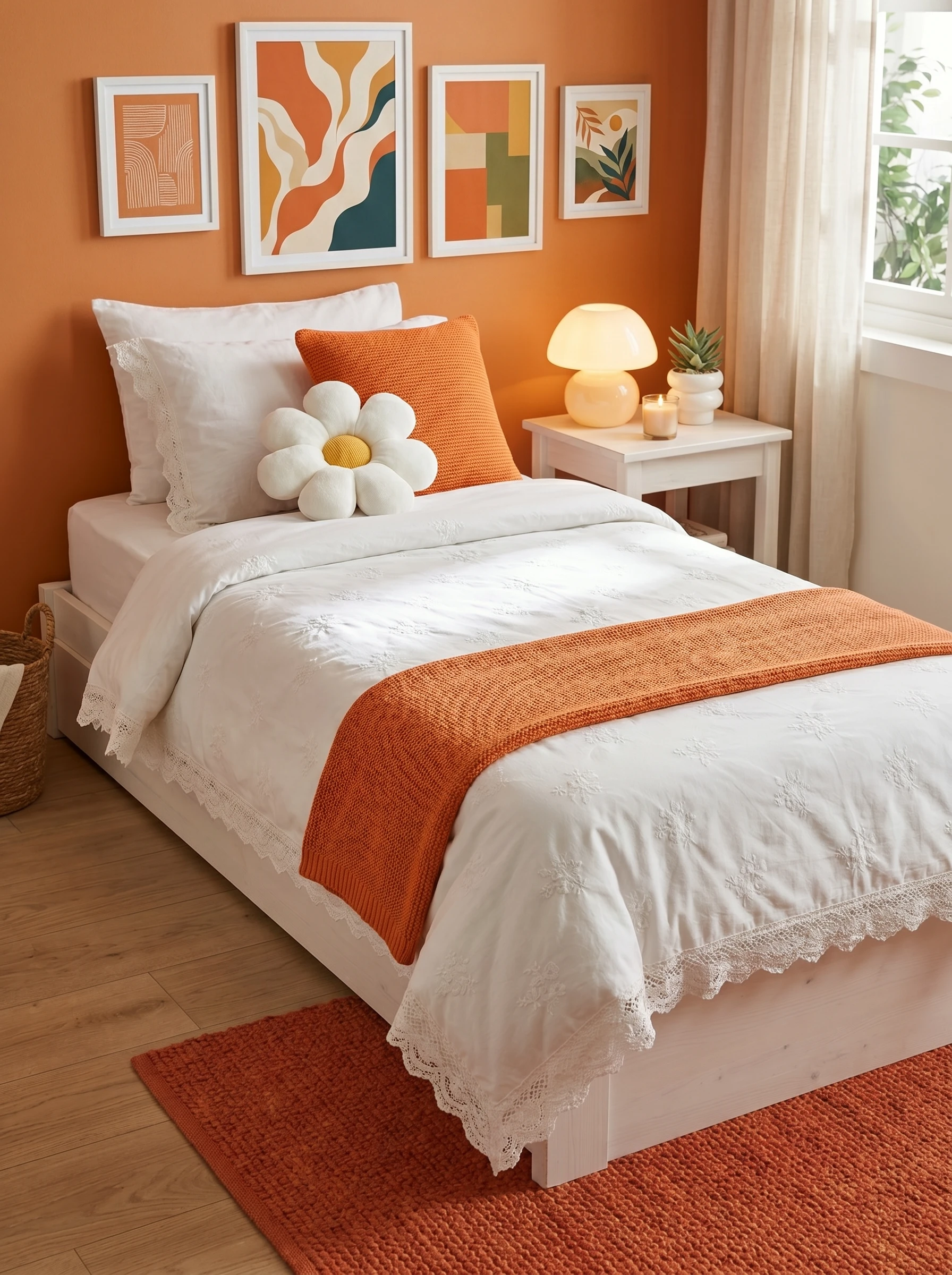
The hotel bed effect that people spend hundreds trying to replicate comes from two things. The first is a full, heavy duvet insert that produces genuine visual weight rather than a flat, thin spread. The second is Euro pillows. A queen bed with two sleeping pillows and two Euro pillows (26 by 26 inches) arranged in front looks stylish. A queen bed with two sleeping pillows looks like a bed that got made in a hurry. Euro pillow inserts cost around $15 to $20 each. The visual upgrade they produce is disproportionate to the cost.
Layer a waffle-weave throw across the foot of the bed. Draped or folded, it adds a finishing detail that signals the bed was thought about rather than just covered. Waffle throws at $25 to $35 on Amazon look significantly more expensive than that.
For an easy upgrade, consider adding a waffle-weave throw blanket at the foot of the bed.
Recommended Product: Waffle Knit Throw Blanket
Why It Works: A textured throw adds warmth, visual layering, and helps make the bed look thoughtfully styled without requiring a complete bedding overhaul.
Total cost: $60 to $80
Change 4: One Strong Accent Wall (Under $60)
Bedrooms in 2026 are embracing colour drenching on accent walls because it reduces visual noise, creates a cosseting effect, and still has subtle interest. The good news for a budget makeover is that one wall is all you need. Four walls painted or papered cost significantly more than one, and one strong accent wall behind the headboard produces 90% of the visual impact at 25% of the effort.
Three approaches depending on your situation:
Peel-and-stick wallpaper (renters, best option): Current peel-and-stick technology has improved to the point where the better options are genuinely indistinguishable from traditional wallpaper at normal viewing distance. A headboard wall in a standard bedroom requires 2 to 3 rolls, costing $30 to $60. Choose simple textures over large patterns for longevity: linen effect, subtle grasscloth, or a soft geometric. These age better and work with more bedding options than bold prints.
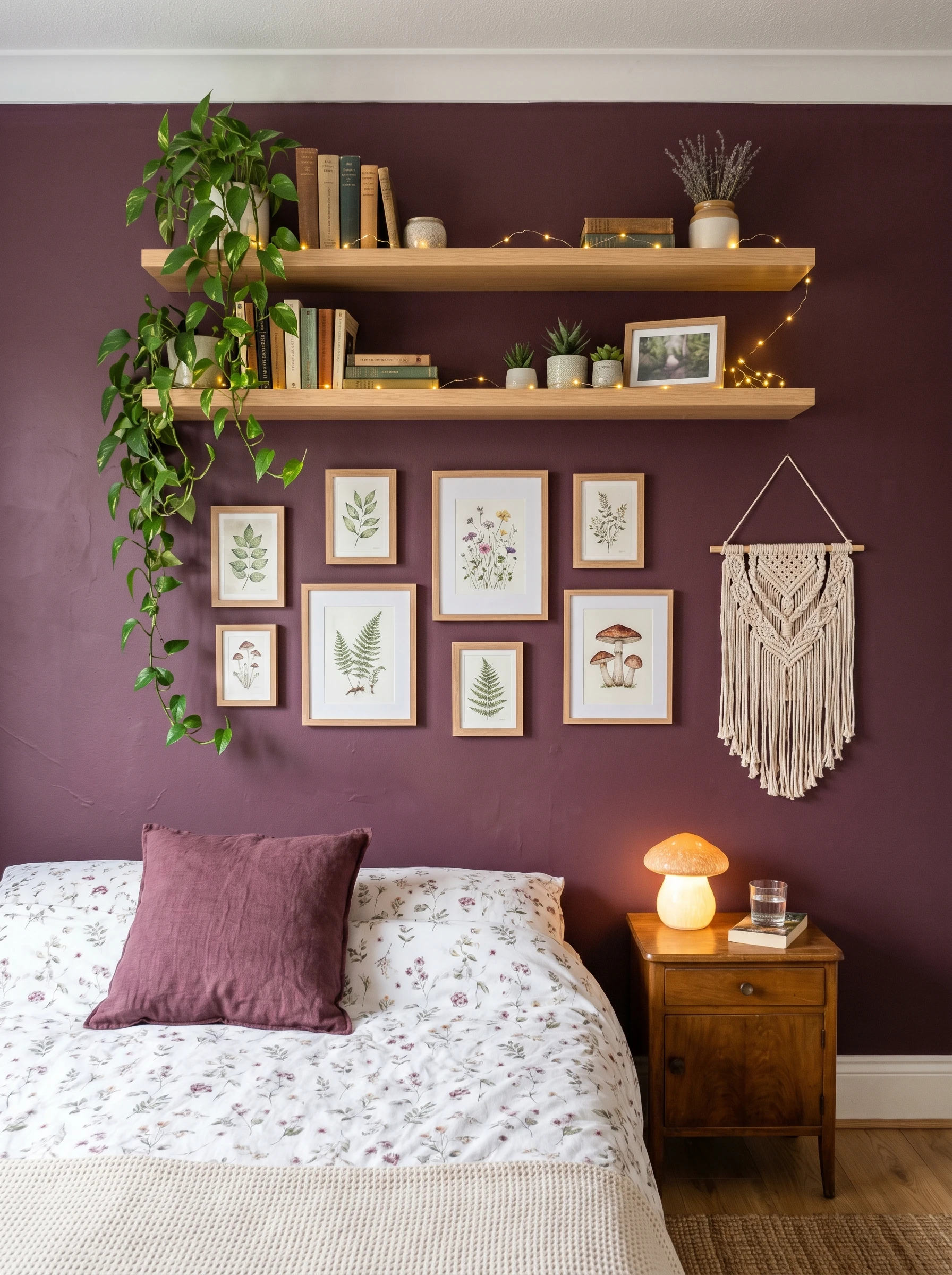
Choosing the right pattern for a peel-and-stick accent wall depends on your overall style direction, which our guide to 40 interior design styles covers in detail if you are still narrowing down your aesthetic.
Paint one wall: If you own or your landlord permits painting, a single wall costs $20 to $30 in paint. Sage green, warm terracotta, dusty blue, or deep cocoa brown are the 2026 colours worth considering. Any of these in a flat or eggshell finish on the headboard wall transforms the room’s atmosphere immediately. Avoid beige. It adds nothing.
Fabric wall panel: A large piece of fabric in a warm texture (boucle, linen, or a woven tapestry) stretched over a basic wooden frame creates a headboard-adjacent wall feature that costs $25 to $45 in materials and is installed with two picture hooks. This is the option that photographs most beautifully and requires the least commitment.
Total cost: $20 to $60
Change 5: Add Natural Materials (Under $50)
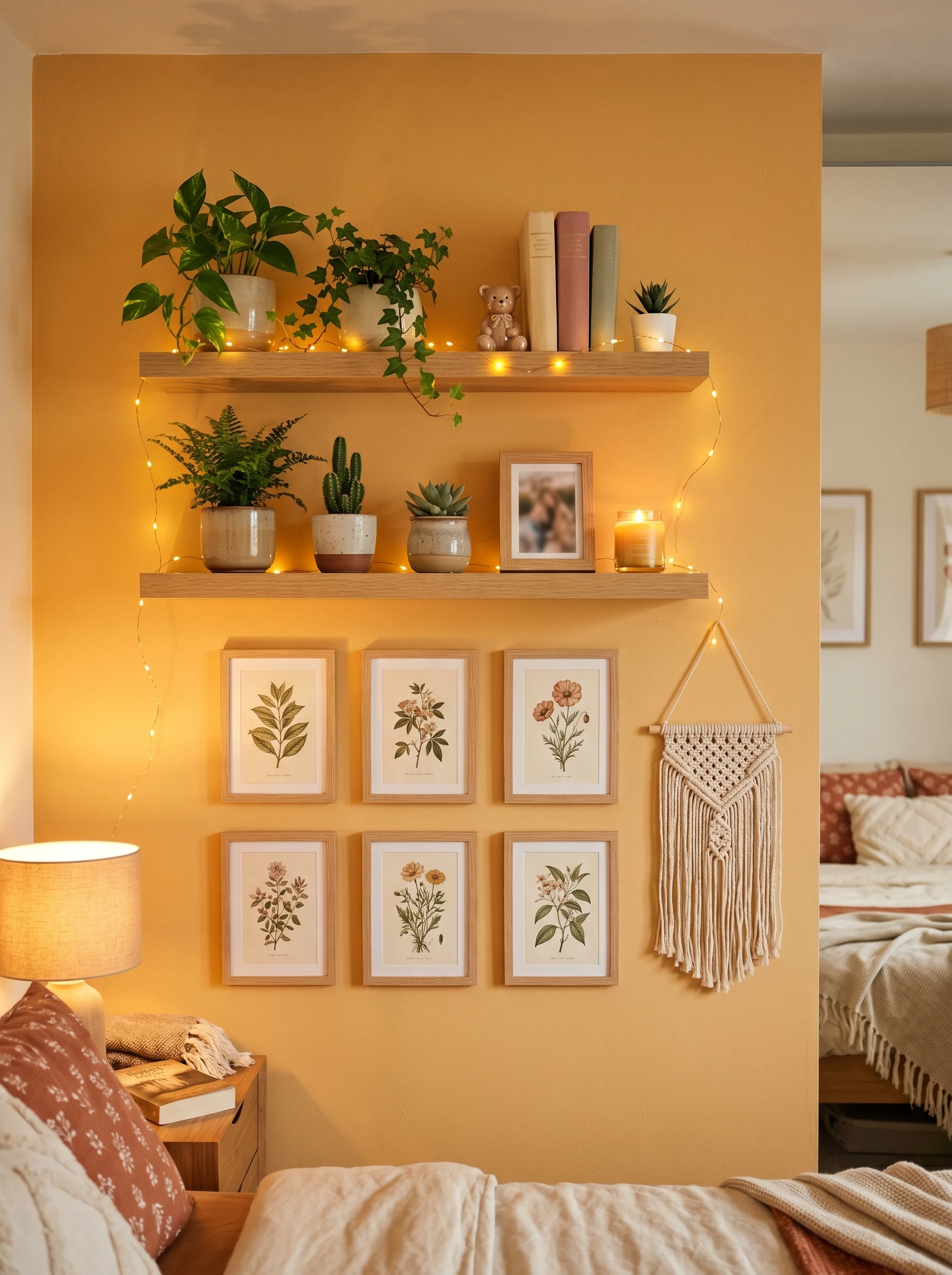
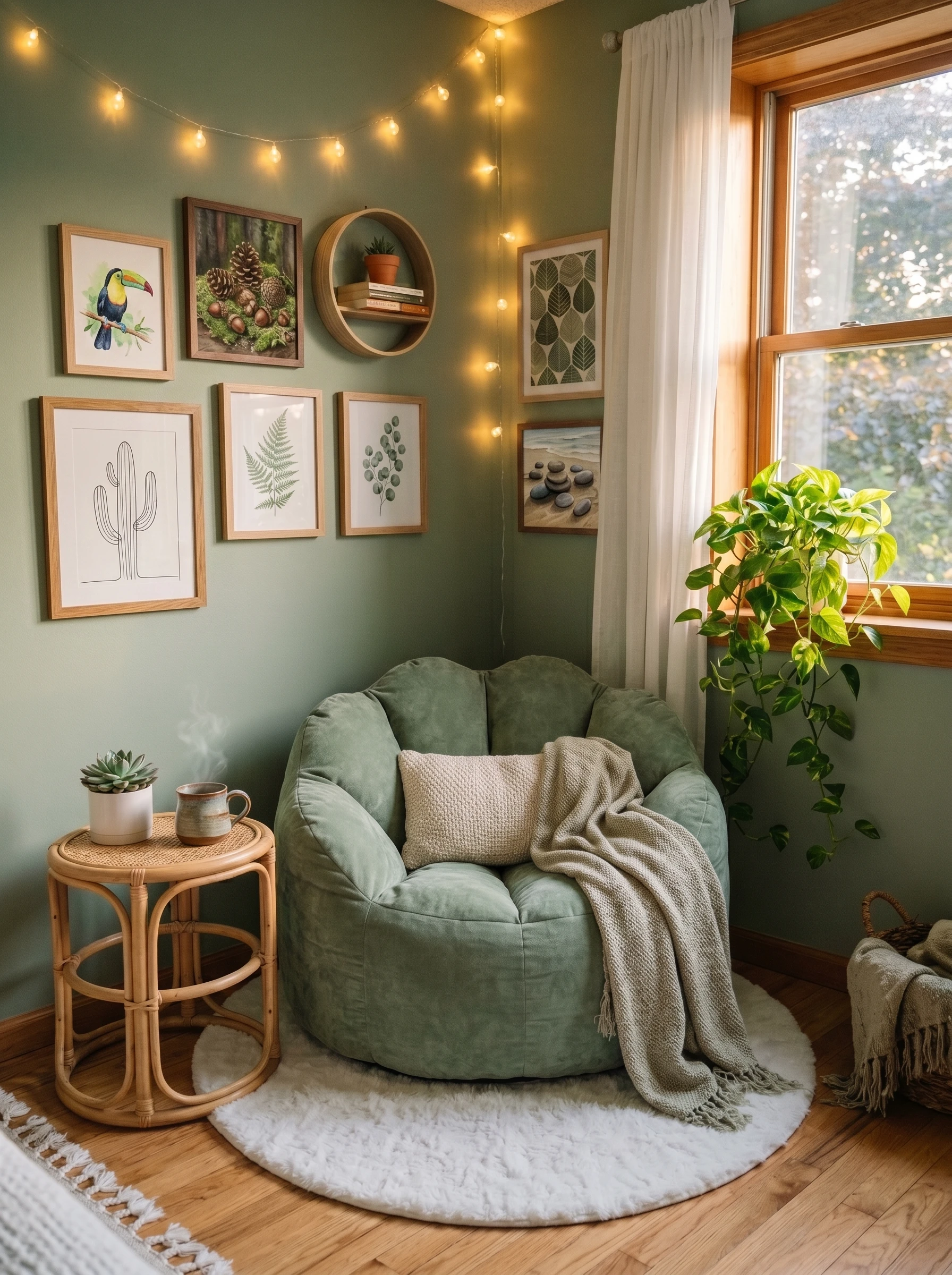
Natural materials take centre stage in the 2026 bedroom design. Rattan, jute, reclaimed wood, and stone accents bring organic warmth, with biophilic design principles integrating plants and nature-inspired patterns for improved well-being.
The specific items worth buying:
A rattan or wicker bedside lamp or pendant: Rattan shades cast patterned warm light that is one of the most photographed bedroom details on Pinterest, and costs $18 to $35 for a simple pendant or clip-on shade. When the warm bulb inside projects through the woven texture, the shadow pattern it creates on the surrounding wall is genuinely beautiful and genuinely free.
A jute or woven rug under the bed: Bedrooms without a rug feel cold and unanchored, regardless of what else is in them. A jute or natural fibre rug extending two feet on each side of the bed costs $30 to $55 for a standard size. It warms the floor, adds texture at the room’s lowest visual layer, and defines the bed as the focal point of the space.
One plant: A single snake plant in a terracotta pot in a corner costs around $15 to $25. It adds a living element that no purchased accessory replicates. In 2026 bedroom design, one well-placed plant in a considered pot reads as an intentional design decision rather than a decorating afterthought.
Total cost: $35 to $50
Change 6: Add a Full-Length Mirror (Under $80)
A full-length leaning mirror is the most underused tool in bedroom design and one of the highest visual-return purchases available at any budget.
What it does simultaneously: reflects light and makes the room feel larger, adds a vertical element that draws the eye upward, functions as both a practical item and a decorative one, and creates the impression of more considered design than most other single additions can produce.
A leaning arch mirror in a thin wooden or metal frame costs between $45 and $80. Place it in a corner at a slight angle, or flat against the wall beside the wardrobe. Either position works. The corner angle tends to produce a softer, more editorial look. The flat position is cleaner and more minimal.
What to avoid: a small tabletop mirror that sits on a surface. These serve a practical function but have no visual impact on the room. The full-length version is the one that changes the room.
Total cost: $45 to $80
Change 7: Finish With Three Specific Accessories (Under $60)
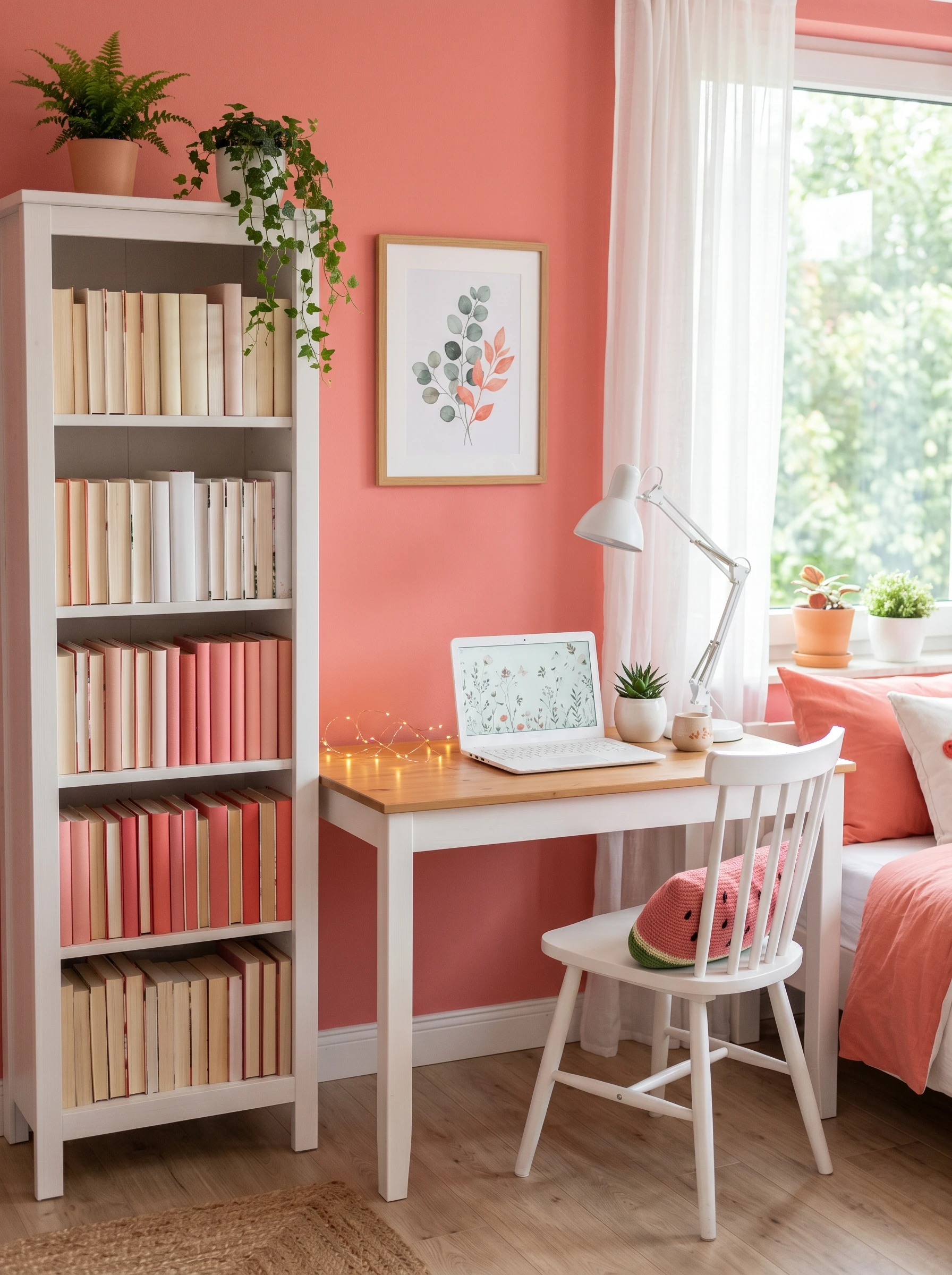
Accessories last for a reason. In a room that has been through changes one through six, a small number of the right accessories complete the space. In a room that has not, they just add clutter. These three work because they each add something that the previous changes did not.
One piece of wall art above the bed: A single oversized print in a simple frame hung centred above the headboard does more visual work than a gallery wall of six smaller pieces. The proportion matters: for a queen or king bed, the art should be at least 24 inches wide. Prints from Society6, Desenio, or Etsy cost between $15 and $35. A simple black or natural wood frame costs another $15 to $20. Total under $55 for a piece that anchors the whole wall.
A scented diffuser on the nightstand: Scent is the most immediate sensory experience when entering a room and the most consistently overlooked in budget decorating. A reed diffuser in a neutral, clean scent, eucalyptus, linen, sandalwood, costs $10 to $18 and changes the experience of being in the room within minutes of walking in.
A textured throw in a complementary tone: Draped over the accent chair, folded at the foot of the bed, or hanging from the corner of the headboard, a chunky knit or boucle throw in a tone that works with your bedding adds the layered texture that the 2026 bedroom design is built around. Budget $20 to $35 for something that looks significantly more expensive than it is.
Total cost: $45 to $60
The Complete Budget Breakdown
| Change | What It Involves | Cost |
| 1. Edit the room | Declutter, remove, donate | Free |
| 2. Lighting | Warm bulbs, second lamp, string lights | $15 to $30 |
| 3. Bedding | Linen duvet cover, Euro pillows, waffle throw | $60 to $80 |
| 4. Accent wall | Peel-and-stick wallpaper or paint | $20 to $60 |
| 5. Natural materials | Rattan lamp, jute rug, one plant | $35 to $50 |
| 6. Full-length mirror | Leaning arch mirror | $45 to $80 |
| 7. Three accessories | Wall art, diffuser, throw | $45 to $60 |
| Total | $220 to $360 |
The lower end of that range, around $220, covers every change with the most affordable options in each category. The upper end reflects better quality choices in bedding and the mirror. Neither requires professional installation, permanent modification to a rented space, or anything that cannot be reversed if you move.
The One Thing That Ties It Together
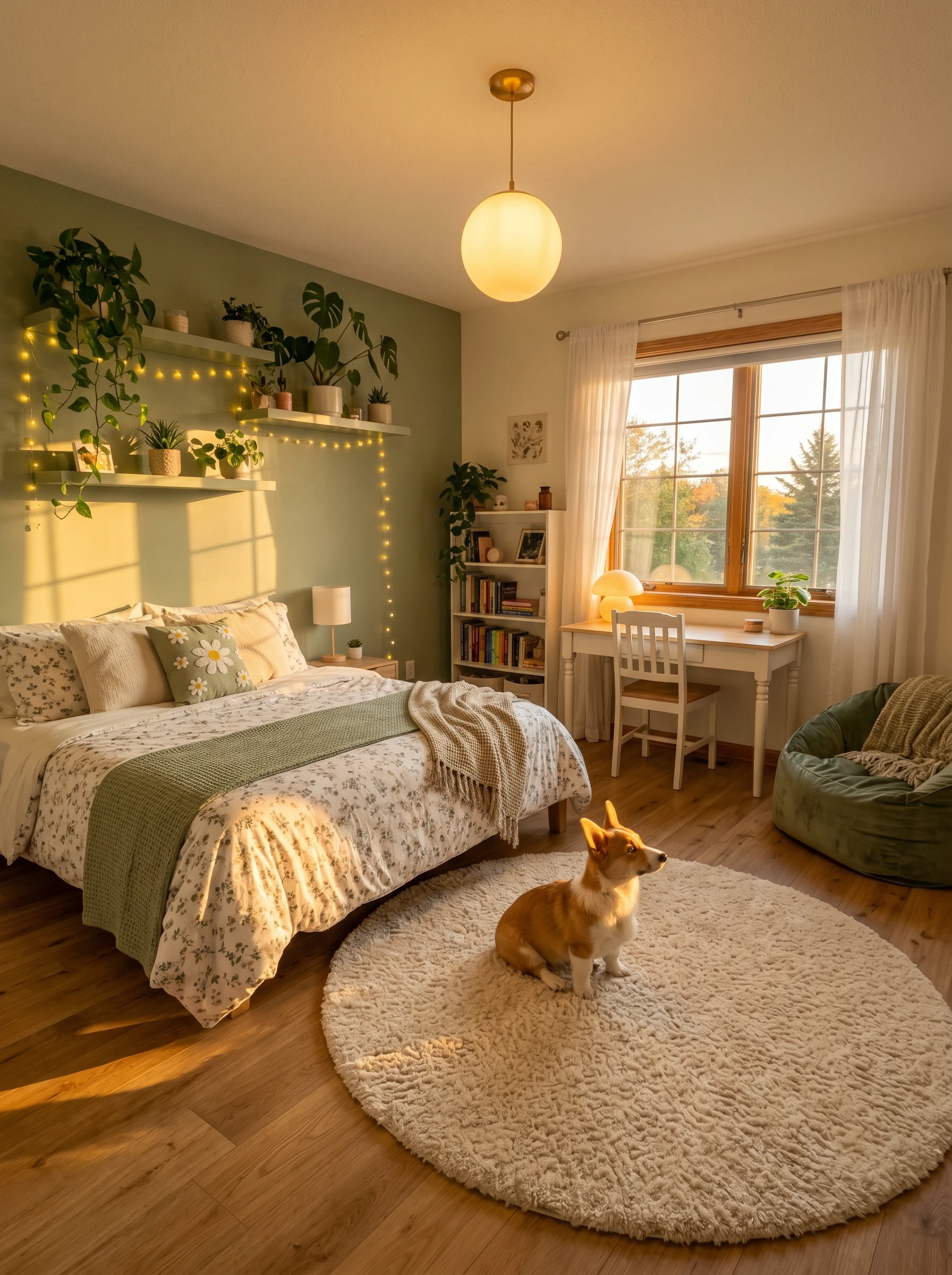
Every bedroom that looks genuinely considered has one quality in common: restraint. Not emptiness, but intention. Every item visible in the room has a clear reason to be there.
The instinct when decorating on a budget is to fill space because filling feels like progress. A surface with five objects on it feels more decorated than a surface with two. In practice, the room with two carefully chosen objects on the surface looks more expensive, more considered, and more restful than the room with five.
In 2026, bedroom design is shifting toward something more meaningful: spaces that feel personal, cozy, and actually livable. Instead of overly styled picture-perfect rooms, the focus is now on comfort, functionality, and self-expression.
The sequence in this guide produces that result. Declutter first. Light well second. Build the bed properly, third. Add one strong accent. Layer natural materials. Add the mirror. Finish with three things, not thirty. The room that comes out the other end of that process looks like it was designed rather than accumulated, and it costs under $300 to get there.
Please note: This post may contain affiliate links, meaning I may earn a small commission at no extra cost to you. Your support helps keep the content coming – thank you!

I’m Shaheen, the writer behind every article on FahadsGuide. I research and write practical guides on budgeting smarter, setting up better living spaces, using AI tools effectively, and building daily habits that actually stick. Background in motivational content on YouTube.Every article is researched and written to be genuinely useful, not just readable.