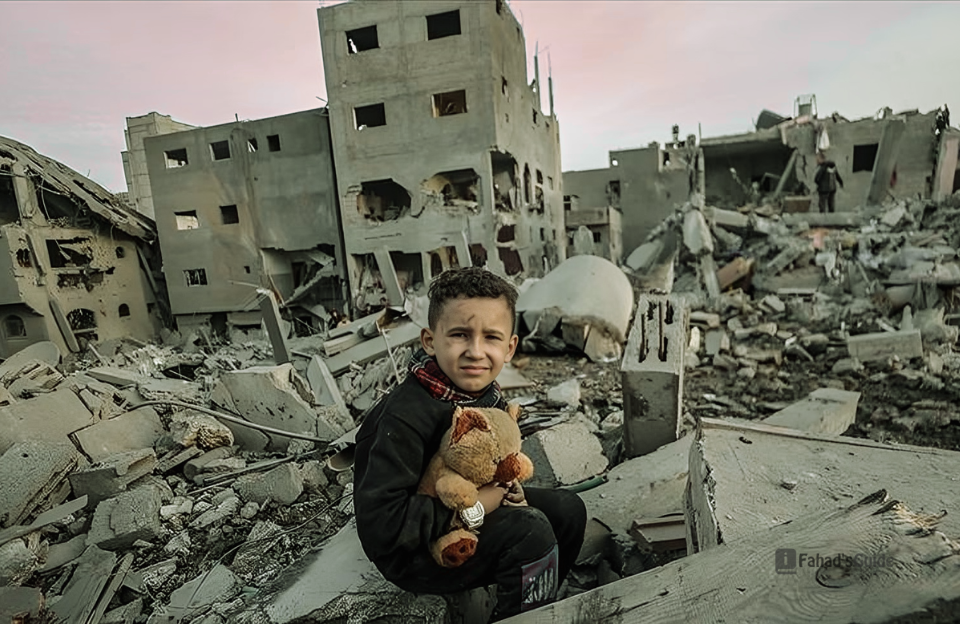
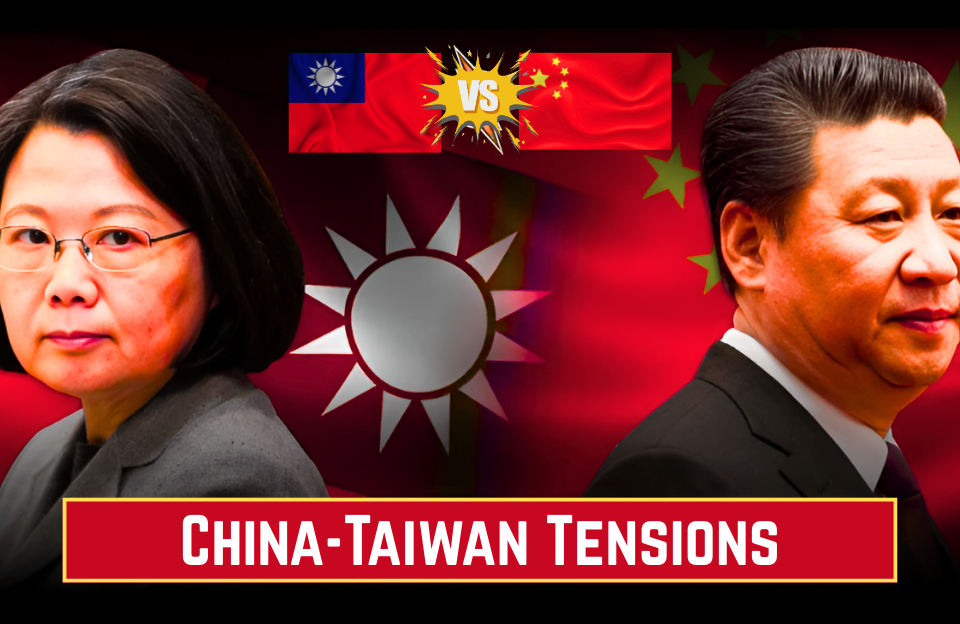
Tensions over Taiwan have reached alarming levels in early 2026, with military analysts warning that the risk of conflict is higher than ever.
China’s Massive Show of Force
China has dramatically increased military pressure around the island in ways that look less like posturing and more like preparation. Just this month, the People’s Liberation Army conducted large-scale exercises simulating a full blockade of Taiwan, with warships and aircraft surrounding the island in what Beijing called “punishment drills.”
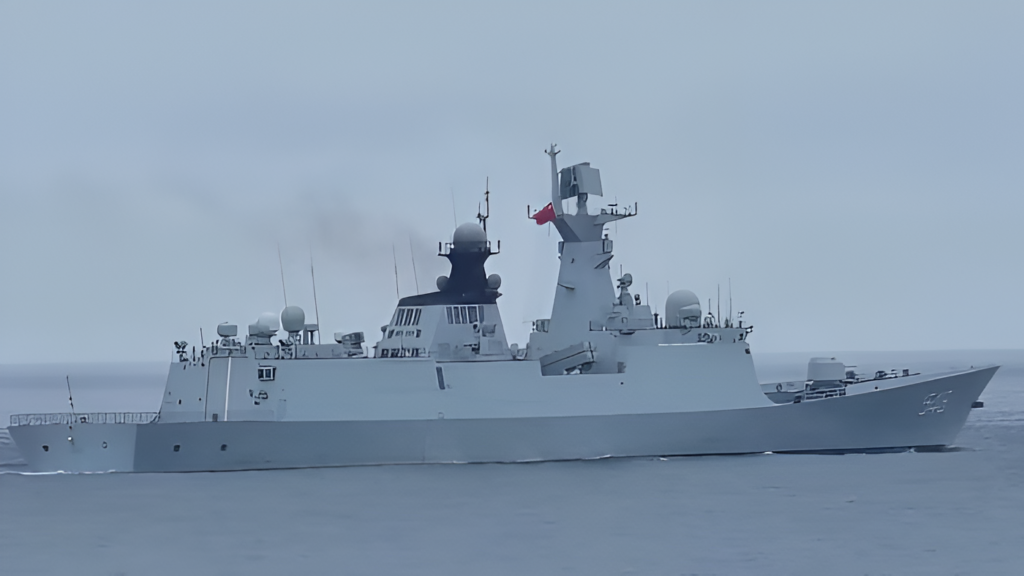
These operations were the largest yet, involving over 90 naval vessels and numerous fighter jets practicing invasion scenarios. Chinese forces rehearsed cutting off Taiwan’s ports, isolating the island from international support, and establishing air superiority, all the steps that would precede an actual invasion.
What’s particularly concerning is the frequency. These drills aren’t occasional shows of strength anymore. They’re happening regularly, almost weekly in some form. China is normalizing aggressive military activity around Taiwan, making the world grow accustomed to seeing its warships and aircraft circling the island. It’s a psychological strategy as much as a military one.
America Doubles Down on Taiwan
The United States has responded by strengthening its military presence in the region, making clear it won’t stand aside if China moves against Taiwan. President Trump’s administration has approved new weapons packages for Taiwan worth billions of dollars, including advanced missile systems, F-16 fighter jets, and coastal defense equipment designed specifically to repel an invasion.
American naval vessels continue regular patrols through the Taiwan Strait, the narrow body of water separating Taiwan from mainland China. Each passage is a deliberate message to Beijing: we’re watching, we’re ready, and we’re not backing down. The U.S. has also expanded military cooperation with allies in the region, including Japan, South Korea, and the Philippines, building a network of support around Taiwan.
Xi Jinping’s Timeline
What makes the situation particularly dangerous is Chinese President Xi Jinping’s public statements suggesting reunification cannot wait indefinitely. He’s made controlling Taiwan central to his political legacy and China’s “national rejuvenation.” Unlike previous Chinese leaders who were content to let the Taiwan issue simmer for generations, Xi appears to have set a clock ticking.
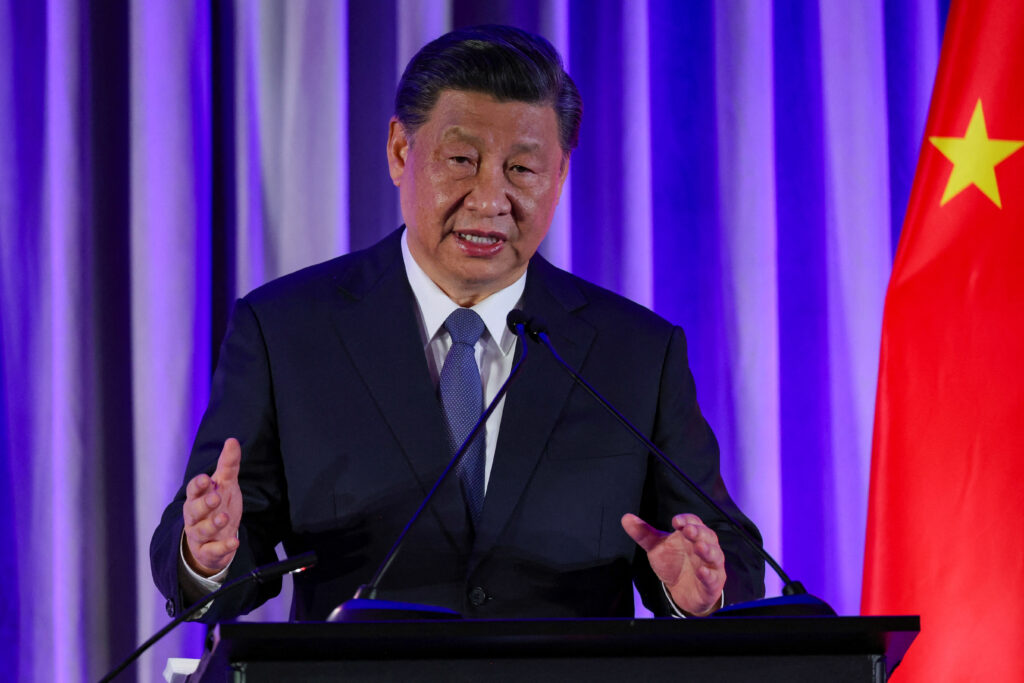
Military experts believe China could have the capability to attempt an invasion by 2027, though the massive logistical challenges make success far from guaranteed. Amphibious invasions are among the most difficult military operations, and Taiwan has been preparing its defenses for decades. The island’s geography, with mountainous terrain and limited beach landing zones, makes it naturally difficult to conquer.
Add in potential U.S. intervention with aircraft carriers, submarines, and air power, and the operation becomes extremely risky for China, even with its military modernization.
Taiwan’s Determination
Taiwan remains defiant despite the pressure. The democratic island of 24 million people shows no interest in living under Beijing’s authoritarian rule. Taiwan’s government has been strengthening defenses, extending military conscription, and building closer ties with democratic nations worldwide.
Public opinion in Taiwan has shifted dramatically over the past decade. Younger Taiwanese especially identify as Taiwanese, not Chinese, and overwhelming majorities oppose unification with the mainland under current conditions.
Conclusion
War isn’t inevitable, but the window for peaceful resolution appears to be narrowing with each passing month. Both sides are preparing for potential conflict: China is building invasion capabilities, Taiwan is fortifying defenses, and America is positioning forces.
One miscalculation, one accident, one moment of misread intentions could trigger a catastrophe that would reshape the world. The semiconductor factories in Taiwan that produce the chips running our phones, cars, and computers would be destroyed. Global trade would collapse. Millions of lives would be at risk.
The world is watching Taiwan more closely than ever, hoping diplomacy prevails but preparing for the possibility that it won’t.