
AI already decides which posts you see on social media, whether you get that job interview, and even if your loan application gets approved. Until now, these systems operated mostly in the shadows with little oversight. But 2026 marks a turning point. Major new regulations are taking effect worldwide, giving you rights over AI decisions that affect your life. Here’s everything you need to know about what’s changing and why it matters to you.
The European Union Takes the Lead
The European Union has positioned itself as the global leader in AI regulation with its comprehensive AI Act, which took full effect in early 2026. The legislation takes a risk-based approach, categorizing AI systems by their potential to cause harm.
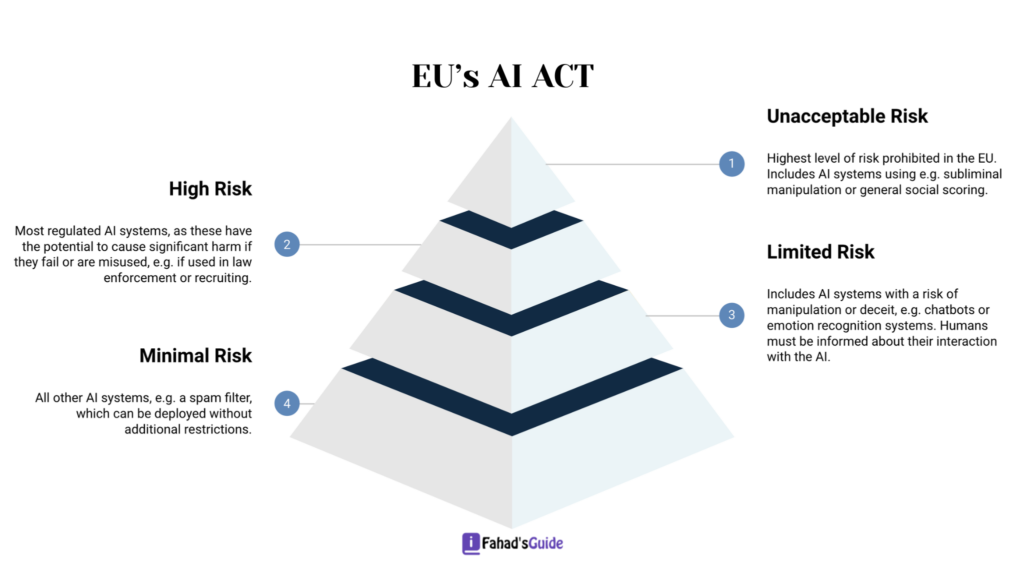
Certain AI applications are banned outright. Social scoring systems like those used in China, real-time biometric identification in public spaces (with limited exceptions), and AI that manipulates human behavior in harmful ways are all prohibited under the new law.
Companies violating the AI Act face massive fines up to 6% of global revenue for the most serious violations. That’s gotten the attention of tech giants who initially resisted regulation
America’s Fragmented Approach
The United States has taken a different path, with no comprehensive federal AI legislation yet passed. Instead, regulation is emerging through a patchwork of state laws, executive orders, and sector-specific rules.
President Trump’s administration has emphasized a lighter regulatory touch, arguing that too many rules will hand leadership in AI to China. However, individual states aren’t waiting. California, New York, and several others have passed their own AI regulations, creating a confusing landscape for companies operating nationwide.
China’s Dual Strategy
China is pursuing AI dominance through massive government investment while simultaneously imposing strict controls on how the technology can be used. The government has implemented regulations requiring AI algorithms to align with “socialist values” and prohibiting content that could undermine social stability.
Chinese companies developing generative AI must register with authorities and ensure their systems don’t produce content the government considers problematic. It’s a model that prioritizes state control over freedom of innovation, fundamentally different from Western approaches.
How This Affects Your Daily Life?
- Social Media: Platforms must now disclose when AI curates your feed and give you options to view content chronologically, rather than algorithm-driven recommendations that maximize engagement.
- Shopping: AI-powered product recommendations must explain why they’re showing you specific items, and you can opt out of personalized advertising based on AI profiling.
- Work: Employers using AI to screen resumes or monitor employee performance must inform you and provide ways to appeal decisions made by algorithms.
- Banking: Credit decisions made by AI require explanations you can understand, and you have the right to human review if denied.
- Healthcare: Medical AI must meet strict accuracy standards, and your health data gets stronger privacy protections against AI training without consent.
Your New Rights and Protections
- You now have the right to know when AI makes significant decisions affecting you, whether it’s a loan denial, job rejection, or content moderation. You can challenge these AI decisions and demand human review.
- Your personal data receives stronger protections companies must get clear consent before using it to train AI systems.
- Transparency requirements mean AI companies must explain how their systems work in understandable language, not technical jargon that hides what’s really happening with your information.
What Might Disappear or Change
Some AI services that can’t comply with new transparency and safety requirements may shut down or stop operating in certain regions. Features like unrestricted deepfake generators and manipulative recommendation algorithms will be banned or heavily restricted. Certain countries may lose access to cutting-edge AI tools if companies decide compliance costs aren’t worth serving smaller markets.
Conclusion
These regulations give you more control over AI in your life. Stay informed about your rights, use opt-out features when available, and demand transparency from companies using AI. The AI revolution continues, but now with guardrails protecting you.

I’m Shaheen, the writer behind every article on FahadsGuide. I research and write practical guides on budgeting smarter, setting up better living spaces, using AI tools effectively, and building daily habits that actually stick. Background in motivational content on YouTube.Every article is researched and written to be genuinely useful, not just readable.