The world has been watching Gaza closely for months now. After waves of violence, destruction, and heartbreaking loss of life, a ceasefire agreement was reached, but the question everyone’s asking is simple: will it actually hold?
If you’ve been following the news, you know this isn’t the first ceasefire we’ve seen. Past agreements have collapsed within days or weeks, usually because Israel continues military operations despite signing the agreement. So what makes this one different? And more importantly, why should people around the world care about what happens in this small strip of land thousands of miles away?
Let’s break down what’s actually happening right now:
What Led to This Ceasefire
The fighting that led to this ceasefire didn’t start overnight. Gaza has been under Israeli military blockade since 2007, nearly two decades of restrictions that control everything from what food enters to who can leave. Over two million Palestinians live in what many international observers call the world’s largest open-air prison.
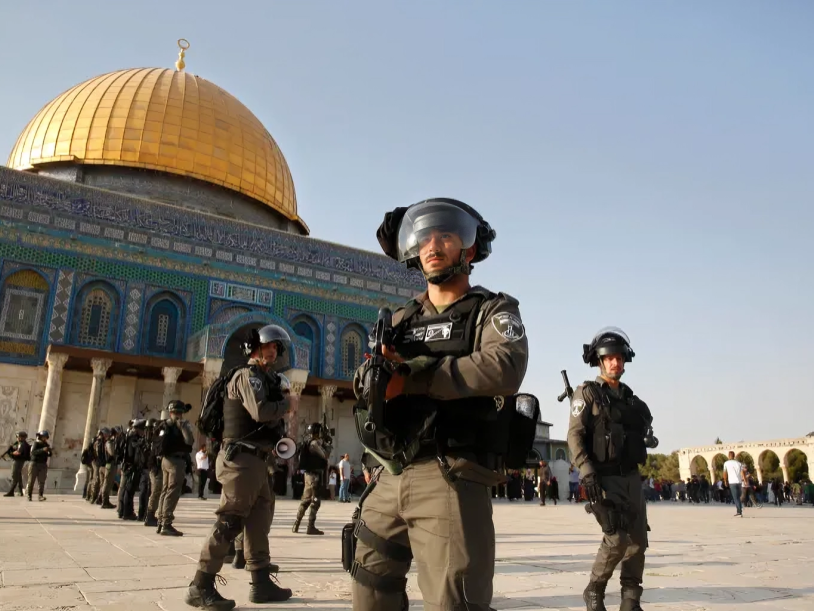
The immediate trigger this time involved Israeli forces raiding the Al-Aqsa Mosque during Ramadan, one of Islam’s holiest sites during the holiest month. When Palestinian worshippers tried to protect the mosque, Israeli police responded with stun grenades and rubber bullets. Videos of the violence spread quickly, igniting anger across Gaza and the West Bank.
Tensions escalated when Israeli settlers, protected by the military, forcibly evicted Palestinian families from their homes in East Jerusalem. These weren’t isolated incidents; they’re part of a systematic pattern of pushing Palestinians out of their land to make room for Israeli settlements, which are illegal under international law.
Palestinian resistance groups in Gaza responded by firing rockets toward Israeli cities. Israel then launched what it called a defensive operation, conducting massive airstrikes across Gaza. But here’s the thing: Gaza is one of the most densely populated places on Earth. When you drop bombs there, you’re going to hit civilians.
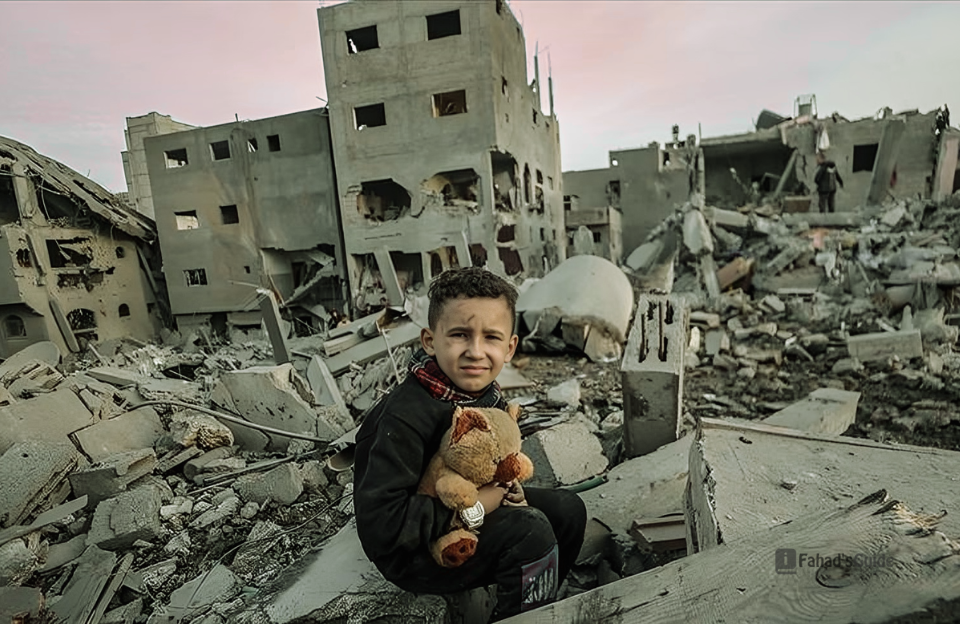
The numbers tell a grim story. Thousands of Palestinians were killed, the vast majority of them civilians, including hundreds of children. Entire apartment buildings were leveled, what Israel calls “destroying Hamas infrastructure,” but what actually means destroying family homes, schools, and medical clinics. On the Israeli side, there were deaths too, though far fewer due to the Iron Dome defense system and bomb shelters that Gazans don’t have.
After weeks of international pressure, including protests in cities worldwide demanding an end to the bombing, both sides agreed to a ceasefire. But as we’re seeing now, Israel signing an agreement doesn’t mean it will follow it.
The Terms of the Agreement
So what exactly did both sides agree to?
The ceasefire agreement includes several key points.
- First, both sides committed to an immediate halt to all military operations. That means no more airstrikes from Israel and no more rockets from Gaza. Sounds simple enough, right?
- Second, the agreement called for opening border crossings to allow humanitarian aid into Gaza. Food, medicine, building materials, and all the basic supplies that people desperately need to survive and rebuild. Gaza has been under blockade for so long that most residents have never known life without severe restrictions.
- Third, there were provisions for prisoner exchanges. Israel holds thousands of Palestinian prisoners, many detained without trial, including children. The agreement called for releasing some of them, while Palestinian groups would release Israeli hostages taken during the conflict.
- Fourth, Israel was supposed to pull back its forces from certain areas and stop raiding Palestinian communities. The agreement also addressed issues like allowing Gaza fishermen to work in their own waters without being shot at, and letting farmers access their land near the border fence.
- Finally, the agreement outlined a path toward longer-term negotiations to end the blockade completely and address the root causes of the conflict.
The Reality on the Ground: Ceasefire Violations
Here’s where things get frustrating. While the ceasefire officially exists on paper, Israel has continued violating it almost daily.
Israeli military drones still fly over Gaza constantly. These surveillance drones are loud, terrifying for children, and represent a clear violation of the agreement. But Israel continues the flights anyway, claiming security concerns that somehow override the ceasefire terms they signed.
Israeli forces have conducted multiple airstrikes since the ceasefire began. Each time, Israel claims they were targeting “militant positions” or responding to “security threats.” But international monitors and journalists on the ground report these strikes often hit civilian areas, and happen even when there’s been no rocket fire from Gaza.
Palestinian fishermen trying to make a living are still being shot at by Israeli naval forces when they go beyond the restricted zone that Israel imposes, a zone that’s inside Gaza’s own territorial waters. Farmers working land near the border fence face similar violence. These are people just trying to feed their families, and they’re being fired upon in direct violation of the ceasefire.
The border crossings remain mostly closed despite the agreement. Humanitarian aid trucks wait for days or weeks to enter. Israel maintains control over every item that enters Gaza, blocking construction materials they claim could be used for military purposes, but which are actually needed to rebuild homes, schools, and hospitals destroyed by Israeli bombs.
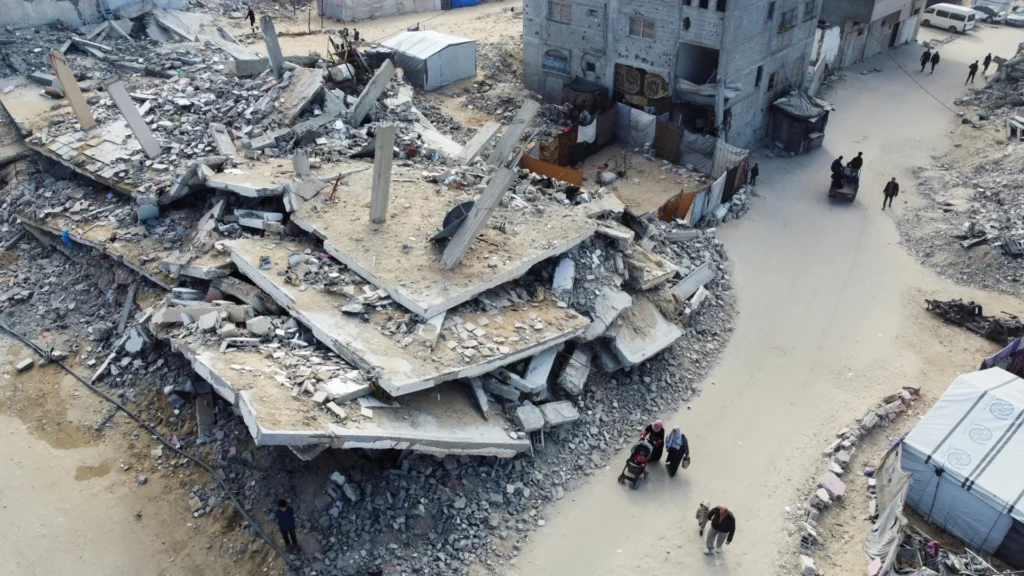
When building materials do enter, it’s in amounts so small that reconstruction will take decades at the current rate. Meanwhile, families continue living in damaged buildings or makeshift shelters because they have no other choice.
Settlement expansion has actually accelerated since the ceasefire. Israeli authorities have approved thousands of new settlement homes in the West Bank and East Jerusalem. While these areas are separate from Gaza, it shows Israel’s broader approach: sign agreements while continuing the same policies that caused the violence in the first place.
The humanitarian situation in Gaza is beyond desperate. The territory’s power plant was damaged in the airstrikes, leaving people with just a few hours of electricity per day. Hospitals can’t function properly. Food can’t be refrigerated. Sewage systems are failing, creating health crises.
Clean water is scarce. Most of Gaza’s water is contaminated and unsafe to drink, but the blockade prevents the import of proper filtration systems. Children are getting sick from drinking polluted water because their parents have no alternative.
Medical supplies are critically low. Doctors are performing surgeries without adequate anesthesia. Cancer patients can’t get chemotherapy. Diabetics struggle to find insulin. People with chronic conditions go untreated because the medicines they need can’t enter Gaza.
Why the World Should Pay Attention
You might be wondering why this matters to someone living far from the Middle East. Here’s why: what happens in Gaza reflects something larger about how the world works.
First, this is about international law and whether it means anything. The International Court of Justice, the United Nations, and human rights organizations worldwide have documented Israeli violations of international law, including the blockade, the settlements, and the treatment of civilians. When powerful countries violate international law without consequences, it weakens the entire system that’s supposed to prevent conflicts.
Second, Western countries, especially the United States, provide billions of dollars in military aid to Israel every year. American weapons are being used in these attacks. European governments provide diplomatic cover for Israeli actions. That means people in these countries are directly connected to what’s happening, whether they realize it or not.
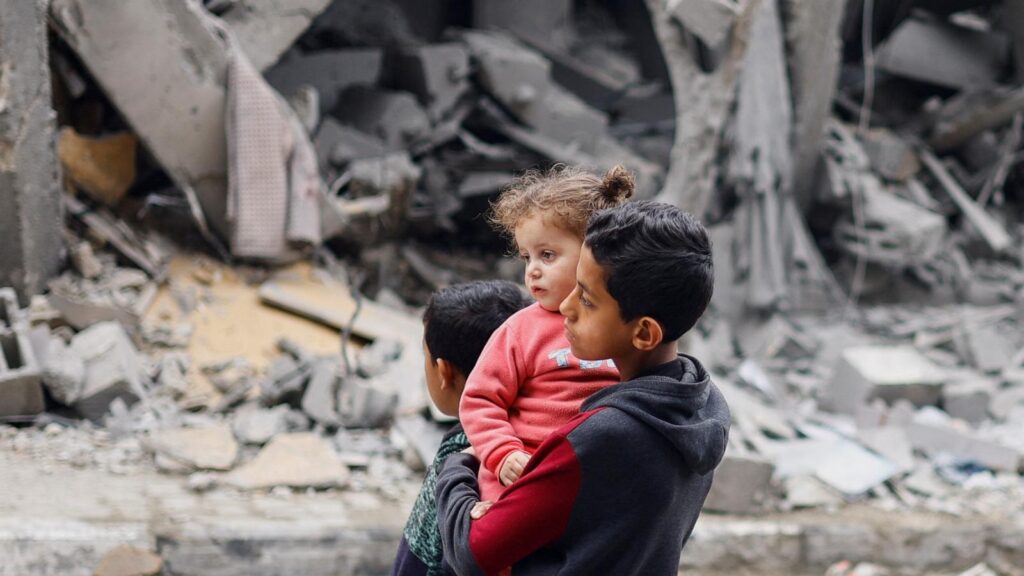
Finally, there’s simple human compassion. The people suffering in Gaza are regular people just like you and me. They want safe homes, good jobs, healthy kids, and peaceful lives. Palestinian children have the same dreams as children anywhere else, but they’re growing up in a nightmare of violence, poverty, and restrictions that control every aspect of their existence.
Conclusion
Palestinians in Gaza aren’t asking for special treatment. They’re asking for basic human rights: freedom of movement, control over their own borders, the ability to build an economy, access to clean water and medical care, and the dignity of living without constant military threat.
For the children in Gaza who’ve known nothing but blockade, bombing, and poverty, the current ceasefire, as it is, still represents a chance to imagine something different. Whether the world actually helps them achieve it, or continues enabling the policies that keep them trapped, will say everything about our collective values.